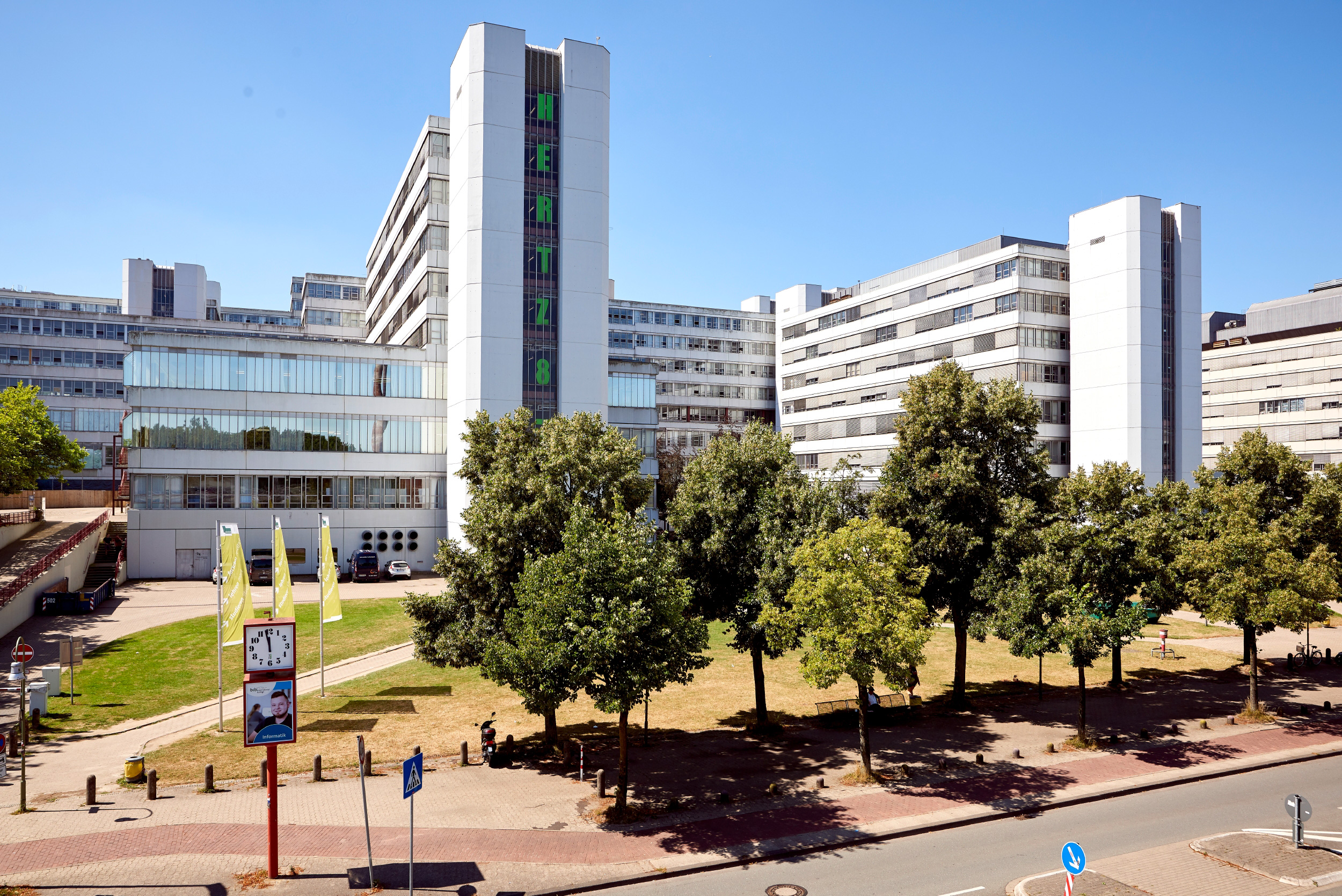
© Universität Bielefeld
Über unsere Forschung
Die AG Experimentelle Semantik und Pragmatik legt ihren Fokus auf die Bedeutungsinterpretation und untersucht mit experimentellen Methoden aus der Psycholinguistik, wie komplexe Bedeutung in Echtzeit in der Sprachverarbeitung entsteht. Wir untersuchen den inkrementellen Bedeutungsaufbau von der Satz- bis hin zur Diskursebene. Die untersuchten Phänomene reichen von der Ereignisinterpretation über die Interpretation von Quantoren bis hin zur Interpretation von Kausalität in der Sprache.
Fragestellungen hierbei sind:
- Besitzen Modelle aus der formalen Semantik und Pragmatik kognitive Realität?
- Wie können wir sie in ein Verarbeitungsmodell integrieren?
- Und wie können wir die Entstehung von Erwartungen erklären, wie sich ein Text oder Dialog weiter entwickeln wird?
Zur Untersuchung dieser Fragestellungen verwenden wir eine breite Palette an Methoden von Interpretations- und Produktionsaufgaben über behaviorale Methoden mit Reaktionszeitmessungen bis hin zur Messungen von Blickbewegungen beim Lesen oder Betrachten von Szenen während der sprachlichen Interpretation.
Die AG ist assoziiert mit den Departments für Linguistik sowie für Deutsch als Zweit- und Fremdsprache/Mehrsprachigkeit.
Forschungsprojekte
- Zeitverlauf der Verarbeitung von Präsuppositionen (Bott u.a.)
Dieses Projekt, Teilprojekt B2 des SFB 833 "Bedeutungskonstitution" an der Universität Tübingen, beschäftigt sich mit der Frage, welche Rolle Präsuppositionen in der Sprachverarbeitung spielen. Aufbauend auf früheren Resultaten formulieren wir ein Modell, demzufolge Hörer pragmatisch wohlgeformte Äußerungen eines Sprechers erwarten. Diese Erwartungen werden in der Verarbeitung zu Vorhersagen benutzt und inkrementell abgeglichen.
Oliver Bott war Ko-Projektleiter von B2. Weitere Informationen finden Sie hier.