Inklusive Erklärbare KI

Inklusive Erklärbare KI
Methoden der künstlichen Intelligenz (KI) und des maschinellen Lernens stützen sich zunehmend auf komplexe Black-Box-Modelle, die vor allem für normale Nutzer*innen nicht leicht zu verstehen sind. Das Ziel der Forschung zu erklärbarer KI (XAI) ist es, die Transparenz und Verständlichkeit der von KI-Systemen getroffenen Entscheidungen zu verbessern. Typischerweise werden Erklärungen bei den aktuellen State-of-the-Art XAI-Methoden jedoch als statische, einseitige Interaktion ohne Berücksichtigung des Verständnisses des Erklärungspartners/der Erklärungspartnerin behandelt. Das Ziel des Transregio-Sonderforschungsbereichs "Constructing Explainability" (TRR 318) ist es, dies zu ändern, indem Erklärungen in einem sozialen Kontext betrachtet werden, zusammen mit menschlichen Erklärungsempfänger*innen und maschinellen Erklärenden konstruiert werden.
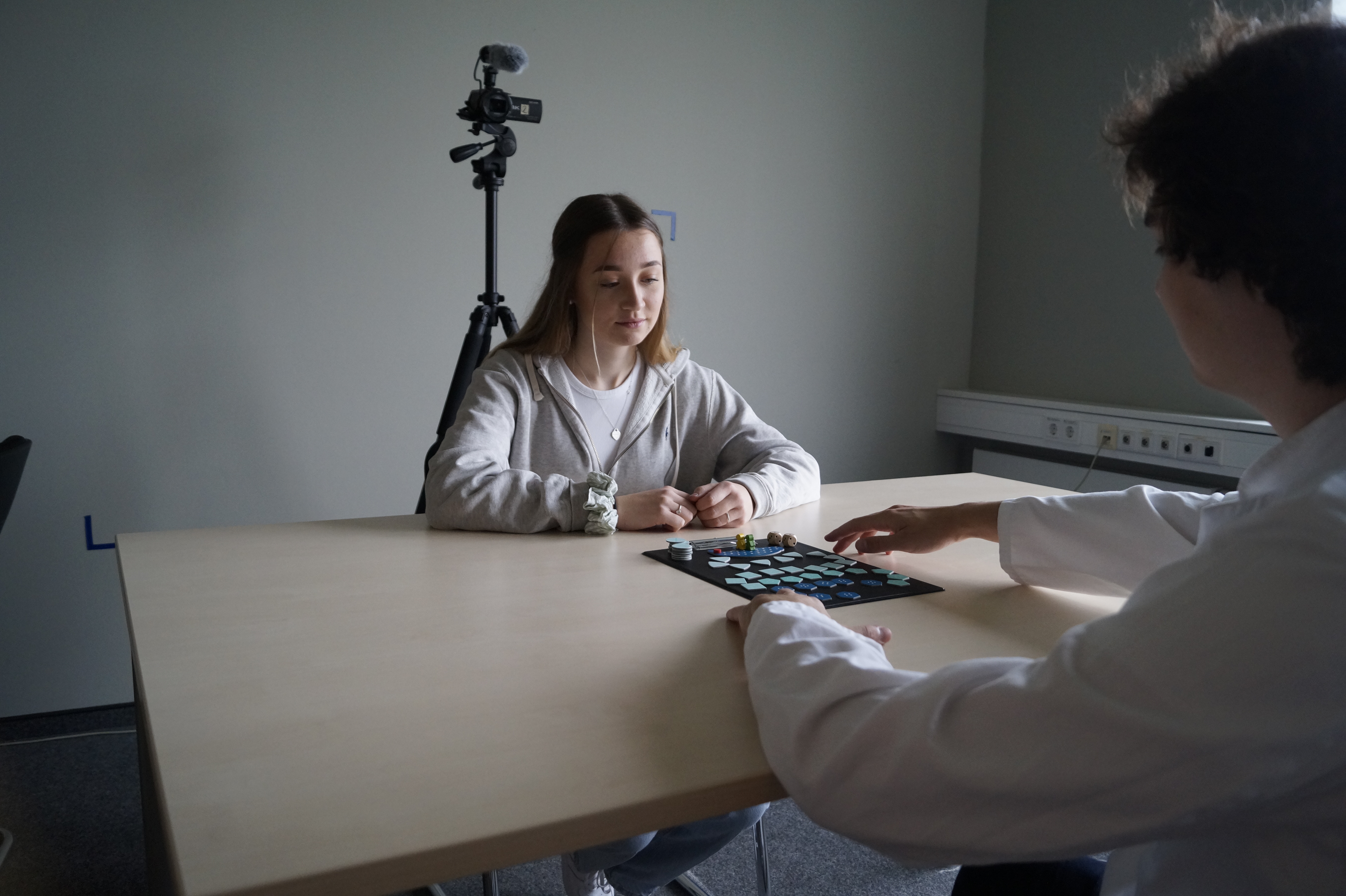
Unser Unterprojekt Erklärungen des multimodalen Ausdrucks von Stress in klinischen Erklärungen (Projekt A06) zielt darauf ab, klinische Erklärungen von Stress zu verbessern, indem es Signale von Stress während einem Erklärprozess untersucht und verschiedene Erklärstrategien und KI-Unterstützungen vergleicht.
In einem ko-konstruktiven Erklärungsprozess sollten Erklärende das Verständnis von Erklärungsempfänger*innen aufzeichnen und analysieren, um die Erklärung an jeweiligen aktuellen Kenntnisstand anzupassen. Diese Signale des Verstehens werden allerdings von Stress beeinflusst, weswegen das Erkennen von Stress kritisch ist, um Signale des Verstehens präzise zu interpretieren. Dies ist besonders wichtig für klinisches Personal, da diese oft Erklärungen an gestresste Personen geben müssen und Missinterpretationen von Verständnis negative Folgen haben kann. Um Techniken zu entwickeln, die klinisches Personal schulen, Stressanzeichen in Erklärsituationen zu erkennen, untersuchen wir zuerst wie Personen in einer Erklärsituation Stress ausdrücken. Dann vergleichen wir sowohl traditionelle als auch KI-gestützte Techniken, um diese Anzeichen zu erklären.
Wir bedanken uns für die Förderung durch die Deutsche Forschungsgemeinschaft (DFG): TRR 318/3 2026 – 438445824