Gender history 2026
Congress | Bielefeld University | 9-11.09.2026

Frauen- und Geschlechtergeschichte in Zeiten der Anfechtung von Demokratie, Diversität und Verantwortung
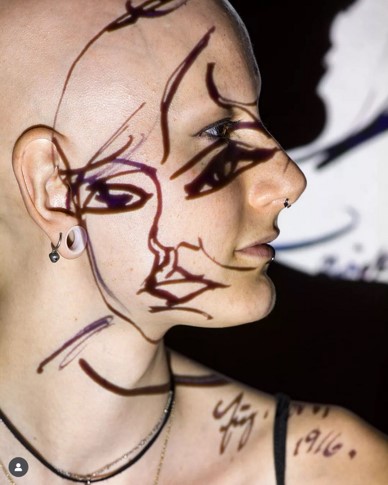
Kongress 2026
Ort und Zeit: Universität Bielefeld, 9. bis 11. September 2026
Was geschieht in der Frauen- und Geschlechtergeschichte in diesen politisch herausfordernden Zeiten? Welche Themen und Fragen verdienen unsere Aufmerksamkeit, welche Ansätze und Perspektiven erscheinen besonders fruchtbar? Und wohin geht die Reise? Diese Fragen stehen im Mittelpunkt des Kongresses, der im September 2026 in Bielefeld stattfinden wird. Let's talk.


Programm
Mittwoch, 9.9.2026 ab 18:30 Uhr Kongresseröffnung
Hörsaal: H4 Universitätshauptgebäude
Begrüßung: Dr. Christina Benninghaus, Dr. Jana Hoffmann, Dr. Anna Horstmann
Grußworte:
Prof. Dr. Angelika Epple, Rektorin der Universität Bielefeld
Prof. Dr. Antje Flüchter, Vorsitzende des Verbandes der Historiker und Historikerinnen Deutschlands
Prof. Dr. Diana Lengersdorf, Sprecherin des Inderdisziplinären Zentrums für Geschlechterforschung (IZG)
Podiumsdiskussion: "Women's and gender history in times of challenges to democracy, diversity and responsibility"
Dr. Anna Dobrowolska (Basel), Prof. Dr. Kirsten Heinsohn (Hamburg), Prof. Dr. Martina Kessel (Bielefeld) und Prof. Dr. Katie Sutton (Canberra)
Verleihung des diesjährigen Dissertationspreises des Arbeitskreises historische Frauen- und Geschlechterforschung (AKHFG) durch die Vorsitzende Prof. Dr. Christine Krüger (Bonn) an Dr. Maria Bühner (Leipzig) für ihre Dissertation "Subjektivierung frauenbegehrender und lesbischer Frauen in Ostdeutschland (1945–1995)".
Laudatio: PD Dr. Claudia Kemper (Münster)
Anschließend: Empfang
Donnerstag, 10.09.2026, 17-18:30 Uhr: World-Café zu Begriffen, Konzepten und aktuellen Fragen der Frauen- und Geschlechtergeschichte
- Marthe Becker (Bielefeld): Geschlecht und Alte Geschichte
Moderation: Anna Kötter & Jannis Sgorzaly
Raum: X-E0-230
Geschlecht ist in der Alten Geschichte längst als zentrale Analysekategorie etabliert und durch intersektionale Ansätze entscheidend ausdifferenziert worden. Antike Texte verhandeln nicht nur normative Ordnungen und sanktionieren abweichendes Verhalten, sondern in ihnen wird Geschlecht als relationale und performative Kategorie verargumentiert, die je nach Kontext stabilisiert, instrumentalisiert oder unterlaufen werden kann. Dies zeigt sich etwa an den distinktiven Körperpraktiken römischer Senatoren, die ihre Männlichkeiten in bewusster Abgrenzung voneinander inszenieren (Meister 2012), oder wie an spätantiken Asket*innen, die ihr körperlich codiertes Geschlecht zu transzendieren suchten (Taylor 2001). Vor diesem Hintergrund benennen Jan Meister und Seraina Ruprecht in „Weiblichkeit – Macht – Männlichkeit“ drei zentrale Felder geschlechtergeschichtlicher Forschung in der Alten Geschichte: 1. die Wirkmacht der Antike für moderne Geschlechterverhältnisse, 2. Intersektionalität von Geschlecht und Status in Bezug auf weibliche Agency und 3. die Konstruktion(en) von Männlichkeit(en) und ihr Verhältnis zu Macht (Meister/Ruprecht 2023, S. 26). Diese Aspekte sollen den Rahmen für die Diskussion über die produktive Verbindung von Geschlechtergeschichte und Althistorie bilden.
Biographische Notiz:
Marthe Becker war von 2021 bis 2026 wissenschaftliche Mitarbeiterin an der Universität Bielefeld; im SFB 1288: Praktiken des Vergleichens entstand ihre Dissertation zu Ethnographie und Kirchengeschichte. Seit Juli 2026 arbeitet sie an der Eberhard-Karls-Universität Tübingen und untersucht dort Verschuldung zwischen hellenistischer und römischer Welt.
- Christina Benninghaus (Bielefeld): Room for critical fabulation? Writing Gender History (engl.)
Moderation: Liva Clausen & Otto Hannover
Raum: X-E0-228
Archives are not neutral. They mirror the power, the economic resources and the priorities and aims of those individuals and institutions compiling and keeping them. They continue to shape the source materials and the knowledge available to historians. Digitalisation helps. It makes the creation and storage of counter archives much easier and allows searching through vernacular materials hitherto almost impossible to navigate. But whatever strategies we employ, the histories of those who were displaced, poor and powerless and those who did well to hide, are almost impossible to reconstruct. Reduced to a name or even to a number – two slave girls sold at such and such price – their experiences and emotions, their culture, their struggles, relationships and world views often escape our attempts at reconstruction, even if we try very hard to read “against the grain”. The literary scholar Saidiya Hartman experiments with what she calls “critical fabulation” to write the history of slavery and its aftermath. She endeavours to simultaneously mark the vast gaps in our historical knowledge and imaginatively fill in some of them. Historians might find such attempts at “speculative narration” not only irritating but outright dangerous. Can they ever be justified?
Biographische Notiz:
Christina Benninghaus ist wissenschaftliche Mitarbeiterin am Interdisziplinären Zentrum für Geschlechterforschung (IZG) an der Universität Bielefeld. Sie arbeitet zu Geschlechtergeschichte des 19. und 20. Jahrhunderts. Arbeitsschwerpunkte: Geschichte der Reproduktion, Visual History, Ansätze, Begriffe und Methoden der Geschlechtergeschichte
- Sebastian Bischoff (Bielefeld), Moritz Y. Meier (Bielefeld), Andreas Neumann (Jena), Lisa Oelmayer (Jena), Aurelia Rohrmann: Die universitäre Zukunft der Geschlechtergeschichte
Raum: X-E0-226
Nach einigen Kurzinputs zum titelgebenden Thema steht der Austausch mit denen, die an den Tisch kommen, im Zentrum: Welche Lageeinschätzung wird geteilt, wo gibt es differente Entwicklungen im deutschsprachigen Raum, wo steht die universitär verankerte Geschlechtergeschichte aktuell unter besonderem Druck? Was können wir aus vergangenen Initiativen für den Erhalt von geschlechtergeschichtlichen Professurdenominationen lernen – etwa aus dem Protest und der Hörsaalbesetzung an der FSU Jena – und wie lassen sich diese Interventionen mit den aktuellen verbinden? Gemeinsam mit den Teilnehmenden wollen wir darüber ins Gespräch kommen.
Biographische Notiz:
Sebastian Bischoff ist Post-Doc am Arbeitsbereich Zeitgeschichte der Universität Bielefeld und leitet dort das DFG-Forschungsprojekt „Die bundesdeutsche Rechte und die 'sexuelle Revolution'“. Studium der Neueren Geschichte, der Soziologie und Philosophie in Heidelberg, an HU und FU Berlin, Promotion an der Universität Paderborn mit „Kriegsziel Belgien. Annexionsdebatten und nationale Feindbilder in der deutschen Öffentlichkeit, 1914-1918“. https://orcid.org/0000-0002-7897-8442, sebastian.bischoff@uni-bielefeld.de
Moritz Y. Meier promoviert am Arbeitsbereich Zeitgeschichte der Universität Bielefeld und ist wissenschaftlicher Koordinator des Bielefelder Kollegs für Zeitgeschichte (in Gründung). Seine Forschung konzentriert sich auf die NS-Gesellschaftsgeschichte, die Historiographiegeschichte und Geschichtstheorie, die Kritik des Antisemitismus sowie auf die Kritische Theorie. Er studierte Geschichts-, Sozial- und Bildungswissenschaften an den Universitäten in Bielefeld und Groningen. https://orcid.org/0009-0001-2857-583, moritz.meier@uni-bielefeld.de
Andreas Neumann ist Post-Doc am Forschungszentrum für Religion und Bildung der Universität Jena und forscht dort in einem DFG-Projekt zu Konzepten einer evangelischen Pädagogik in der Weimarer Republik. Nach seiner Doktorarbeit über die Zulassung von Frauen zu höherer Bildung im Deutschen Reich („Gelehrsamkeit und Geschlecht“) untersuchte er den politischen Kontext akademischer Ehrungen an der Universität Jena im 20. Jahrhundert und erarbeitete anschließend am Lehrstuhl für Geschlechtergeschichte eine Studie zum Verhältnis von Männlichkeit und protestantischer Religiosität. https://orcid.org/0000-0002-7938-5294, andreas.neumann@uni-jena.de
Lisa Oelmayer ist Promotionsstipendiatin der Rosa-Luxemburg-Stiftung und war wissenschaftliche Mitarbeiterin am Lehrstuhl für Geschlechtergeschichte an der Uni Jena. Sie forscht zur Emotions- und Geschlechtergeschichte der frühen DDR. Außerdem ist sie Mitglied in der Promivierenden- und Studierendensektion des AKHFGS. Sie studierte in Tübingen, Aix-en-Provence und Jena Geschichte und Philosophie.https://orcid.org/ 0009-0008-9512-6066, lisa-marie.oelmayer@uni-jena.de
Aurelia Rohrmann ist Doktorandin in Zeitgeschichte (Universität Freiburg CH, Humboldt-Universität zu Berlin) und forscht in ihrem Projekt über Antifeminismus der radikalen Rechten, deren transnationale Netzwerke, Praktiken und Diskurse in Deutschland und der Schweiz von 1970 bis 1990. Nach einem Bachelor an der Universität Basel studierte sie im Master „Geschichte und Politik des 20. Jahrhunderts“ an der Universität Jena. https://orcid.org/0009-0000-8784-8650, aurelia.rohrmann@unifr.ch
- Kai* Brust (Berlin): Trans-Geschichte
Moderation: Svenja Castrup & Felix Wehebrink
Raum: X-E0-220
Trans-Geschichte gewinnt in den letzten Jahren an Relevanz, sowohl im öffentlichen Diskurs als auch in der geschichtswissenschaftlichen Forschung. Beispiele hierfür sind aktuelle ZDF-Dokumentationen, Stolpersteindiskurse und der Vorstoß in geschichtswissenschaftliche Mainstream-Publikationen, wie „Geschichte und Gesellschaft“.
Trans-Geschichte kann zur Hinterfragung gängiger geschichtswissenschaftlicher Chronologien beitragen und wirft typische Fragen der Geschichtswissenschaft auf: Welche Begriffe verwenden wir für und wie schreiben und sprechen wir über historische (geschlechtlich-nonkonforme) Subjekte? Es stellen sich ethische Fragen nach Gendering und Naming, sowie zur Dekonstruktion cis-normativer Machtstrukturen in historischen Quellen und in geschichtswissenschaftlichen Narrativen und Diskursen. Solche Fragen unterstreichen die Notwendigkeit geschlechtersensibler Methoden für die Trans-Geschichte.
Mit dem Ziel der Sichtbarmachung von geschlechtlich-nonkonformen Leben aus der Vergangenheit, beschäftigt sich Kai* Brust mit diesen Fragen. Dabei schöpft dey aus Arbeitserfahrungen mit hunderten Akten und anderen Quellen aus dem deutschsprachigen Raum des 20. Jahrhunderts.
Biographische Notiz:
Kai* Brust promoviert am Friedrich-Meinecke-Institut (FU Berlin) im Projekt „LGBTIQ* Movements as Agents of Democratization“ zu Trans-Aktivismus und -Bewegungen in der BRD. Dey besitzt einen Bachelor in Geschichte und Politikwissenschaft und einen Master in Interdisziplinärer Antisemitismusforschung. Zuvor arbeitete dey als freiberufliche*r Historiker*in in verschiedenen Bildungs- und Ausstellungsprojekten zu Queerer und Trans-Geschichte.
- Sonja Dolinsek (Magdeburg): Global Gender History (engl.)
Moderation: Lisa Hellriegel & Emma Teworte
Raum: X-E0-224
Global gender history remains underdeveloped within historical scholarship in the German-speaking world. While research on colonial and imperial entanglements, the circulation of knowledge, migration, international organizations, and transnational movements has demonstrated the analytical benefits of linking gender and global history, this connection is still underdeveloped in both directions. Global history in Germany has only selectively engaged with the concepts and methods of gender history, while gender historians have only partially explored the role of global processes in producing and transforming gender relations. During the discussion, participants will reflect on the contribution of existing scholarship and pinpoint themes, actors, regions, and historical periods that have not been sufficiently explored. They will also consider how closer engagement with other subfields might advance this work. The discussion will evaluate the current state of research and identify new questions arising from the integration of gender into global history and global perspectives into gender history.
- Jane Freeland (London): Feminism in Contemporary Gender History (engl.)
Moderation: Nike Harmening & Laura Schäfer
Raum: X-E0-216
Feminism has long played a central role in histories of gender. Indeed, feminist politics and methods lie at the heart of the histories of women and gender with their goal of addressing gender imbalances and hierarchies within academia and in history writing. At a time when feminisms are increasingly under attack, from without and within, this panel argues that feminist methods are more important than ever. But it also poses challenges. What is feminism(s) and what are feminist methods? And how do we employ them at a time of both backlash and mainstreaming?
And what of feminism as historical subject? An ambivalent term, feminism emerged in the late 18th century, but has evolved and pluralised since then. How can we use it as an analytical lens in the past? And how do we tell histories of feminism that are attentive to the embeddedness of some strands of feminism in hierarchies of class, race, gender and ability? This question is rendered more complex for writing contemporary histories of feminisms, when activists are still alive and often still politically active.
Lastly, this panel explores what can be gained from a deeper engagement with feminism in contemporary gender history. What can it reveal about ongoing inequalities within the discipline, and how can it illuminate ways forward for a more gender just world?
Biographische Notiz:
Jane Freeland is a Lecturer in Modern History at Queen Mary University of London. Her research focuses on the history of gender and feminism in modern Germany. Her book, Feminist Transformations and Domestic Violence Activism in Divided Berlin, 1968-2002, was published with OUP in 2022. She is currently developing a new project on reproductive care in Europe from the 1970s to the present.
- Benno Gammerl (Florenz): Methods of Queer Research (engl.)
Moderation: Svenja Schillings & Melvin Wilde
Raum: X-E0-214
My research focuses on queer history, trying to strengthen intersectional perspectives. I am particularly interested in intimate and emotional aspects. To trace these, I use oral history methods and engage in participatory research that allows activists and other stakeholders to join the knowledge production endeavour. I would very much like to discuss what methodological approaches lend themselves to explore queer topics. What are their respective potentials and challenges?
While addressing these questions participants are welcome to share insights from their own research practice. I currently explore how people in pluricultural intimate relationships dealt with the potential differences between them that resulted from their having been socialised within different sexual regimes. How were cultural differences navigated on an everyday level in 20th century Germany? How were different ‘sexual cultures’ discussed in the media and by organisations of “bicultural couples and families”? I also want to learn more about how mobilities shaped change in the spheres of sex, marriage and family.
I look forward to talk with you about these and other topics and to discuss various ideas about how one can do research on intersectional topics in a participatory manner.
Biographische Notiz:
Benno Gammerl is professor of history of gender and sexuality at the EUI in Florence. Intersectionality and difference, exclusion and participation are at the heart of his research into European history from the 19th to the 21st century. Queerness in Germany, mobility and intimacy, the Habsburg Empire and the British Empire, oral history and the history of emotions are among the topics Gammerl explores. Most recently, he co-co-edited the Handbuch queere Zeitgeschichten.
- Levke Harders (Innsbruck): Migration & Gender (Discussion in English or/and German)
Moderation: Sarah Manegold & Lola Wienberg
Raum: X-E0-212
What does migration research have to do with women’s and gender history? And why? At the World Café, we will explore key concepts in migration research that draw on approaches from gender history. The starting point is gender as a category of analysis: How did gendered life courses shape mobility and (non-)belonging? The discussion will also focus on applying intersectionality—a concept of Black feminist theory—to (European) migration historiog-raphy, that is, examining the interconnections between gender, class, race, sexuality, age, and religion. Drawing on critical migration studies, the workshop will focus on the agency of migrants while also making border and migration regimes productive frameworks for histor-ical scholarship. The World Café will also address practical questions regarding sources and methods (including first-person accounts, queer and non-binary perspectives, and gaps in visibility). People at all career stages are invited—please bring your questions and a willing-ness to collaboratively refine our conceptual framework.
Was hat Migrationsforschung mit Frauen- und Geschlechtergeschichte zu tun? Und warum? Beim World Café werden zentrale Konzepte einer Migrationsforschung beleuchtet, die mit Ansätzen der Geschlechtergeschichte arbeitet. Ausgangspunkt ist Geschlecht als Analyseka-tegorie: Wie strukturier(t)en vergeschlechtlichte Lebensverläufe Mobilität und (Nicht-)Zugehörigkeit? Dabei geht es auch darum, Intersektionalität als Ansatz aus dem Black Fe-minism für die (europäische) Migrationsgeschichtsschreibung nutzbar zu machen, also die Verflechtungen von Geschlecht, Klasse, race, Sexualität, Alter und Religion zu untersuchen. Aus der kritischen Migrationsforschung werden sowohl die Agency von Migrant*innen in den Mittelpunkt gerückt als auch Grenz- und Migrationsregime als Ansätze für die Ge-schichtswissenschaften produktiv gemacht. Das World Café thematisiert auch praxisnah Quellen- und Methodenfragen (u. a. Ego-Dokumente, queere und nicht-binäre Perspekti-ven, Sichtbarkeitslücken). Eingeladen sind Menschen aller Karrierestufen – mitzubringen sind Fragen und Lust am gemeinsamen Schärfen von Begriffen.
Biographische Notiz:
Levke Harders Levke Harders is a professor of gender history at the University of Innsbruck in Austria. Her research and teaching focus on gender, migration, the history of higher edu-cation, gender theory, and the theory of biography. She studied German literature, history and gender studies. In 2011, she received the doctoral degree for her dissertation on Ameri-can Studies. Levke Harders is blogging about migration, gender history, and other fields of research in her weblog ‘Migration and Belonging’ (https://belonging.hypotheses.org). For more information and publications see: https://orcid.org/0000-0002-5004-6686.
- Anne Kwaschik (Konstanz): Approaching Gender History through Knowledge (Discussion in English or/and German)
Moderation: Josephine Herrmann & Nathalie Hermelingmeier
Raum: X-E0-210
From “Free Science from Ideology – End the Funding of Gender Research” to “Gender Ideology – Avert Dangers to Education, Science and Culture,” AfD motions in the Bundestag deny gender research scientific legitimacy and label it ideology. Starting from these attacks, we ask: Why is knowledge about women and gender so threatening, and what does its history reveal? Knowledge has been central to women’s and gender history from the start. From the nineteenth-century “woman question” through women’s movements to the institutionalisation of women’s and gender studies, struggles over gender have concerned who produces knowledge, what counts as evidence and who defines social reality. Gender history has thus always been a history of knowledge. A history-of-knowledge approach makes this relationship explicit and reflexive: it traces how feminist knowledge is produced, institutionalised and contested, while scrutinising its own assumptions. What does this perspective add? What can this history teach us about attacks on its scientific status? How can the field respond without retreating into a defensive narrative?
Discussion in English or/and German.
Biographische Notiz:
Anne Kwaschik is Professor of Modern and Contemporary History at the University of Konstanz. Her research lies at the intersection of the history of knowledge, gender history and intellectual history, with a focus on Western Europe in global perspective. She works on feminist knowledge, colonial sciences, the first socialisms from the nineteenth to the twenty-first century.
- Kristin Skottki (Bayreuth): Mediävistische Intersektionalitätsforschung
Moderation: Michelle Fichtner & Anna-Lea Krampe
Raum: X-E0-208
Intersektionalität hat sich in der Genderforschung längst etabliert – doch die Mediävistik bleibt in dieser Debatte randständig, obwohl gerade das Mittelalter entscheidende Einsichten bereithält. Gender, race und class sind als Differenzkategorien menschlicher Vergesellschaftung keine modernen Erfindungen, sondern prägten bereits die sozialen Verhältnisse in Antike und Mittelalter. Entscheidend ist, wie sie im jeweiligen historischen Kontext unterschiedlich gefüllt, aufgeladen und miteinander verschränkt wurden. Mein zentrales Beispiel ist die Rassifizierung jüdischer Alterität im Spätmittelalter: ein historischer Wendepunkt, an dem sich religiöse und soziale Zuschreibungen zunehmend mit einer biologistisch begründeten Differenzkategorie race verschränkten. Daran zeigt sich meines Erachtens, dass nicht die Differenzkategorien selbst variabel sind, sondern ihre historisch je spezifische Verschränkung und Bedeutungsaufladung. Diskutieren möchte ich, wie sich diese Variabilität methodisch kontrolliert rekonstruieren lässt und welche Konsequenzen dies für gegenwartsbezogene Intersektionalitätsforschung haben könnte.
Biographische Notiz:
Kristin Skottki ist Professorin für Mittelalterliche Geschichte an der Universität Bayreuth. Ihr aktuelles Hauptforschungsprojekt untersucht die Geschichte und Erinnerung an einen angeblichen jüdischen Hostienfrevel in der mecklenburgischen Kleinstadt Sternberg im Jahre 1492. Intersektionale, globalgeschichtliche und historiographiegeschichtliche Perspektiven prägen ihre Arbeit.
- Katie Sutton (Canberra): History of Sexualities (engl.)
Moderation: Enno Holloch & Maximilian Wulff
Raum: X-E0-206
In what ways does gender history intersect with the history of sexuality, and how should we tease these categories apart? To what extent is this field still thoroughly tied up with the power dynamics of modern western institutions of law, medicine, and psychiatry, and how is new scholarship moving us beyond these frameworks? At the World Café, participants of all career stages are warmly welcome to bring topics and questions from their current research and steer our collective discussion. We will reflect on whose stories have been told and not told, and how sex and gender always intersect with experiences shaped by race, class, ability, and other factors. We will consider questions such as how to think about shifting sex-gender norms and identities at different periods; working with different source types; and how to approach histories of sexuality not just through frameworks of oppression, but in more positive ways. If there is time, we will also workshop some recent Black feminist, trans and/or neuroqueer theory for ways of approaching our sources with a gaze of ethical attention and care.
Biographische Notiz:
Katie Sutton (she/they) is Associate Professor of German and Gender Studies at the Australian National University, working in queer and trans German studies, the history of sexuality and medical humanities. Books include Sexuality in Modern German History (Bloomsbury, 2023) and Sex between Body and Mind: Psychoanalysis and Sexology in the German-Speaking World, 1890s–1930s (Michigan, 2019).
- Xenia von Tippelskirch (Frankfurt a.M.): Ungleichheit in der Frühen Neuzeit
- Johanna Wolf (Frankfurt a.M.): Arbeit, Wirtschaft, Geschlecht
Moderation: Sara Gojowczyk & Amelie Winter
Raum: X-E0-213
Frauen und queere Menschen sind in der Arbeits- und Unternehmensgeschichte noch immer deutlich unterbelichtet. Ihre Aktivitäten in diesen männlich dominierten Feldern werden historisch wie historiografisch marginalisiert und erscheinen eher randständig oder als Ausnahmefall. Statt ihre Rolle als Gewerkschafter*innen, Unternehmer*innen und Arbeiter*innen ernst zu nehmen, dient der weiße männliche Industriearbeiter oder Unternehmer weiterhin als Maßstab, an dem andere Gruppen gemessen werden. Im Zentrum stehen Gender Gaps zu Männern oder die Frage, ob Frauen und queere Menschen „streiken wie Männer“, nicht aber ihre eigenen Konfliktformen, Themen und Strategien. Eine geschlechtergeschichtliche Forschung zu Arbeit muss diesen Maßstab kritisch hinterfragen und Frauen sowie queere Menschen als konstitutiv für Arbeits-, Gewerkschafts- und Unternehmensgeschichte begreifen. Sie sollte Bewertungsregime von Arbeit – also die Frage, was als wertvolle oder produktive Arbeit gilt – historisch und geschlechterkritisch analysieren und dies nicht nur im nationalen, sondern explizit auch im transnationalen und internationalen Rahmen. Als Anregung dient dabei Alison E. Woodwards Konzept der „velvet triangles“, das zeigt, wie Frauen Netzwerke über ihr unmittelbares Betätigungsfeld hinaus knüpfen und für politische Interventionen nutzbar machen – eine Perspektive, die die Forschung bereichern kann. Dem sowie weiteren feministischen Ansätzen wollen wir in der Diskussion im World Café nachgehen.
Biographische Notiz:
Dr. Johanna Wolf ist Historikerin am Max-Planck-Institut für Rechtsgeschichte und Rechtstheorie in Frankfurt am Main mit Schwerpunkt auf Arbeits- und Geschlechtergeschichte. Sie untersucht die Rolle von Frauen in internationalen Gewerkschaften, etwa zu Equal-Pay-Debatten im Weltgewerkschaftsbund und zur Gründung des Frauenkomitees im Europäischen Gewerkschaftsbund, und ist Mitherausgeberin des Bandes Gender Pay Gap: Vom Wert und Unwert von Arbeit in Geschichte und Gegenwart (2023).
- Heidrun Zettelbauer (Graz): Frauen*geschichte als unerledigte Aufgabe? Kultur- und geschlechtertheoretische Positionen
Moderation: Theo Flint & Franziska Ludewig
Raum: X-E0-218
Die Hinwendung zu Geschlechtergeschichte, Queer History oder postkolonialer Theoriebildung hebt die Marginalisierung von Frauen* als Akteurinnen* der Geschichte nicht automatisch auf. Auch wenn sich der Fokus von einem Verständnis von Frauen als homogener Gruppe hin zu relationalen, diskursiven und intersektionalen Analysen verschoben hat, werden Akteurinnen* in vielen historischen (Überblicks-)Studien und Lehrbüchern weiterhin als randständig oder „Sonderkapitel“ abgehandelt. Als Kultur- und Geschlechterhistorikerin lese ich den Begriff Frau als Kategorie der Zuschreibung, Wahrnehmung und Positionalität. Ausgehend von Joan W. Scotts Kritik, wonach Geschlecht kein Ersatzbegriff für „Frau“ ist, stellt sich die Frage, warum diese Einsicht Frauen*geschichte nicht überflüssig macht, sondern gerade ihre Notwendigkeit unterstreicht. Statt einer nachträglichen Einpassung von Akteurinnen* in hegemoniale Geschichtsnarrative, steht im Fokus wie vergeschlechtlichte Ordnungen, Körperkonstruktionen, Gefühlsregime, politische Konzepte und Wissensformen Lebensweisen von Frauen* in der Geschichte strukturierten und Handlungsspielräume eröffneten. Ziel unseres Themen-Tisches ist es, Frauen*geschichte als „produktiv unerledigte“ Aufgabe auszuloten, die den malestream der Geschichtswissenschaft nach wie vor irritieren, herausfordern und verändern kann
Biographische Notiz:
Heidrun Zettelbauer ist Universitätsprofessorin für Kultur- und Geschlechtergeschichte und Sprecherin des Doktoratsprogramms Interdisziplinäre Geschlechterstudien an der Universität Graz. Ihre Forschungsschwerpunkte liegen im Bereich Kultur- und Geschlechtergeschichte der Moderne und Zeitgeschichte mit einem Fokus auf Österreich und Zentraleuropa, Auto/Biographie, Körper, Frauenbewegungen, Krieg und Nationalismus.
Abstacts zu den Panels
- Panel 1: Andere Praxen der Frauen- und Geschlechtergeschichte. Archive und Bibliotheken, Museen, Universitäten und Social Media (Roundtable)
Diskussionsleitung: Levke Harders (Innsbruck)
- Johanna Gehmacher (Universität Wien)
- Nora Lehner (wasbishergeschah – Wien)
- Dorothee Linnemann (Historisches Museum Frankfurt a.M.)
- Katharina Seibert (Universität Tübingen)
- Kerstin Wolff (Archiv der deutschen Frauenbewegung Kassel)
Die Frauen- und Geschlechtergeschichte hat seit den 1960er- und 1970er-Jahren eine beachtliche Karriere an den deutschsprachigen Universitäten gemacht. Es entstand ein historisches Forschungsfeld, das eine grundlegende Perspektive jeder kritischen historischen Gesellschaftsanalyse darstellt. Möglich geworden war dies durch den Veränderungsdruck der Neuen Frauenbewegung, deren Aktivistinnen gezielt akademische Wissensbestände in Frage stellten. Dadurch kam es zu gesellschaftlichen Aufbrüchen und Wandlungsprozessen, die auch eine soziale Öffnung der Universitäten ermöglichten, was den Veränderungsprozess zunehmend beschleunigte. Häufig übersehen wird dabei, dass sich die Frauen- und Geschlechtergeschichte auch außerhalb der Universitäten als neue Perspektive durchsetzte – so wurden nicht nur selbstständige Bibliotheken und Archive gegründet, auch in der historischen Bildungsarbeit (etwa im Rahmen von Ausstellungen oder in den Schulen) gewannen auch neue Inhalte Bedeutung und es kam zu einer Infragestellung gängiger Praktiken. Die Frauen- und Geschlechtergeschichte hat neue Praxisfelder geschaffen, andere produktiv verändert. Was in den Anfangsjahren durch gemeinsamen Aktivismus verbunden war, hat inzwischen unterschiedliche Professionalisierungsprozesse durchlaufen. Mit dieser Ausdifferenzierung und den oft unterschiedlichen Arbeitsbedingungen stellen sich heute Fragen nach gemeinsamen, aber auch gegenläufigen Zielen, nach möglichen Kooperationen und ihren Grenzen in neuer Weise. In diesem Roundtable wollen wir deshalb verschiedene Praxisfelder der Frauen- und Geschlechtergeschichte zusammenbringen und fragen, wie sich die einzelnen Felder entwickelt haben, welche Impulse es für eine Weiterentwicklung im Feld braucht, wo die (gemeinsamen) Herausforderungen liegen und wie Solidarität im Feld gelingen kann, um die einstmals gemeinsamen Ziele nach Geschlechtergerechtigkeit und einer geschlechtersensiblen Demokratie umzusetzen.- Panel 2: Türkeibezogene Geschlechterforschung. Nachwirkungen der kemalistischen Geschlechterordnung
Moderation: Elisabeth Kimmerle (Potsdam)
Die Türkei-bezogene Genderforschung war und ist sowohl in der Türkei als auch im Ausland durch gegenwartsverankerte soziologische oder politikwissen-schaftliche Zugriffe dominiert. Eine historische Genderforschung hat sich nach 1980 entwickelt, liegt aber mit Blick auf die Zahl der entstandenen Arbeiten und der Absicherung durch historische Theorien und Quellen immer noch deutlich hinter der sozialwissenschaftlichen Forschung zurück. In Teilen ist diese unbe-friedigende Entwicklung auch der starken Polarisierung zwischen der (nationa-listischen und konservativen) Geschichtswissenschaft sowie den (sich selbst progressiv verstehenden) Sozialwissenschaften in der Türkei geschuldet sowie der mangelnden Ausbildung der Sozialwissenschaftler*innen in der Arbeit mit historischen Quellen in osmanischer Schrift. Aus dieser Situation heraus resul-tiert auch, dass manche Problemstellungen bisher gar nicht wahrgenommen wurden. Das Panel zeigt, dass die Forschungsergebnisse unterschiedlicher Disziplinen durch die Einführung des historischen Faktors neu gelesen werden können, wobei zugleich die historische Genderforschung – jedenfalls der Türkei – in jeder Hinsicht auf sozialwissenschaftliche Expertise angewiesen bleibt.
Ezgi Saritaş (Ankara): Queering Ottoman Historiography Amid Contemporary Anti-Gender Pres-sures
In contemporary Turkey, concepts of gender, queerness, and trans identity are criminalized and characterized as "foreign imports" that supposedly undermine local realities. Prevalent across conservative and ultra-right circles, this rhetoric employs a specific version of anti-imperialism that seeks pure forms of sexuality and gender identification, instrumentalizing the Ottoman Empire as a mythical site of untainted cis-heteronormative family values. Feminist, queer and trans historiography provide tools with which to dismantle these projections, focusing on the complex interplay between religion, law and religio-linguistic specifics across the Empire's vast geography over multiple centuries. Moving beyond Orientalist binaries that portray the East as either a site of limitless male homo-eroticism or a land of despotic persecution, recent queer and trans historical research adopts an anti-racist, decolonial lens to argue that no form of desire or identification can ever be pure. Due to their unique perspectives, feminist, queer, and trans studies are sites of strategic resilience against neo-fascism and its anti-gender agenda. In the face of escalating institutional pressures on gender and sexuality studies, the opportunities offered by critical social science and historiography institutions must evolve into sustainable coalitions that move beyond the neoliberal logic of academic networking and tokenism.
Béatrice Hendrich (Köln): Gender und Queerness in der historischen Forschung zur frühen türki-
schen RepublikIn der Beschäftigung mit der Gendergeschichte des Osmanischen Reichs und der Türkei findet man sich derzeit, unabhängig vom konkreten Untersuchungsgegenstand, mit wenigstens drei Problemen konfrontiert: 1. Wie schreibt man die Geschichte von Gender und Queerness? Hier unterscheidet sich die Türkeibezogene Forschung höchstens im zeitlichen Verlauf von der internationalen Diskussion. 2. Die Quellenlage ist unzureichend. Hier fehlen, u. a. aufgrund des Alphabet-Wechsels 1928, sowohl Editionen als auch Sachwissen, anhand derer man solide arbeiten könnte. 3. Das Schreiben und Denken über Geschichte und Gesellschaft der Türkei war jahrzehntelang durch die politischen, türkisch-nationalistischen Vorgaben des Kemalismus vorgeformt. Sozial- und Kulturwissenschaften dienten der politischen Rechtfertigung und nicht der unabhängigen wissenschaftlichen Erkenntnis. Auch in der Gegenwart fördert der Mangel an Faktenwissen die Entstehung ahistorischer Deutungen.
Olga Zitzelsberger (Darmstadt) und Florian Cristóbal Klenk (Flensburg): Bildungsprozesse zwischen Rassismus und Heteronormativität. Rekonstruktionen biographischer Differenzerfahrungen von schwulen Männern mit familiärem Türkeibezug
Der Vortrag befasst sich mit der Frage, wie männlich gelesene Jugendliche mit familiärem Türkeibezug, die sich selbst als schwul positionieren, intersektionale Differenzerfahrungen und Nachwirkungen kollektiver Normierungsprozesse – darunter auch kemalistische Vorstellungen von Männlichkeit – erleben, deuten und bewältigen. Ausgangspunkt sind fünf biographische Interviews, in denen Aushandlungen zwischen familialen Erwartungen, hegemonialen Zugehörigkeitsordnungen in Schule und Peergroup sowie Erfahrungen von Heteronormativität und Rassismus in der Mehrheitsgesellschaft rekonstruiert werden. Der Vortrag verortet diese Befunde in aktuellen gesellschaftlichen Debatten um Geschlecht und Rassismus sowie in Forschung zu Homonationalismus und Queer of Color-Kritik (Puar 2006; Dietze 2017; Engel 2024). Dabei wird sichtbar, dass schwule Männer mit Migrationsgeschichte und Queers of Color häufig in eine vermeintliche Unvereinbarkeit von "schwul" und "migrantisch" gestellt werden, die sie in ihrer Selbstverortung aktiv bearbeiten. Hieran anschließend wird diskutiert, inwiefern diese Herausforderungen Bildungsprozesse eröffnen können: etwa indem junge Männer – vergleichbar mit Tarek Badawias Rekonstruktion des "dritten Stuhls" – eigenständig hybride Zugehörigkeitsformen entwickeln, die ihre Handlungsfähigkeit als schwul und migrantisch aufrechterhalten. Damit leistet der Vortrag einen Beitrag zur Frage, wie Inklusion ermöglicht werden kann, wo Identitätsbildung unter mehrfachen Zugehörigkeitsansprüchen und Diskriminierungserfahrungen stattfindet und inwiefern sich Bewältigungsstrategien auch als Bildungsprozesse zwischen Stabilisierung und Transformation sozialer Handlungsmacht (Wischmann/Jansen 2024) rekonstruieren lassen.
- Panel 3: Zwischen Front, Heimat und Gefangenschaft. Perspekti- ven auf Männlichkeiten in den Weltkriegen
Moderation: Martina Kessel (Bielefeld)
Das Panel möchte aus drei unterschiedlichen Perspektiven Männlichkeit(en) in den Weltkriegen als relationale und umkämpfte Kategorie zeigen. Durch Kriegsberichterstattung, Fotografien und Ermittlungsakten soll eine Diversität an Männlichkeitsbildern dieser Zeit veranschaulicht werden. Alina Nederegger analysiert Alice Schaleks Kriegsberichterstattung der Isonzo-Front (1916) und rekonstruiert die Figur des "Isonzokriegers". Auffällig ist die asymmetrische Rollenzuschreibung zwischen einfachen Soldaten und Offizieren. Dabei wird deutlich, dass Kriegsjournalismus als Ort der Normsetzung fungiert. Lea Feichter untersucht private Fotografien von österreich-ungarischen Soldaten, die als Ego-Dokumente gelesen werden, in denen sich soldatische Männlichkeit materialisiert. Zwischen Alltag und Kriegserfahrung treten jedoch auch Ambivalenzen und alternative Männlichkeitsentwürfe hervor. Katharina Wehl untersucht Gestapo-Akten zu jüdischen homosexuellen Männern und macht sichtbar, wie sich "Jüdischsein" und "Homosexualität" im nationalsozialistischen Verfolgungsdiskurs überlagerten und gegenseitig verschärften. Es wird deutlich, wie behördliche Kategorisierungen Männlichkeit rahmen.
Alina Nederegger (Innsbruck): "Die lernen dort Männer sein". Das Bild des idealen Soldaten an der Isonz-
ofront in Alice Schaleks Kriegsberichterstattung"Die lernen dort Männer sein" schrieb Alice Schalek bereits auf der ersten Seite ihrer Berichterstattung "Am Isonzo, März bis Juli 1916". Häufig wurden vergangene Kriege als Schule der Männlichkeit angesehen, so auch in Schaleks Berichten. Die Kriegsberichterstattung des Ersten Weltkriegs ist ein in Hinblick auf die Konstruktion von Männlichkeit, bislang wenig erforschtes Feld der Geschichtswissenschaften. Der vorliegende Beitrag analysiert Schaleks Berichterstattung im Kontext der militärischen Männlichkeitsforschung. Dabei wird das Konzept der hegemonialen Männlichkeit nach Raewyn Connell als theoretischer Rahmen herangezogen, um die hierarchischen Strukturen der k.u.k. Armee zu beleuchten. Eine zentrale These des Beitrags lautet, dass Schalek mit ihrer Darstellung des "Isonzokriegers" einen Sondertypus des idealisierten Soldaten entwarf. Gleichzeitig zeigt die Untersuchung, dass Schalek zwischen einfachen Soldaten und Offizieren differenziert: Während die Soldaten als emotionslos, furchtlos und opferbereit dargestellt werden, inszeniert sie die Offiziere als fürsorgliche, fast elterliche Figuren. Dieser Vortrag bietet eine neue Perspektive auf die Verbindung von Geschlechtergeschichte und Kriegsberichterstattung und lädt zur Diskussion über die Bedeutung von Männlichkeitskonstruktionen in historischen und medialen Kontexten ein.
Lea Feichter (Innsbruck): Der Soldat und die 'Anderen'. Die hegemoniale soldatische Männlichkeit
und ihre AbweichungenFragen nach Identität und Identitätsentwürfe nehmen in der Frauen- und Geschlechterforschung einen zentralen Stellenwert ein und umfassen unter anderem Vorstellungen von Männlichkeit oder Weiblichkeit. Diese Entwürfe finden sich vor allem in Ego-Dokumenten, wozu auch die private Kameranutzung zählt: entweder im Einfangen der Motive oder durch die (Selbst-)Präsentation auf Fotografien. Am Beginn des 20. Jahrhunderts finden sich immer mehr private Fotografien, die auf diese Aspekte hin untersucht werden können. Im vorliegenden Beitrag wird das theoretische Konzept der "hegemonialen Männlichkeit" nach Raewyn Connell herangezogen. Für verschiedene historische Epochen werden unterschiedliche Männlichkeitsideale angenommen; zur Zeit der Weltkriege gilt der Soldat als Repräsentant der "hegemonialen Männlichkeit". Als Quellen für den Beitrag dienen private Fotografien aus dem Kaiserjäger-Archiv aus Innsbruck, die Soldaten aus Österreich-Ungarn an der Ost- und Südostfront sowie auf "Heimaturlaub" zeigen. Der Beitrag behandelt die hegemoniale Männlichkeitsvorstellung aus dem Ersten Weltkrieg in Abgrenzung zu anderen nicht-hegemonialen Geschlechtsvorstellungen und stellt die Frage nach deren Begründungen. Dabei wird die These aufgestellt, dass die hegemoniale Männlichkeit im Bild des Soldaten sehr wohl sichtbar wird, jedoch andere Männlichkeitsvorstellungen durchaus auch erkennbar sind.
Katharina Wehl (Innsbruck): Zwischen Selbst- und Fremdzuschreibung. Homosexuelle jüdische Männer im nationalsozialistischen Verfolgungsdiskurs
Selbst- und Fremdzuschreibungen prägen Identität und werden von gesell-schaftlichen Normen bestimmt. Diese Dynamik zeigt sich im Nationalsozialis-mus besonders im Umgang mit jüdischen homosexuellen Männern, deren Dif-famierung und Kriminalisierung zu systematischer Verfolgung führte. Anhand von vier ausgewählten Gestapo-Akten aus den Beständen des Arolsen-Archi-ves wird untersucht, wie die Zuschreibungen von "Homosexualität" und "Jü-dischsein" in den NS-Diskursen über "Abweichung" und "Gefährdung des Volkskörpers" ineinandergriffen, sich gegenseitig verstärkten und von jenen gegenüber "nicht-jüdischen" Männern unterschieden. Sichtbar werden Wechsel-wirkungen zwischen behördlicher Kategorisierung, individueller Selbstdarstel-lung und intersektionaler Verfolgungserfahrung. Theoretisch stützt sich die Arbeit auf Konzepte der Selbst- und Fremdzuschreibung sowie auf Kimberlé Crenshaws Intersektionalitätsansatz. Die Analyse zeigt, dass homosexuelle jü-dische Männer eine doppelte Marginalisierung erfuhren: als sexuelle "Abweich-ler" und als rassistisch definierte "Andere". Zugleich offenbaren die Quellen Strategien der Selbstbehauptung und des Widerstandes und erweiterten die in-tersektionale Geschlechtergeschichte des Nationalsozialismus um neue Per-spektiven auf die Verflechtung von Geschlecht, Sexualität "Rasse" und staatlicher Verfolgung.
- Panel 4: Making Feminist Histories Visible. Perspectives from Russia, Asia, and Africa
Moderation: Muriel Gonzáles Athenas (Innsbruck)
Annie Devenish (Johannesburg) und Karmen Tornius (Copenhagen): Local and Global Women's Histories in Dialogue? Lessons from Southern Women in Global Politics Reading Group
In this paper we reflect on the lessons learned by convening and participating in an online reading group on Southern Women in Global.
We have been struck by the liveliness of the discussions with participants across diverse geographies and disciplinary perspectives. In troubling times for gender and women's research, we feel we've started to build a community. As we collectively work through literature, we find ourselves confronted by numer-ous tensions. We have discussed the "invisibilising" and "erasing" of African women in global and national history research, both as subjects and as authors; the questions of representation within the heterogenous and complex notion of "African women", including non-African women's attempt to speak for their Southern "sisters" the coalescence of global and local gender equality mobili-sations; as well as the appropriate strategies for diverse African women to live safely and prosper. These productive tensions have been reminders of how im-portant transnational self-organised connections are – something which previ-ous generations of activists were aware of and which we have been reading about in some of our chosen texts.
In this paper, we will focus particularly on how dialoguing, and the generative tensions it catalyzes, can inform our solidarity as we remain steadfast in our feminist scholarship.Swati Guha (Kolkata): Ethno-Democracy, Hate Mongering and Erasure of Gendered History in South Asia
In recent years, South Asia and India to be more precise has witnessed a vicious turn towards majoritarian ethno-nationalism which projects India exclusively as a Hindu nation which is highly masculinist and anti-minoritarian in its ideological orientation. "Postcolonial Indian historiography has engaged with different as-pects of anti-colonial cultural nationalism, but what is missing in the larger an-nals of postcolonial nationalist discourse is a critique of this over projection of males as heroes and women as mere cohorts in this nationalist narrative. Hindu nationalism has also thrived on the glorification of political violence and commu-nal hate mongering and such masculinist projection of violence has been justi-fied as legitimate opposition of anything which is culturally and nationally "ef-feminate". Postcolonial scholar Ashis Nandy (1983) has written extensively on this subject on how anti-colonial culturalist nationalism adopted a pro-Hindu hy-per-masculinist stance to encourage an extremist and terrorizing version of vio-lent anti-colonialism. Opposed to that was Gandhi`s idea of an androgenous model of non-violent "satyagraha" or anti-colonial nationalist striving. I would argue that this contestation between glorified Brahminical-patriarchal episteme of national identity and a deconstructive feminine version of "Doya" or compas-sion in Gandhi`s outlook has been haunting Indian politics even today. Any crit-ical revision of postcolonialism and postcolonial democracy needs to revisit ob-scured and erased stories of gendered histories in South Asia in which women's role in scripting the idea of India has been recognized. Subsequently, my case studies will look into archives of foundational vernacular literary traditions of Bengal, the eastern state of India which was the epicenter of anti-colonial re-sistance movement in the nineteenth century. I will look into the Bengali Mangal Kabya literary texts to see how an alternative history, dominated by women can be curved out from these Mangal Kabya texts written in medieval Bengal. These new readings will offer an inclusive and cosmopolitan notion of India which was marked by empathy and compassion before it was taken over by a purely Brah-minical patriarchal narrative of a violent pro-Hindu and anti-minority version of cultural nationalism known today as Hindutva which has been instrumental in fomenting different cases of pogrom and communal violence, engineered to at-tain pro-majority electoral gains.
Nadezda Petrusenko (Stockholm): Contested Pasts. Feminist Historical Production in Russia since the 2010s
Contested Pasts: Feminist Historical Production in Russia since the 2010s Women's and gender history in Russia has faced increasing political and insti-tutional restrictions, as "traditional values" have become a central state narrative and legislation has targeted feminist organizations and research networks. In this context, particularly interesting are various grassroots attempts to produce women's and gender history aimed at enlightening a broader public unfamiliar with this field of knowledge. The purpose of this presentation is to discuss the ways a feminist historical culture develops within a hostile anti-gender and anti-feminist environment. The concept of historical culture refers to history consid-ered relevant and meaningful for articulating collective identity and mobilizing support within a society or group. It encompasses all forms of history that exist within the society or group, as well as its collective memory (Karlsson 2010; Karlsson 2014). Building on Reinhart Koselleck's concept of Zeitschichten (time layers), the presentation discusses the influence of the official historical cultures of the Soviet and post-Soviet periods, as well as the changing historical culture of Western feminists, on the development of contemporary feminist historical culture in Russia.
- Panel 5: Antisemitismus, jüdische Erfahrung und zeithistorische Geschlechterforschung. Fallstudien und Fallstricke
Moderation: Ullrich Bauer (Bielefeld)
Jüdischsein – als mehrfachrelationale und intersektionale Kategorie – bleibt in der zeithistorischen Geschlechter- und Intersektionalitätsforschung bislang we-nig berücksichtigt. Auch die analytische und empirische Auseinandersetzung mit Antisemitismus steht in der geschlechtergeschichtlich perspektivierten Zeit-geschichte noch aus. Dabei kann die Geschlechtergeschichte an bestehende Forschungen zur Verflechtung von Antisemitismus und Frauenbewegung zwi-schen Kaiserreich und Nationalsozialismus ebenso anschließen wie an aktuelle Arbeiten zu den Verstrickungen nicht-jüdischer Feministinnen der Neuen Frau-enbewegung. Zugleich eröffnet der Rückgriff auf englischsprachige Debatten um Jewishness and Intersectionality und neuere sozialwissenschaftliche An-sätze, die Antisemitismus als "intersektionale Ideologie" (Stögner) begreifen, neue konzeptionelle Perspektiven. Das Panel versteht sich als Anregung, diese Impulse aufzugreifen und für eine zeithistorische Geschlechterforschung frucht-bar zu machen. In drei Fallstudien werden Konstellationen und Konflikte um Antisemitismus in der radikalen militanten Linken und in der Frauenforschung der frühen 1990er-Jahre untersucht. Beleuchtet wird ferner das Engagement jüdischer Feministinnen der vergangenen Jahrzehnte. Ziel ist es, Konstellationen von jüdischer Erfahrung, Antisemitismus und Geschlechterforschung im Kontext gesellschaftlicher Transformationsprozesse herauszuarbeiten. Schließlich soll diskutiert werden, weshalb aktuelle Debatten bislang kaum zu einer vertieften Auseinandersetzung in der zeithistorischen Geschlechterge-schichte mit Antisemitismus geführt haben.
Vera Kallenberg (Bielefeld): Becoming Survivor. Gerda Lerners Deutschlandreise 1993
Der Beitrag untersucht die Bedeutung von Jewish refugee knowledge für die transnationale Zeitgeschichte am Beispiel von Gerda Lerner (1920–2013), eine der Begründerinnen der Women's History. Im Mittelpunkt steht Lerners Deutschlandreise 1993. Die Analyse beleuchtet die Verschränkung von Antisemitismus und Rassismus im wiedervereinigten Deutschland, die Fallstricke der europäischen Gedenkkultur sowie Dynamiken transatlantischer Wissenszirkulation. Der Vortrag rekonstruiert, wie die Begegnung mit dem wiedervereinigten Deutschland Lerners Selbstverständnis als jüdische Überlebende der NS-Verfolgung prägte. Eingeladen als amerikanische feministische Wissenschaftlerin und Schriftstellerin wurde sie in Deutschland mit der europäischen Gedenkkul-tur zum Holocaust, mit Antisemitismus sowie mit deutschen Schuld- und Abwehrmechanismen konfrontiert. Der Beitrag verortet diese Erfahrung im Kontext der Begegnung jüdischer Exilierter und NS-Überlebender mit dem wiederverei-nigten Deutschland, transatlantischen feministischen Wissenszirkulationen der frühen 1990er-Jahre und den gesellschaftlichen Umbrüchen dieser Zeit. Damit eröffnet er neue Perspektiven auf die transnationale Geschichtsschreibung und die Nachwirkungen von Nazismus und Shoah im Deutschland der 1990er-Jahre.
Vojin Saša Vukadinović (Paderborn): Kein Riss im Eis. Die Selbstkritik der Roten Zora 1993 und der Antisemitismus
Der Beitrag untersucht das 1993 veröffentlichte Positionspapier "Mili's Tanz auf dem Eis" der militanten linksradikalen Frauengruppe Rote Zora, die in den 1970er-Jahren als Ableger der Revolutionären Zellen (RZ) entstanden war, im Kontext der innerlinken Auseinandersetzungen nach dem Ende des "bewaffneten Kampfes". Im Anschluss an die Selbstkritik der RZ von 1991 ("Gerd Albartus ist tot") wurde das Schreiben der Roten Zora als Versuch gedeutet, die eigene Geschichte frauenspezifischer Militanz zu bilanzieren und zugleich Distanz zur antisemitisch aufgeladenen Gewalthistorie der RZ zu gewinnen. Ausgehend von der extremsten antisemitischen Aktion der RZ, der Flugzeugentführung von Entebbe 1976, fragt der Beitrag nach den Leerstellen und Selbsttäuschungen in der Selbstinterpretation der Roten Zora. Bis heute wird das Papier nicht zu-letzt aufgrund seiner Beschäftigung mit Rassismus als gelungene linksradikale Selbstbefragung rezipiert. Die Analyse zeigt, wie sich in der Rezeption eine Kontinuität argumentativer Verschiebungen abzeichnet – von der unzureichen-den Kritik am linken Antizionismus der frühen 1990er-Jahre bis zu aktuellen Diskursen, in denen Antisemitismus erneut (de-)thematisiert wird.
Dani Kranz (Berlin): Die Nachfahrinnen des Jüdischen Frauenbundes
Der Jüdische Frauenbund entstand in einer Phase zunehmender Emanzipation jüdischer Frauen und wurde während der NS-Zeit zerschlagen. Die nach der Shoah in Deutschland lebende jüdische Bevölkerung unterschied sich deutlich von derjenigen vor 1933, was zur Bildung neuer Organisationsformen führte. 1953 erfolgte die Neugründung des JFB, nun in die Zentralwohlfahrtsstelle der Juden in Deutschland integriert. Parallel gewann die Women's International Zi-onist Organisation (WIZO) unter jüdischen Frauen in Westdeutschland an Be-deutung, da Israel – im Gegensatz zu Deutschland – einen zentralen Identifika-tionsraum bot. Seit den 1990er-Jahren veränderten Generationswechsel und Zuwanderung die Aktivitäten jüdischer Frauen nachhaltig. Neben dem JFB und der WIZO entstanden neue Gruppen wie Bet Deborah und kleinere Initiativen innerhalb und außerhalb etablierter Strukturen. Einige agieren explizit als Frau-engruppen, andere für LGBT-Belange und queere Themen, wie Keshet, oder integrieren feministische Fragen in ein breiteres Engagement. Der Beitrag un-tersucht die Dynamiken jüdischer Aktivistinnen seit den 1990er-Jahren, mit Fo-kus auf innerjüdische Diversität, Geschlechterkonstruktionen und intersektio-nale Ansätze. Im Zentrum stehen Prozesse der Gruppenbildung und -auflösung sowie transnationale Netzwerke und delokalisierte Aktivitäten, die neue Formen jüdisch-feministischen Aktivismus und eine "time/space compression" (Ap-padurai) sichtbar machen.
- Panel 6: Trans-Subjektivierung und Trans-Wissen. Historische Normierungen und methodische Herausforderungen
Moderation: Janu Milella (Lübeck)
Die Geschichtsschreibung über trans Personen steht vor einer grundlegenden Herausforderung: Historische Quellen zeigen trans Menschen zumeist als Ob-jekte medizinischer, psychiatrischer und juristischer Regulierung. Archive doku-mentieren primär die Perspektiven von Institutionen, die normierendes Wissen über trans Körper und Leben produzierten, legitimierten und durchsetzten. Die-ses Panel fragt: Wie wurde Wissen über trans Körper und Leben historisch pro-duziert und welche Herausforderungen stellen sich der historischen Geschlech-terforschung, die trans Personen nicht nur als Objekte von Regulierung sichtbar machen will? Das Panel verbindet dabei empirische Forschung mit methodolo-gischer Reflexion und zeigt, wie die historische Analyse von trans Leben etab-lierte Narrative über Geschlecht und Körperlichkeit herausfordert.
Anton Schulte (Leipzig): Zwischen Pathologisierung und Selbstkonzept: Queere Personen in NS-Psychiatrien
Die psychiatrische Behandlung queerer Personen im Nationalsozialismus wirft für die Geschichtsschreibung die Frage auf, wie sich geschlechtliche und sexu-elle Normabweichungen aus Quellen rekonstruieren lassen, die überwiegend aus der Perspektive medizinischer Institutionen überliefert sind. Welche Vor-stellungen von Geschlecht und Sexualität wurden in der Psychiatrie hergestellt, wie wurden Abweichungen pathologisiert und welche Handlungsspielräume hatten die Betroffenen innerhalb dieser Zuschreibungen? Anhand von 29 Patient der Universitäts-Nervenklinik Halle aus den Jahren 1929 bis 1939 unter-sucht Anton Schulte die Wechselwirkungen von psychiatrischem Wissen, fami-liären Erwartungen und den Selbstdeutungen der Betroffenen. Im Zentrum steht dabei der Fall Erika B., die 1933 auf Veranlassung ihrer Familie in die Hallesche Universitätsklinik eingewiesen und nach wenigen Tagen in die Heil- und Pfle-geanstalt Nietleben verlegt wurde. Ihre Akte dokumentiert sowohl Hinweise auf mutmaßliches queeres Begehren als auch Äußerungen, in denen sie ihr eige-nes Geschlecht und ihre Fähigkeit zur Fortpflanzung thematisierte. Bemerkenswert ist dabei, dass Erika B. zeitgenössisches psychiatrisches und rassenhygi-enisches Wissen in ihre eigenen Selbstbeschreibungen integrierte. Der Vortrag versteht Biopolitik daher nicht ausschließlich als staatliche Steuerung „von oben“, sondern als Zirkulation von Wissen zwischen Familie, Universität, Psy-chiatrie und betroffener Person. Zugleich zeigt der Fall, wie die Diagnose „Schi-zophrenie“ zur dauerhaften institutionellen Verwaltung weiblicher Normabwei-chung beitragen konnte.
Merlin Sophie Engel (Berlin): Heterosexuelle Transsexuelle. Normierung von Geschlecht in der erstmaligen Anerkennung von trans Menschen in der Bundesrepublik Deutsch-land 1976–1981
Der Vortrag beleuchtet eine Verschiebung in der bundesrepublikanischen Geschlechterordnung im Kontext der erstmaligen rechtlichen Anerkennung von Transsexualität in Westdeutschland zwischen 1976 und 1981. Noch zu Beginn der 1970er- Jahre wurde die Anerkennung von Geschlechtswandel im Kontext einer Naturalisierung von Geschlechtlichkeit kategorial abgelehnt. In den juristischen, politischen, aber vor allem medialen Diskursen wurde jedoch bis spätestens 1976 eine spezifisch transsexuelle Subjektposition als wahrheitsfähig etabliert. Diese wurde als normativ im Sinne der (Zwei-) Geschlechtlichkeit konstruiert, indem sie insbesondere von Homosexualität, aber auch von Transvestitismus und Intergeschlechtlichkeit abgegrenzt wurde. Transsexualität sei demzufolge ein diagnostizierbarer, zwanghafter, vollständiger, irreversibler, von den Subjekten unbeeinflussbarer Geschlechtswandel nach einer zuvor korrekt erfolgten Zuweisung von Geschlecht bei der Geburt. Obwohl die (zwei-) geschlechtliche Wissensordnung ihre hegemoniale Stellung bewahrte, erfolgten zwei wesentliche Diskursverschiebungen: Zum einen stellte die erstmalige Anerkennung von Trans durch die Etablierung der Psyche als zweitem geschlechtsbestimmendem Faktor neben der Körperlichkeit ein absolutes Novum dar. Zum anderen war somit auch eine Naturalisierung von (Zwei-) Geschlecht-lichkeit nicht länger möglich.
Kai* Brust (Berlin): Challenging Gender. Methoden TIN-sensibler Geschichtswissenschaft
Zu einer in deutscher Sprache verfassten Quelleninterpretation gehört immer die Entscheidung, wie die betrachteten historischen Subjekte benannt und ge-gendert werden sollen. Wenn es um geschlechtlich-nonkonforme historische Subjekte geht kommen schnell forschungsethische Fragen nach der Zuschreibung von Geschlecht und Namen, sowie Fragen nach der Rolle dieser Zuschreibung bei der Narrativierung der biografischen Daten auf. Welche Herausforderungen bergen dabei binäre Geschlechtervorstellungen und Queer Temporalities, welche Möglichkeiten gibt es geschlechtliche Nonkonformität sprachlich abzubilden ohne Identitätszuschreibungen zu machen und welche konzeptuellen Kniffe ebnen den Weg für eine tinsensible Geschichtsschreibung? Anhand von Lebensrealitäten und Vornamensänderungsverfahren von trans Personen aus den 1920er bis in die 1970er Jahre widmet sich Kai* Brust Fragen nach Namen und Pronomen in der Geschichtsschreibung geschlechtlich-non-konformer Biografien und schlägt praktisch-methodische Ansätze vor.
- Panel 7: Geschlechtergeschichte & Zeitgeschichte. Neue Perspek-tiven und Herausforderungen
Moderation: Kirsten Heinsohn (Hamburg)
Die deutsche Zeitgeschichtsschreibung war lange Zeit kein Hort der Geschlech-tergeschichte. Während die institutionelle Verankerung der Geschlechterge-schichte in der universitären Forschung zunehmend zur Disposition steht, ist die Bedeutung dieses Arbeitsfeld in außeruniversitären Einrichtungen wie dem IfZ, dem ZZF und der FZH in den letzten zehn Jahren deutlich gewachsen. Seit 2017 ist der Arbeitskreis "Demokratie und Geschlecht" am IfZ angesiedelt, der sich zum Ziel gesetzt hat, Demokratie- und Geschlechtergeschichte analytisch miteinander zu verweben. Das Panel stellt Ansätze und einige Ergebnisse die-ser Forschung vor und eröffnet zugleich einen Ausblick auf Stellenwert und Pro-fil der Geschlechtergeschichte am IfZ für die kommenden Jahre. Damit sehen wir uns als Teil einer Nach- und Aufholbewegung, die die Geschlechterge-schichte aus dem Nischenplatz einer Subdisziplin für Spezialist:innen heraus-holen und als integralen Zugang der Zeitgeschichte diskutieren möchte. Mit die-ser geschlechterhistorischen Perspektive auf die Zeitgeschichte soll im Panel zugleich ein intersektionaler und transnationaler Zugang thematisiert werden, der die internationalen Forschungen seit vielen Jahren maßgeblich prägt, aber in der deutschen Zeitgeschichtsschreibung noch zurückhaltend aufgegriffen wird. Das hat seine Ursache auch in deren Institutionengeschichte, wie sich am Beispiel des IfZ deutlich zeigen lässt.
Isabel Heinemann (München): "Ohne Frauen ist kein Staat zu machen". Plädoyer für die Re-Zentrierung der Zeitgeschichte aus geschlechterhistorischer Perspektive
Der Beitrag unterbreitet Vorschläge zur Re-Zentrierung der Zeitgeschichte aus der Perspektive auf Geschlecht. Als transnationale Gesellschaftsgeschichte kann sie die Wirkung intersektionaler Differenzkategorien erfassen und ist offen für alternative Periodisierungen. Hierzu wählt der Beitrag drei Zugriffe: 1. Die Frage nach "Geschlecht und Recht bzw. Staat" präzisiert die Demokratiege-schichte, da die Spannung zwischen verfassungsrechtlichem Gleichberechtigungsanspruch und geschlechtlich begrenzte politische Handlungsräume intensive Neuaushandlungen erzwangen. 2. Der Blick auf "Geschlecht und Arbeit" zielt auf vielfach geschlechtlich segregierte Wirtschaftsräume, die unterschied-liche Geschlechterordnungen aber auch sozioökonomische Wandlungsprozesse im Zeitverlauf spiegeln. Ein dritter Zugang, "Geschlecht und Körper", thematisiert den Wandel von Körperpraktiken und -vorstellungen sowie Konzepten von Gesundheit und Krankheit, vermeintlicher "Normalität" und "Behinderung", aber auch von Heteronormativität und Homosexualität sowie Reproduktion und Gewalt.
Sandra Maß (Bochum): More-than-Gender-history? Critical reflections on Contemporary History in the Age of the Anthropocene
Over the past decades, there has been a fundamental shift in the way national history is written. Influenced by global and transnational history, historiography has focused on processes of transfer, border crossings, migration and networks by people, goods, movements and money. German history has stretched considerably in recent years to keep pace with these academic developments. Even formerly 'untouchable' German subjects such as National Socialism, have been affected by this change. The intensive discussion on the concept of the Anthro-pocene in the humanities have given rise to fundamental methodological and theoretical challenges to the field of (German) Zeitgeschichte. The augmenta-tion of temporal scales and the expansion of research domains, the incorpora-tion of a more-than-human perspective, and the acknowledgment of the interconnectedness of planetary processes within Earth's spheres transcend the conventional self-description of history as human-centric and, consequently, constrained to human time and the biosphere. In the context of the Anthropocene debate, it is evident that history is once again subject to debate. This chal-lenge to thinking about history and historical writing is in tension with the human-centred gender history, although much of the innovative thinking about Anthro-pocene stems from feminist theory and anthropology. The paper discusses the challenges facing contemporary gender history considering the debate on the Anthropocene.
Bernhard Gotto (München): Vom Rand ins Zentrum. Geschlecht als Kategorie der Zeitgeschichte
Wie verändern sich (vermeintliche) Zäsuren, Narrative und Kausalitäten, wenn bislang randständige Akteur*innen und Entwicklungen zum Mittelpunkt unserer Deutungen werden? Dieser Frage geht der Beitrag an drei Beispielen nach: Erstens geht es um queere Akteur*innen, die während der NS-Diktatur größere Nischen als oft vermutet besetzen konnten. Auch nicht-heteronormative Sexu-alitäten boten Freiräume während die 1950er und 1960er-Jahre deutliche Rück-schritte brachten. Zweitens lässt sich anhand der Behördenforschung zeigen, dass im Staatsdienst eine tief im 19. Jahrhundert wurzelnde Form heroischer Männlichkeit überdauerte. Dieses Segment staatlicher Machtentfaltung öffnete sich Frauen erst ab dem Ende der 1980er-Jahre. Aus geschlechtergeschichtlicher Perspektive führt dies zu einer deutlichen Phasenverschiebung in der "inneren Demokratisierung" der Bundesrepublik. Das dritte Beispiel ist Hannelore Mabry, eine heute fast vergessene Münchner Feministin. Sie steht für eine Vielzahl biografisch und theoretisch unorthodoxer Aktivistinnen jener Zeit und lädt dazu ein, ein breiteres Spektrum in den Blick zu nehmen als die Anliegen, Akti-onen und Protagonistinnen, die in den Überblicksdarstellungen für feministische Impulse seit den späten 1960er-Jahren stehen. Mabrys Lebensentwurf illustriert zudem eine Entwicklung zur politischen ich-AG und zu hybriden Aktions- und Organisationsformen, die wir als "Wandel des Politischen" diskutieren.
- Panel 8: Imaginierte Kontinuitäten? Frauen- und Geschlechtergeschichte in Polen im Kontext der politischen und sozialen Umbrüche in Europa
Moderation: Ina Alber-Armenat (Göttingen)
Die Ausgangsthese unseres Panels ist im Titel bereits formuliert: Uns beschäf-tigt die scheinbare Kontinuität von Entwicklungen, Ideen und Zielen in der Frauen- und Geschlechtergeschichte im polnischen kulturellen Kontext über die politischen und sozialen Umbrüche hinweg. Das Panel nimmt die zugrundelie-genden Gegebenheiten für die Entwicklung der Frauenforschung in Polen in den Fokus, Der verflechtungsgeschichtliche Ansatz zeigt Bezugspunkte oder Vergleichsmomente insbesondere mit dem deutschen Kontext, den Ländern des sogenannten Westeuropas sowie mit den Ländern unter sowjetischer Herr-schaft und nicht zuletzt auch den transatlantischen Ländern. Wir gehen den Fragen nach, wer sich an der ideellen Entwicklung und später auch institutio-nellen Etablierung der Frauengeschichte in Polen beteiligte und inwieweit die Nähe zur politischen Frauenbewegung/feministischen Kämpfen für die Entwick-lung fruchtbar ist und inwieweit sie ein Risiko der "Ghettoisierung" innerhalb der Wissenschaft darstellt.
Iwona Dadej (Halle): "Wer schreibt, der bleibt". Strategien der Verwissenschaftlichung eigener Geschichte jenseits und diesseits der Frauenbewegung in Polen bis 1939
Die Historisierung des Wissens über die eigene (und allgemeine) Vergangen-heit spielte eine wesentliche Rolle für politische Bewegungen. Die Frauenbewegung griff zu diesen Mitteln, um sich in der Öffentlichkeit zu behaupten, sich zu mobilisieren und um Einfluss auf das, was erzählt wird, zu gewinnen. Sie konstruierte eine Erzählung über Vergangenheit, über (vergessene) Partizipation oder nicht anerkannte Präsenz von Frauen im gesellschaftlichen, politischen und sozialen Umfeld. Dabei entwickelte sie Projekte, die zum Ziel hatten, auch auf der narrativen Ebene die eine Hälfte der Gesellschaft vor dem Verges-sen zu schützen. Die Bemühungen um eine Verwissenschaftlichung eigener Geschichte gingen nicht selten mit identitätsstiftenden Erzählweisen einher. In der Präsentation werden zum einen konkrete Projekte kurz dargestellt, die ei-nen starken transnationalen Charakter haben (Biografien europäischer Denkerinnen und Bürgerinnen). Zum anderen werden Texte analysiert, die sich mit der militärischen Beteiligung von Frauen an Irredenta und Kriegen in Polen befassten. Darüber hinaus sind Bibliografien als Flaggschiffe der professionalisier-ten akademischen Frauenbewegung zu erwähnen, die ein illustres Beispiel für grenzüberschreitende Ideen und nationale Umsetzung darstellen. Abschließend wird über ein weiteres Projekt kurz reflektiert, das sowohl Produzent des historischen Wissens über Frauen als auch Produkt der historisch orientierten Frauenbewegung ist. Das "Museum der Verdienstvollen Polinnen in Lemberg" gehört damit etwa zu jener Reihe von Ideen und Frauenräumen, zu der auch Aletta Jacobs' Frauenarchiv in Amsterdam oder die Frauenbibliothek in Paris zählen.
Barbara Klich-Kluczewska (Kraków): Challenging the Class Paradigm. The Diverse Paths of Women's History in the People's Republic of Poland
The paper offers a critical analysis of the presence of women and gender issues in the historiography of the Polish People's Republic (PRL), focusing on research and historical writing conducted by women. The use of the category "writing" is deliberate and serves to emphasize that women's history as a distinct and noticeable trend in the PRL primarily functioned as a form of popular history. Within academia, however, two distinct trends can be observed. The first, structural, sought to incorporate gender analysis within the framework of Polish social history, focused on class and social structures, exemplified by Anna Żarnowska's pioneering research on workers. The second trend, identity-based, took the form of descriptive and documentary research on the presence of women-soldiers and revolutionaries in armed and party organizations. In the paper, I will trace the inspirations, methods, and dynamics of these trends, simultaneously pointing out significant thematic omissions that resulted from their methodological and political limitations. I will place this analysis within the context of the development of post-war Polish historiography and in relation to the individual biographies and methodological choices of particular female re-searchers, allowing for a critical assessment of the influence of political and ac-ademic contexts on the development of gender studies.
Dobrochna Kalwa (Warsaw): Women's History. Stragegies and Debates within Polish Historiography (1990–2020)
The presentation explores the question of the position of women's history and gender history within the frames of Polish historiography and, more broadly, historical discourses and policies in the turn of the 20th and 21st century. The time frame for the presentation constitutes the stages of development, which are defined by the evolving goals and corresponding strategies – from the legitimacy of women's history as a subject of historical research (the 1990s), then introducing a feminist perspective into historiographical discourse (2000s), subsequently incorporation women's history into competing historical politics, fem-inist and nationalist (2010s), to the ongoing internalisation of gender/women's history into mainstream scholarship.
- Panel 10: Biografien und Geschlechter. Herausforderungen und Möglichkeiten einer geschlechterhistorischen Biografik
Moderation: Levke Harders (Innsbruck)
Historische Biografieforschung stellt ein anspruchsvolles Genre historiografi-schen Schreibens dar und hat doch immer noch mit Vorurteilen zu kämpfen, sie sei keine echte Geschichtswissenschaft. "[E]rst durch theoretische und methodische Reflexionen" werde sie zu einem konzeptionellen Ansatz der Geschichtswissenschaft, so Levke Harders – diese gebe es aber in vielfältiger Weise, gerade auch in der Geschlechtergeschichte (Harders 2025). In der Frauengeschichte und der gay and lesbian history war sie früh ein wichtiger Zugang, als es zunächst um die sogenannte Entdeckung von Frauen sowie lesbischen und schwulen Vorfahr*innen ging, die lange "hidden from history" gewesen wa-ren (Duberman/Vicinus/Chauncey 1989). Bis heute erfreuen sich Biografien großer Beliebtheit auf dem Wissenschafts- und Sachbuchmarkt, epochenübergreifend und insbesondere auch in der Geschlechter- und Sexualitätengeschichte oder der Public History. In diesem Panel stellen wir drei aktuelle Pro-jekte in der Biografieforschung vor und diskutieren anhand unserer Beispiele Formate, Herausforderungen und Möglichkeiten historischer Biografieforschung. Welche biografischen Subjekte erforscht eine intersektionale und queere Geschlechtergeschichte? Wie treffen wir Entscheidungen zur Narration der Biografien? Eignet sich biografische Arbeit als partizipative Forschung? In welchen Formaten schreiben wir Biografien?
Lisa-Marie Oelmayer (Jena): Gebrochene Biographien? Lebensgeschichtliche Erinnerungen aus der frühen DDR
Der Beitrag stellt die Forschung an Erinnerungsberichten aus den späten 1940er und 1950er Jahren vor. Aufgezeigt wird, dass die "gebrochenen Biogra-phien" (Leo 1999, 659) der aus Lagerhaft, Konzentrationslager oder Illegalität Rückkehrenden und ihre gewählten Narrative widersprüchlicher und ambivalenter waren als die offiziellen Vergangenheitskonstruktionen der SED.
Vorgestellt werden Ergebnisse der gruppenbiographischen Auswertung des un-tersuchten Bestandes und, darauf aufbauend, die emotionshistorische, geschlechteranalytische Untersuchung der lebensgeschichtlichen Erinnerungen. Inhaltlich stellt der Beitrag also die Frage, wer wie die Geschichte der kommunistischen Bewegung in der frühen DDR in Chemnitz erzählte – und wer nicht. Methodisch verbindet der Beitrag Ansätze der historischen Biographieforschung und der Geschlechter- und Emotionsgeschichte, um die Spannungen zwischen individueller Erinnerung, politischer Loyalität und institutionalisierter Geschichtspolitik sichtbar zu machen. Damit möchte der Vortrag einen Beitrag zur Neuperspektivierung der frühen DDR-Geschichte leisten, indem er das Verhältnis von narrativer Subjektivität und Erinnerungspolitik in den Blick nimmt und die Vielfalt von Selbstdeutungen im regionalen Kontext Chemnitz herausarbei-tet.
Andrea Rottmann (Berlin): Politik, Sex, Poesie. Wandlungen demokratischen Citizenships im quee-ren Leben Hilde Raduschs. Ein Werkstattbericht
Hilde Radusch ist so etwas wie der geheime Star der deutschen queeren Ge-schichte. 1903 geboren und 1994 verstorben, durchlebte sie beinahe das ge-samte zwanzigste Jahrhundert und erlebte bewusst Kaiserreich, Weimarer Republik, NS-Herrschaft, Besatzungszeit, Kalten Krieg und Bundesrepublik sowie die deutsche Wiedervereinigung – den größten Teil davon in Berlin. In verschiedenen Lebensphasen war sie Kindermädchen, Kindergärtnerin, Kommunistin, Telefonistin, Gewerkschaftsaktivistin, gewählte Abgeordnete in der Berliner Lokalpolitik, politische Gefangene, Schriftstellerin und Dichterin, führte ein Restaurant und einen Trödelladen, gründete eine lesbische Organisation, eine Zeit-schrift und ein feministisches Archiv und wurde schließlich von den 1970erJah-ren bis zu ihrem Tod 1994 zur verehrten Ältesten einer Generation von Lesben, Feministinnen und Linken. In ihren umfangreichen Notizen erscheint sie als Chronistin ihrer Zeit, in Interviews und Korrespondenzen als engagierte Zeitzeugin und als Auto-Biografin, die sich sehr bewusst mit ihrem Leben auseinander- und für die Bewahrung ihres Nachlasses einsetzte. Politik, Sex und Poesie waren Triebfedern ihres Lebens, die zum Teil im Schreiben, zum Teil in anderem Tun ihre Form annahmen und die als Praktiken demokratischer citizenship gefasst werden – Praktiken, die in den Weimarer und Bonner/West-Berliner Demokratien gedeihen konnten und die zur Demokratisierung dieser Gesellschaf-ten beitrugen.
Teresa Malice (Bielefeld): Emotionen schreiben, soziale Ordnung verhandeln. Gender, race und class in zwei Frauentagebüchern im Nationalsozialismus (1933–34)
In diesem Beitrag werden zwei Frauentagebücher vorgestellt, die zwischen 1933 und 1934 aus grundverschiedenen Positionen im NS-Deutschland ent-standen sind: das einer verfolgten jüdischen Ärztin und das einer sich anpas-senden nicht-jüdischen Gärtnerin. Der Vergleich zeigt, wie sich in ihren Tagebüchern gender, race und class mit emotionalen Selbstdeutungen verschrän-ken und wie Emotionen im Tagebuchschreiben als soziale Praxis verstanden werden können. Hierbei verstehe ich das Tagebuchschreiben als eine soziale Praxis, in der Emotionen nicht nur ausgedrückt, sondern situativ hervorgebracht, verhandelt und sozial eingebettet werden. Methodisch stütze ich mich auf diverse Ansätze der Emotionsgeschichte. Der Beitrag ist im Horizont der Biografieforschung zu verorten, richtet den Fokus jedoch auf Tagbücher als zeitgenössische Quellen: Nicht-lineare Lebensgeschichten, die einen ebenso dichten wie prozessualen Zugang zu Selbstdeutung und historischer Subjektbildung innerhalb verschiedener sozialer Ordnungen eröffnen. Es wird nach den spezifischen Herausforderungen einer historisch-intersektionalen Lesart von Frauenaufzeichnungen gefragt – auch dort, wo keine identifikatorische oder affirmierende Biografie, sondern eine konflikthafte, belastete und von Machtverhältnissen strukturierte Erfahrungs- und Sinnbildungsform im Zentrum steht.
- Panel 11: Religion, Geschlecht und Macht. Perspektiven religionswissenschaftlicher Geschlechterforschung auf Körper- und Sexualpolitiken
Moderation: Isabella Schwaderer (Erfurt)
Religionswissenschaftliche Geschlechterforschung untersucht primär das Verhältnis von Religion und Geschlecht und leistet aus dieser Perspektive einen ganz eigenen Beitrag zur Frauen- und Geschlechtergeschichte. Zu ihren wichtigsten Erkenntnissen gehört, dass religiöse Normsysteme immer auch geschlechtlich codiert sind und dass religiöse Diskurse und Praktiken Vorstellun-gen von Geschlecht auf vielfältige Weise prägen, erzeugen, reproduzieren und verhandeln. Indem die religionswissenschaftliche Geschlechterforschung Religion als dynamisches Feld von Aushandlungsprozessen versteht, in welchem sich soziale Differenzen, Machtverhältnisse und symbolische Ordnungen verdichten, trägt sie zur Dekonstruktion vermeintlich "natürlicher" Ordnungen bei. Das Panel wird verstanden als ein religionswissenschaftlicher Beitrag zu einer Geschlechtergeschichte, in dem normative Ordnungen, Differenzkategorien und Machtbeziehungen in Bezug zu Religionen analysiert werden. In den ein-zelnen Beiträgen werden übergeordnete wie verbindende Fragen zu Intersektionen von Religionen, Geschlechtern und Sexualitäten anhand von Beispielen historischer und aktueller empirischer Forschung thematisiert, die machtkritisch auf gesellschaftspolitische Bedeutungszuweisungen dieser Intersektionen hinweisen kann. Fernerhin wird die Entwicklung der Geschlechterforschung in der Religionswissenschaft vorgestellt, um einen geschlechterkritischen Einblick in die Disziplingeschichte, die bestehende Forschung sowie Potentiale für weiterführende Forschungsbeiträge zu geben.
Marita Günther (Marburg): Das Zusammenspiel von Wissen(schaft), Religion und Geschlecht. Widerstände und Kritik
Gendertheoretische Ansätze waren in der deutschsprachigen Religionswissenschaft lange Zeit keine Selbstverständlichkeit, allerdings kann ab den beginnen-den 2020er-Jahre von einer neuen Phase der Etablierung gesprochen werden. Intersektionale sowie religionshistorische Forschungsfelder werden verstärkt auf vergeschlechtlichte Machtstrukturen hin befragt. Genderkritische nehmen aber auch wissenschaftstheoretische und disziplingeschichtliche Voraussetzungen in den Blick, die zu Anfragen an epistemische Hegemonien führen: Wer wird als religiöses Subjekt und Autorität thematisiert – aber auch: Wer konnte überhaupt religionswissenschaftlich forschen oder wird in dieser Tätigkeit wahr-genommen? Der Beitrag skizziert die Entwicklungen gendertheoretischer For-schung in der Religionswissenschaft mit einem Schwerpunkt auf dem Zusammenspiel von Wissen(schaft), Religion und Geschlecht hinsichtlich der empirischen Forschung und der eigenen disziplingeschichtlichen Voraussetzungen. Es wird verdeutlicht, dass die Kritik an vergeschlechtlichten, gesellschaftlich wirksamen Machtstrukturen von Wissen und Wissenschaft, Religion und Politik eine religionswissenschaftliche gendertheoretische Perspektive auf
Aushandlungsprozesse um Deutungshoheiten sowie normativen Setzungen und ihren Funktionen als Weltdeutungen und Sinngebungen erfordern.Verena Maske (Marburg): Körper, Geschlecht und Sexualität in islamischen Jugendkulturen in Deutschland. Methodologische Überlegungen, empirische Befunde und Desiderate
Mit diesem Beitrag werden Positionen zum Thema Körper, Geschlecht und Se-xualität in der Jugendkultur des Pop-Islam anhand empirischer Befunde vorgestellt und im Feld islamischer Strömungen in Deutschland verortet. Dabei kommt eine Gleichzeitigkeit von emanzipativen Bestrebungen und restriktiven Haltungen in den Blick. Anhand des Beispiels werden methodische und methodologische Fragen zum Zugang zum Forschungsfeld, zum Erkenntnisinteresse sowie zur Positionierung einer religionswissenschaftlichen Geschlechterforschung diskutiert, die sich deshalb in besonderer Weise stellen, weil junge Muslim*innen zum Gegenstand kontroverser gesellschaftlicher Debatten werden und Instrumentalisierungsversuche von rechtspopulistischen und islamischen Gruppierungen bestehen. Abschließend werden einige allgemeine Überlegungen zur religionswissenschaftlichen Geschlechterforschung und ihren systema-tischen Forschungsperspektiven angestellt.
Doris Decker (Zürich): Von göttlicher Ordnung und menschlicher Kontrolle. Zur Konstruktion von Geschlecht und Sexualität in der religiösen Anthropologie eines Großayatollahs
Der libanesische schiitische Gelehrte Muḥammad Ḥusain Faḍlallāh (1935–2010) entwirft in seiner religiösen Anthropologie eine Geschlechter- und Sexualitätsordnung, die eng mit einer göttlich-kosmischen Ordnung verknüpft ist. Zweigeschlechtlichkeit und Heterosexualität gelten als von Gott gegebene Grundlagen menschlicher Existenz und sichern den Fortbestand der Menschheit. Auf dieser Basis entsteht ein religiös legitimiertes System sozialer Kontrolle, das Körper, Psyche und Gemeinschaft zugleich reguliert. Faḍlallāhs Denken vereint essentialistische und konstruktivistische Elemente: Während körperliche Unterschiede als naturgegeben erscheinen, gelten viele geschlechtl-che und sexuelle Eigenschaften als erlernbar und veränderbar. Diese Spannung zwischen göttlicher Ordnung und menschlicher Gestaltbarkeit offenbart, wie religiöse Diskurse Macht, Körper und Geschlecht sich verschränken. Besonders die Sakralisierung von Heterosexualität und die Pathologisierung anderer Orientierungen zeigen, wie Religion soziale Hierarchien naturalisiert und rechtliche Normen stabilisiert. Der Beitrag verdeutlicht damit, wie religiöse Konzepte Geschlecht und Sexualität als Instrumente der Ordnung und Disziplinierung formen – und zugleich Räume für Wandel eröffnen.
- Panel 12: Erinnern, Sprechen und Schreiben über § 218 StGB. Schwangerschaftsabbruch und Selbstbestimmung in historischer Perspektive
Moderation: Juliane Scholz (Lübeck)
Zum Jahreswechsel 2024/25 bot sich eine historische Gelegenheit: Im deutschen Bundestag wurde über einen Gesetzesentwurf zur Legalisierung von Schwangerschaftsabbrüchen bis zur zwölften Woche beraten. Dieser Entwurf hätte die Möglichkeit eröffnet, eine Reform des § 218 StGB noch vor der vorgezogenen Bundestagswahl im März 2025 anzustoßen. Die Initiative scheiterte. Bereits im November 2024 hatte der Vorsitzende der Unionsfraktion im Bundestag, Friedrich Merz, die Abschaffung des § 218 StGB als ein Thema be-zeichnet, das dazu angetan sei, "einen völlig unnötigen weiteren gesellschafts-politischen Großkonflikt in Deutschland auszulösen". Anders als die Aussage von Friedrich Merz es vermuten lässt, ist die gesellschaftspolitische Diskussion um die Reformierung oder gar Abschaffung des § 218 StGB nicht neu. Die ge-sellschaftlichen, medialen und juristischen Regelungen und Debatten in beiden deutschen Staaten vor und im vereinten Deutschland nach 1989 stellen aber im gegenwärtigen Diskurs lediglich eine Randnotiz dar. Auch die Zahl der Unter-suchungen zur Thematik ist bislang überschaubar. Dieser vermeintlichen Unsichtbarkeit des Themas Schwangerschaftsabbruch in beiden deutschen Staaten nach 1945 wollen wir mit dem Panel begegnen. Es soll dargestellt werden wie in (ego)dokumentarischen Quellen über Schwangerschaftsabbrüche und den § 218 StGB gesprochen und geschrieben wurde. Analysiert werden Erzähl-weisen, Begriffe und Narrative, die Vorstellungen von körperlicher Selbstbe-stimmung und gesellschaftlicher Ordnung präg(t)en – in der BRD und DDR bis in die 1990er-Jahre.
Katharina Eger (Halle): Der Streit um den § 218 StGB. Ostdeutsche Perspektiven auf Selbstbe-stimmung und Transformation in den 1990er-Jahren
Auf Grundlage von Tagebüchern ostdeutscher Frauen, die zwischen 1990 und 1997 im Rahmen eines Forschungsprojekts des Zentrums für interdisziplinäre Frauenforschung der HU Berlin entstanden, werden im Beitrag Wahrnehmungen, Argumentationen und politische Deutungen dieser Auseinandersetzung aus geschlechterhistorischer Perspektive betrachtet. Die Einträge verdeutlichen, dass die Diskussion um den § 218 StGB als generationenübergreifendes Politisierungsmoment fungierte und weibliche Autonomie, staatsbürgerliche Teilhabe und die Zukunft frauenpolitischer Errungenschaften der DDR neu verhandelt wurden. Die Schreiberinnen plädieren für die Beibehaltung der DDR-Fristenlösung und bewerten die mögliche Einführung der westdeutschen Indikationslösung als emanzipatorischen Rückschritt. Ihre Reflexionen offenbaren zugleich neue Solidaritäten zwischen ost- und westdeutschen Frauen – und machen deutlich, dass die Konflikte um den § 218 StGB bis in die Gegenwart nachwirken.
Maren Lange (Bielefeld): "War eben so". Verkörperte Archive historischer Praktiken der Durchfüh-rung von Schwangerschaftsabbrüchen in der BRD (1960–1979)
Der Beitrag rekonstruiert anhand von Gesprächen mit Zeitzeug*innen Praktiken der Durchführung von Schwangerschaftsabbrüchen in der BRD (1960–1979). Zu Wort kommen hier Personen, die Abbrüche bei anderen durchgeführt oder unterstützt haben, also Hebammen, Ärzt*innen, Sprechstundenhilfen sowie Ak-tivist*innen, die in Frauenkliniken, gynäkologischen Abteilungen, Arztpraxen so-wie außerklinisch tätig waren. Bis auf wenige Ausnahmen waren Schwanger-schaftsabbrüche in der BRD vor den Reformen des § 218 StGB Mitte der 1970er-Jahre verboten und wurden strafrechtlich verfolgt. Dennoch wurden Abbrüche vorgenommen. Spekulationen gingen in den 1960er und 1970er-Jahren von jährlich über hunderttausend illegalisierten Eingriffen aus. Über die Perspektiven der handelnden Akteur*innen ist bis heute nur wenig bekannt. Der Beitrag rekonstruiert historische Praktiken der Durchführung von Abbrüchen und betrachtet deren Artikulation in Zeitzeug*innen-Interviews in zeitlicher Relation. Diese Praktiken werden dabei als Vollzug biopolitischer Reg(ul)ierung verstanden – als Orte, an denen Reproduktionspolitiken und Geschlechterordnungen hervorgebracht, stabilisiert oder verschoben werden. Diese verkörper-ten Archive verweisen zugleich auf Verdeckungen als konstitutiven Bestandteil von Wissensordnungen, die bis in die Gegenwart hineinwirken.
Anna Orinsky (Berlin): Schwangerschaftsabbrüche in den deutschen Kolonien und die deut-schen Frauenbewegungen der späten Kaiserzeit
Obwohl die europäische Bevölkerung in den deutschen Kolonien größtenteils männlich war, beschränkte sich die Auseinandersetzung im Zweiten Deutschen Kaiserreich und der Weimarer Republik nicht auf diese Personengruppe. Vom "Bund des deutschen Mutterschutzes" bis hin zum "Frauenbund der Deutschen Kolonialbevölkerung" publizierten auch unterschiedliche Akteur:innen der deut-schen Frauenbewegung(en) ihre Gedanken zu Praktiken der Geburtenkontrolle in den besetzten Gebieten. Besonders die Reflektion des Schwangerschaftsabbruchs kolonialisierter Frauen offenbart die besondere, imaginierte und ambivalente Beziehung deutscher Frauen zu ihren kolonialisierten Gegenspieler:innen. Es sind rassistische, eugenische und gänzlich fantasierte Blickregime in Richtung kolonialer Peripherie, die Deutungs- und Denkmuster in der deutschen Heimat und Metropole nachhaltig beeinflussten. Stark exotisierend konnte die kolonialisierte Frau als sexuelles und sexualisiertes Vorbild gedeutet werden. Gleichzeitig wurde sie in der imperialen Gesellschaft des frühen 20. Jahrhunderts in Deutschland als Schreckensbild für eine mangelhafte Mutterschaft heraufbeschworen. Die nähere Analyse dieser konstruierten Ambivalenz erlaubt einen globalhistorischen Blick auf den Paragraphen § 218 StGB in Deutschland, jenseits der gut vernetzten Frauenbewegung(en).
- Panel 13 und 19 Anfänge: Die Frauen- und Geschlechtergeschichte im deutschsprachigen Raum in den 1960er bis 1990er Jahren (Roundtable-Reihe)
Als Historiker:innen wissen wir um die Bedeutung der Vergangenheit für das Verständnis der Gegenwart. Mit dieser Panel-Serie möchten wir uns deshalb mit der Geschichte unseres Forschungsfeldes und seiner Institutionalisierung befassen und deren Bedeutung für die Gegenwart mit Ihnen erkunden. Wir, das sind zehn Historikerinnen, die in den 1970er bis 1990er-Jahren die historische Frauen- und Geschlechterforschung im deutschsprachigen Raum vorangetrie-ben haben und später als Professorin an einer amerikanischen, deutschen, österreichischen oder schweizer Universität unterrichtet haben.
Wir haben uns zu dieser Panelserie zusammengefunden, weil vieles von dem, was die erste und zweite Generation der Historikerinnen, die Frauen- und später Geschlechtergeschichte betrieben haben, erlebt, diskutiert und erstritten hat, heute weitgehend in Vergessenheit geraten ist. Dies gilt sowohl für die Kämpfe zur Durchsetzung der ersten "Frauenseminare" und die "Historikerinnentreffen", als auch für die intensiven und häufig kontroversen theoretischen und methodischen Diskussionen unter denjenigen, die sich für eine Frauengeschichte en-gagierten. Diese Diskussionen waren in die interdisziplinären Debatten der Frauenforschung generell eingebunden, in denen damals die Frauengeschichte eine führende Rolle spielte. Ähnliche Debatten begleiteten auch die weitere Entwicklung des Forschungsfeldes und schlossen Kontroversen zwischen denjeni-gen ein, die sich für feministische Frauenforschung stark machten, und anderen, die die Frauengeschichte zu einer relationalen Geschlechtergeschichte entwickeln und im Rahmen dieser Geschlechtergeschichte auch die Geschichte von Männlichkeiten erforschten wollten.
In das Zentrum der Roundtable Serie möchten wir die folgenden drei Themen stellen:- der Zusammenhang zwischen den diversen Aktionsformen und Projekten der verschiedenen Gruppen und Richtungen der neuen Frauenbewegun-gen und der Genese der Frauengeschichtsforschung sowie das damit ein-hergehende Spannungsverhältnis zwischen dem Streben nach Autono-mie und dem nach Institutionalisierung und Professionalisierung;
- die Kontroversen über Theorien und Methoden einschließlich der Diskus-sion um Frauen- vs. Geschlechtergeschichte, Alltags- vs. Sozialge-schichte, Sozial- vs. Kultur- und Diskursgeschichte, intersektionale Ge-schlechterforschung vs. Queer Theorie, sowie interdisziplinäre Gender Studies vs. disziplinäre Geschlechtergeschichte; und
- den Einfluss spezifischer Zeitereignisse und politischer und institutioneller Kontexte allgemein auf die Genese der historischen Frauen- und Ge-schlechterforschung und die nationalen und regionalen Unterschiede in deren Entwicklung.
Panel 13 (Roundtable 1)
Moderation und Einführung: Prof. em. Dr. Karen Hagemann (Chapel Hill)
Im ersten Roundtable "Bewegung und Disziplin: Die Anfänge der Frauen-geschichtsschreibung im geteilten Deutschland" sollen die frühe Entwicklung der Frauengeschichtsforschung und die damit verbundenen individuellen Erfahrungen in Ost- und Westdeutschland erörtert werden. Der zeitliche Fokus sind die 1960er bis späten 1980er-Jahre.
Referentinnen:
Prof. em. Dr Sylvia Paletschek (Professorin em. für Neuere Geschichte, Universität Freiburg): Frauen in der Geschichtswissenschaft und Frauengeschichte an westdeutschen Universitäten in den 1950er bis frühen 1970er-Jahren
Prof. em. Dr. Karin Zachmann (Professorin em. für Technikgeschichte, TU München): Die Anfänge der offiziellen Frauengeschichtsforschung in der DDR in den 1960er und 1970er-Jahren
Prof. i.R. Dr. Carola Sachse (Universitätsprofessorin i. R. für Zeitgeschichte, Universität Wien): Die neue Frauenbewegung und die Anfänge der Frauengeschichte und Frauenforschung in Westberlin in den 1970er und frühen 1980er-Jahren
Prof. em. Dorothee Wierling (Professorin em. für Zeitgeschichte, Hamburger Universität und stellvertretende Direktorin der Forschungsstelle für Zeitgeschichte in Hamburg): Die Anfänge der Frauengeschichtsforschung in Westdeutschland in den 1970er und 1980er-Jahren
Panel 19 (Roundtable 2)
Moderation und Einführung: Prof. em Dr. Claudia Opitz Belakhal (Professorin em. für Geschichte der Frühen Neuzeit, Universität Basel)
Im sich anschließenden zweiten Roundtable zum Thema "Disziplinierung und Professionalisierung: Die Entwicklung der Frauen- und Geschlechtergeschichte bis zum Millennium im deutschsprachigen Raum" sollen dann die weitere Entwicklung der Frauengeschichtsforschung und die damit verbunde-nen individuellen Erfahrungen seit den späten 1980er-Jahren in den Blick genommen werden.
Referentinnen:
Prof. i. R. Christa Hämmerle (A.o. Universitätsprofessorin i.R. für Neuere Geschichte und Frauen- und Geschlechtergeschichte, Universität Wien): Anfänge und die Entwicklung der Frauengeschichtsforschung in ÖsterreichProf. em. Dr. Regina Wecker (Professorin em. für Frauen- und Geschlechtergeschichte, Universität Basel): Anfänge und Entwicklung der Frauengeschichtsforschung in der Schweiz
Prof. em. Dr. Susanne Schötz (Professorin em. für Sozial- und Wirtschaftsgeschichte, TU Dresden): Osterfahrungen der Wendezeit und Frauengeschichtsforschung in den neuen Bundesländern
Prof. em. Dr. Angelika Schaser (Professorin em. für Neuere Geschichte, Universität Hamburg): Die Entwicklung der Frauengeschichtsforschung in Westdeutschland in den 1990er Jahren und die Rolle des Arbeitskreises Historische Frauen- und Geschlechterforschung
- Panel 14: Advising Women. The Transformation of Health Manuals from Empire to the Digital Age
Moderation: Birgit Kolboske (Berlin)
Health manuals have been a crucial element in women's health, a field in which advice, unsolicited or required, continues to abound while women's health treatment fall short of fulfilling demand. We draw a long arc from the 19th to the 21st century, analyzing how knowledge was and continues to be assembled and distributed through women's health manuals on pregnancy, childbirth and motherhood. We argue that such manuals were and continue to be a promising lens through which historians can observe how nonpersonal advice, whether printed or digital, shapes and (re)distributes medical knowledge and how class, race, and gender intersect in this process. In departing from three different temporal and spatial perspectives, the contributions zoom in on the interplay between hierarchical advice on the one hand and enabling (self-)care on the other. We analyze health manuals and their respective sociopolitical functions at the juncture of women's and gender history and the history of knowledge to engage with ongoing debates on care, female empowerment in healthcare, and persisting powerimbalances in physician-patient relations amid what some have called the "epistemic crisis" of the digital (Neuberger, Bartsch et.al. 2023).
Anne Kwaschik (Konstanz): From Clinical Authority to Feminist Self-Help. Women's Health Knowledge in Germany, 1890s–1970s
This talk asks how women's health advice literature in Germany shaped and redistributed medical knowledge between the 1890s and the 1970s, and how class, gender, and forms of expertise intersected in this process. It begins with manuals written by the first generation of women physicians, who sought to open medical knowledge to female readers across different social milieus (Bleker 1993). Their texts operated in a field of tension: they pursued an emancipatory pedagogical project while simultaneously reproducing the clinical gaze and the hierarchical frameworks of modern medicine, anchoring women's health in medicalized forms of knowledge dissemination. Moving to the 1970s, feminist health movements transformed these dynamics (Kwaschik 2023). Through self-help groups, collective workshops, and do-it-yourself practices, they promoted forms of demedicalization that challenged medical paternalism and shifted authority from institutionalized expertise to grassroots structures of shared experience. Following this trajectory, the talk shows how women's health became a contested arena in which empowerment, expertise, medicalization, and resistance were renegotiated. These shifts also frame today's landscape, where digital platforms, social media, and new self-tracking practices again redefine the boundaries between selftechnologies and the politics of bodily expertise.
Sarah Lias Ceide (Heidelberg): (Un)Settling Knowledge. Colonial Manuals on Women's Health Between Biopolitics, Autonomization and Othering
In the late 1800s, manuals for women's health started to flood the market of popular scientific literature all over Europe. Soon they entered private households, shaping their sexual and reproductive intimacy as part of a broader "medizinische Vergesellschaftung" (Loetz 1993). Still, the influence of female health manuals was all but confined to the West, as the commercial interests of popular scientific publishing and colonial administrations became increasingly intertwined. This talk zooms in on colonial knowledge regimes in Subsaharan Africa at the turn of the 19th century by analyzing female health manuals written for both European and African women. Because they transferred medical knowledge to colonial spaces, these manuals were undoubtedly part of the bio-political "modernizing history of sanitation and hygiene" (Bashford 2004). At the same time, especially with female settlers, such texts fed into the idea of women's medical independence far away from home, posing – among others – the question of their impact on female agency and self-help outside of urban areas. In contextualizing female health manuals within the fluidity of female colonial realities, the papers sees these texts as part of the inner workings and logics of empire while, at the same time, stressing their contribution to the emergence of differing colonial imaginaries of woman- and motherhood.
Anne-Sophie Reichert (Berlin): FemTech and the Digitalisation of Women's Health Advice
As part of the digitalisation of health, women who aim to conceive, are pregnant, or in the postpartum period increasingly rely on digital apps for information and advice. Whereas knowledge about conception, pregnancy, and childbirth was traditionally mediated by gynaecologists and midwives and distributed through in-person prenatal courses and print materials, women in the family-building phase increasingly seek guidance online. This shift has been accelerated since Covid-19, which limited inperson advice, and by the venture-capital-driven growth of the FemTech industry. Contributing to the growing interdisciplinary literature on FemTech and the digitalisation of female health knowledge (Geam-pana 2024; Mathiason 2023; Ford 2021), this talk examines current German FemTech apps and the kinds of advice they promise in the context of the data-fication of female health knowledge (Ruckenstein/Schüll 2017). I interpret these apps as digital successors to analogue health manuals like "Die Hebammen-sprechstunde". With the shift of medical and community-driven female health advice from the analogue to the digital, questions arise about transparency, authorship, data security, and the epistemic authority of peer-to-peer support (Amelang 2022). While FemTech apps can function as affective communities and provide crucial access to health knowledge, their context-poor advice and their data usage generate new vulnerabilities for users.
- Panel 15: Weibliche Agency im Staatssozialismus neu denken
Moderation: Falko Schnicke (Linz)
Das Panel analysiert in drei Vorträgen, wie Vorstellungen weiblicher Agency im Staatssozialismus in der Gegenwart konstruiert und erinnert werden, welche Leerstellen dabei fortbestehen und wie sich die Handlungsmacht von Frauen rückblickend erforschen lässt. Ausgangspunkt ist die anhaltend wirkmächtige Figur der stolzen, selbstbewussten "Ostfrau", die spätestens seit 1989 sowohl in öffentlichen Diskursen als auch in der Forschung als Symbol weiblicher Emanzipation gilt. Dieses Narrativ hat zweifellos historische Wurzeln im staatlich propagierten Ideal der rechtlich gleichgestellten, erwerbstätigen Frau, wirkt aber zugleich vereinfachend, weil es Ambivalenzen, Abhängigkeiten und Mitverantwortlichkeiten unsichtbar macht.
Das Panel bringt drei Perspektiven zusammen, die den Zusammenhang von Geschlecht, Erinnerung und Handlungsmacht im Sozialismus ausloten und ihn zugleich in gegenwärtige Debatten einordnen. Gemeinsam fragen die Beiträge, welche Bedeutung weiblicher Handlungsmacht im Sozialismus bislang zugeschrieben wurde und welche neuen Perspektiven sich ergeben. Das Panel plädiert dafür, Agency im Sozialismus nicht allein als lineare Fortschrittserzählung zu lesen, sondern als Feld komplexer Aushandlungen zwischen Macht und Verantwortung, Mitwirkung und Selbstermächtigung.
Jessica Bock (Berlin): Zwischen Emanzipation und Diktatur. Weibliche (Mit-)Täterschaft im Sozialismus
Forschung zur Frauen- und Geschlechtergeschichte der DDR konzentriert sich seit den 1990er-Jahren stark auf die Themen Berufstätigkeit, Gleichstellung und Vereinbarkeit von Familie und Arbeit. Diese Schwerpunkte haben zweifellos dazu beigetragen, Frauen als aktive Gestalterinnen sozialistischer Gesellschaft sichtbar zu machen. Zugleich reproduzieren sie jedoch eine Fortschrittserzählung, in der weibliche Emanzipation als sozialistisches Erfolgsmodell erscheint. Der Vortrag fragt, welche Dimensionen von Verantwortung und Mitwirkung diese Perspektive ausblendet. Am Beispiel von Frauen, die führende Positionen im Herrschaftsapparat einnahmen, zeigt der Vortrag, wie weibliche Agency auch Formen der Loyalität, der Kontrolle und des Mittragens von Machtverhältnissen umfassen konnte. Damit plädiere ich für eine Erweiterung des Blicks auf Handlungsspielräume unter Diktaturbedingungen
Michèle Matetschk-Delhaes (Leipzig): Ikone oder Instrument? Walentina Tereschkowa und die Ambivalenzen weiblicher Agency im Staatssozialismus
Walentina Tereschkowa wurde in der sozialistischen Welt zur Leitfigur weibli-cher Emanzipation, während ihr Raumflug von 1963 im westlichen Diskurs häufig als propagandistisches Manöver der UdSSR abgewertet wurde. Der Beitrag untersucht die Aushandlung weiblicher Handlungsmacht in diesem Spannungsfeld zwischen heroischer Inszenierung und nachträglicher Delegitimierung. Tereschkowas öffentliche Persona, die auch in der DDR als Vorbild sozialistischer Weiblichkeit breit rezipiert wurde, steht exemplarisch für die Ambivalenzen von Agency im staatssozialistischen Kontext. Mit Blick auf die zweite sowjetische Kosmonautin Swetlana Sawizkaja zeigt sich, dass ähnliche Diskurse um Qualifikation, Propaganda und Geschlecht zwanzig Jahre später erneut aufbrachen. Der Beitrag diskutiert am Beispiel weiblicher Raumfahrt, wie sich Agency in einem System denken lässt, das weibliche Vorbilder zugleich instrumentalisierte und zu zentralen Trägerinnen seiner Ideale erhob.
Stefanie Eisenhuth (Potsdam): Trotz allem schön? Weibliche Selbstermächtigung im Rückblick auf die DDR
Der Vortrag untersucht Gespräche mit ostdeutschen Frauen, in denen das Thema Schönheit zum Schlüssel für das Erzählen des eigenen Lebens wird. Erinnerungen an Kleidung oder Körperpflege dienen dabei nicht nur der Rekonstruktion individueller Praktiken, sondern werden zu einem Medium, über das Frauen ihr Verhältnis zur DDR und zu ihrer eigenen Vergangenheit aushandeln. Im Reden über Schönheit spiegeln sich Fragen von Verteilungsgerechtigkeit, Vorstellungen von Geschlecht, Gedanken zu Anpassung und Selbstachtung – aber auch nach dem eigenen Verhältnis zu dominanten Narrativen über das Leben im Sozialismus. Die Erzählungen zeigen, wie stark kollektive Deutungsmuster die Selbstbeschreibungen prägen, zugleich aber von ihnen unterlaufen werden. Schönheit erscheint damit als Sprache der Erinnerung, in der sich biografische Erfahrung und gesellschaftliche Rahmung kreuzen – und in der Frauen ihre eigene Position formulieren. So wird Schönheit zur Linse, durch die sich weibliche Agency im Sozialismus und ihre erinnerungskulturelle Transformation nach 1989 neu fassen lässt.
- Panel 16: Geschlechtsspezifisches Sprechen und interventionisti-sches Schreiben
Moderation: Philippa Kalesse (Marburg)
Das Panel verortet sich in der Frauen- und Geschlechtergeschichte als Geschichte politischer Ausschlüsse und macht Sprache, Medien und Recht als zentrale Arenen feministischer Intervention sichtbar. Ausgehend von der Annahme, dass Öffentlichkeit, Normativität und politische Agency nicht allein institutionell, sondern wesentlich diskursiv produziert werden, untersucht das Panel, wie Frauen* diese Ordnungen sprachlich herausforderten, transformierten und neu verhandelten. Dabei wird deutlich, dass feministische Kämpfe um Gleichberechtigung untrennbar mit sprachlichen, medialen und rechtlichen Aushandlungsprozessen verbunden sind. Der Beitrag fragt, inwiefern defizitäre Zuschreibungen weiblicher Rede bis heute fortwirken oder einem fortschreitenden Sensibilisierungsprozess weichen.
David Bebnowski (Berlin): Feministischer Druck. Feministische Wellen und Druckerzeugnisse in Deutschland und den USA (1848–1995)
Die Frauen- und Geschlechtergeschichte ist eine Geschichte struktureller politischer Ausschlüsse von Frauen* aus diversen gesellschaftlichen Arenen. Zu allen Zeiten haben Frauen* in Sprache und Schrift gegen diese Ausgrenzungen und Unsichtbarmachungen aufbegehrt, um die demokratischen Versprechungen von juristischer Gleichheit und politischer Repräsentation von Diversität in Gesellschaften einzuklagen. Ausgangspunkt ist die Annahme, dass Öffentlichkeit, legalistische Normativität und politische Agency nicht nur durch institutionelle Strukturen, sondern wesentlich durch sprachliche und mediale Formen produziert und auch wieder in Frage gestellt werden.
Hierfür produzierten Frauen* Druckerzeugnisse, meist kurze politische Schriften, die sich gegen gesellschaftliche und politische Institutionen richteten, polemisch argumentierten und radikal gegen den Status quo agitierten, um soziale Leitvorstellungen zu verändern.
Sie wurden Konstanten feministischer Argumentation und Mobilisierung während der drei Wellen des Feminismus vor dem digitalen Zeitalter (1948–1920, 1960er/70er-Jahre, 1990er-Jahre). Am Beispiel der USA und Deutschland wird anhand von Druckerzeugnissen bekannter Feministinnen* wie Hedwig Dohm, dem Aktionsrat zur Befreiung der Frau(en), afrodeutschen Frauen* sowie So-journer Truth, Valerie Solanas, dem Combahee River Collective und den Aktivist*innen der Queer Nation im Umfeld von ACT UP! die Geschichte feministischen Drucks bis in die 1990er-Jahre nachgezeichnet.
Judith Schümann (Freiburg/Bielefeld): Erfahrungswissen, Sprache und die Grenzen feministischer Deutungsmacht in der Geburtsbewegung der 1970er/80er Jahre
Judith Schümann zeigt am Beispiel der feministischen Aneignung des Begriffs „natürliche Geburt" in den 1970er und 80er-Jahren, wie Frauen* medizinische Deutungshoheit sprachlich herausforderten und Geburt als politisches Feld neu codierten – von der Kritik an patriarchaler Medizin bis zur Etablierung weiblichen Erfahrungswissens als Gegenautorität. Zugleich zeigt die genealogische Ana-lyse, dass dieser diskursive Widerstand die Rationalitätsformen des Dispositivs – Naturalisierung, Essentialisierung, Responsibilisierung – nicht aufheben, sondern nur umkodieren konnte, wodurch neue Exklusionen entlang von Klasse und Bildung entstanden. Der Beitrag macht damit exemplarisch sichtbar, wie feministische Interventionen in Sprache und Deutungsmacht zugleich emanzipatorisch und strukturell begrenzt sein können – eine Ambivalenz, die zentral für die Frage ist, wie politische Agency diskursiv erkämpft, aber auch diskursiv rückgebunden wird.
Lucie Kahlert (Marburg): "Einschließlich Frauen und Kinder?". Geschlechtsspezifische Argumen-tation im Völkerstrafrecht. (Nürnberger Prozesse 1945–1949)
Lucie Kahlert untersucht in ihrem Beitrag die genderspezifische Semantik juris-tischer Argumentation im internationalen Strafrecht am Beispiel der Nürnberger Prozesse (1945–1949) und rückt damit die Rechtssprache selbst als Ort politischer Intervention in den Fokus. Über die diskursive Paarformel FrauenundKinder lässt sich in den Prozessprotokollen zeigen, wie geschlechtliche Ordnungen nicht nur in rechtlichen Normen, sondern bereits auf der Ebene sprachlicher Zuschreibungen entstehen. Als moralisch aufgeladene Figur kollektiver Schutz-würdigkeit erzeugte die Formel ein symbolisches Ordnungsgefüge, in dem Männer* als handelnde und schützende Subjekte, Frauen* gemeinsam mit Kindern aber als passive Schutzobjekte konstruiert werden. Als referenzidentisch für die Kategorie der Zivilist*innen verwendet, schreibt FrauenundKinder in den Nürnberger Verfahren eine geschlechtlich codierte Schutzlogik in das Völkerstraf-recht ein. Weibliche Agency und Verantwortungsfähigkeit wird so unter historisch sedimentierten und naturalisierten patriarchalen Voraussetzungen systematisch ausgeblendet. Recht erscheint somit nicht als neutrales Regelwerk, sondern als vergeschlechtlichte normative Sprache.
- Panel 17: Sexist Jokes in Times of Social Change. Gendered Media Humour in Eastern and Western Europe
Moderation: Emma Teworte (Oxford)
The panel’s three papers offer a comparative lens on how gender, sexuality, and laughter intersected across geopolitical boundaries in twentieth-century Europe. How did sexist satire, humorous erotica, or television entertainers’ off-hand jokes register social anxieties about gender, modernity, and morality? And how might we understand sexism in popular media not merely as a byproduct of patriarchy, but as active in shaping gendered publics and fantasies of modern life?
This panel examines how experiences and perceptions of change reshuffled power dynamics and exposed relational ambiguities and cultural contradictions. The resulting tensions were often filtered through genderrelated anxiety. Laughter arises from unresolved tension, and it is this very instability that makes humour compelling to historians. Here, using humour as an analytical tool helps us better understand changing European societies in the context of political polarisation and media consumption.Sexist jokes are easily trivialised. But in the age of viral online media, they have enjoyed an unwelcome comeback alongside the rise of the socalled ‘mano-sphere’. It seems the sexist joke still packs a political punch beyond its punchline. This panel’s historical focus on European mass media, gender norms, and entertainment cultures transcending an East-West binary reveals sexist humour as both a force for social change and a measure of combative reactions to such change.
Jörg Requate (Kassel): Subversive Sexism? On the treatment of female and male body depictions in the satirical magazines Hara-Kiri and Pardon
In the satirical magazines Pardon (Germany) and Hara-Kiri (France), founded in 1960 and 1962 respectively, the depiction of sexualised female and sometimes male bodies was one of the basic elements of satirical humour. Breaking taboos and radically criticizing the moral values of bourgeois society constituted, in a sense, the fundamental programmatic stance of these magazines. In the French magazine Hara-Kiri in particular, the depictions went far beyond what had previously been considered acceptable. The radical exaggeration, particularly in the depiction of women's bodies in sexualised poses, can be read as a subversive addressing of the prevailing power relations between the sexes. At the same time they can also be read as a form of leftwing ‘macho humour’ that serves clichés rather than subverting them. The paper also addresses the question of how this type of sexualized depiction in satirical contexts can be methodologically analysed and made usable as a historical source.
Katharina Friege (Oxford): Sexualised Humour on Prime-Time TV. Gender Politics and Light Enter-tainment in Divided Germany, 1961–1989
This paper examines entertainment television in the Federal Republic of Germany (FRG) and the German Democratic Republic (GDR) during the "wall years". In 1960s West German television, sexist jokes were so embedded in light entertainment they seemed a matter of course; by the 1980s, longtime showmasters like Hans Joachim Kulenkampff faced criticism for their paternalism and chauvinistic witticisms, reflecting broader debates about gender equality. Meanwhile, East German television featured women, such as Helga Hahne-mann, as TV hosts and entertainers from an early stage, though men still dominated the small screen. In the 1980s, women's on-screen sexualisation increased as GDR entertainment sought to match the appeal of its Western counterpart. Through a comparative historical analysis, the paper traces competition, imitation, and ideological distinction between East and West German light entertainment through the lens of gender and humour. Beneath their trivial veneer, shows designed to help their audiences laugh and relax and to forget their everyday troubles reveal latent tensions around social transformation. Using media footage, press commentary, and archival production sources, this paper situ-ates television entertainment and its gendered dimensions across the German-German divide.
Anna Dobrowolska (Basel): "The Smile Is Still Tax-Free". Erotic Humour, Economic Crisis, and the Transformation of Media Culture in (Post)Socialist Poland
In the final decade of state socialism, Poland experienced a far-reaching trans-formation of the media scene. In 1987, two first magazines for men, "Pan" and "Playboy" appeared on the market, mimicking the visual frameworks in Western soft-pornographic outlets. Apart from explicitly erotic visuals, both magazines regularly published humour rubrics using erotic themes to comment on everyday life under crisis in late socialist Poland. Humour and erotica were thus portrayed as escapes from daily hardship and as tools for restoring gender balance allegedly distorted by earlier state-socialist gender-equality policies. Drawing on satirical columns, drawings, and images published in these two magazines in the late 1980s and early 1990s, this paper investigates how sexist humour thematised and mediated crisis in late socialist and post-socialist Poland. Placing these media transformations in their broader historical context, the paper emphasises the role of seemingly innocent erotic jokes in renegotiating the frameworks of sexual modernity in 1980s and 1990s Poland and their legacy in contemporary discussions of sexuality in the region.
- Panel 18: "Never Underestimate the Power of a Girl with a Book". Zur Konzeption eines Lehrbuchs zur geschlechtersensiblen Quellenanalysen in den Altertumswissenschaften
Moderation: Ann-Cathrin Harders (Bielefeld)
"Never underestimate the power of a girl with a book". Dieses Zitat von Ruth Bader Ginsburg wird meist genutzt, um weiblich gelesene Menschen zu empo-wern. Es spiegelt die Idee wider, dass Wissen und Bildung grundlegend für die Selbstbestimmung von FLINTA* seien. Doch was ist, wenn eben jenes Buch fehlt? Wir beziehen uns darauf, dass eine gendersensible Quellenkritik und -analyse in Lehre und Forschung der Alten Geschichte noch immer nicht Standard sind, obwohl in den vergangenen Jahrzehnten Einzelpersonen regelmäßig Fragen nach Geschlecht aus intersektionaler Perspektive in ihren Studien ver-folgten und diese Erkenntnisse auch in die Lehre einfließen ließen. In unserem Panel stellen wir daher den Aufbau sowie das theoretische und methodische Fundament für ein Lehrbuch zur geschlechtersensiblen Quellenanalysen in den Altertumswissenschaften vor.
Das Lehrbuch richtet sich an Studierende, die ein Interesse an Geschlecht und Intersektionalität in der Alten Geschichte haben, denen aber womöglich der ge-eignete Input aus den Instituten fehlt, an denen sie studieren. Folgende Annahmen stellen wir dabei voran: Die obligatorische Heterosexualität muss auch für antike Gesellschaften infrage gestellt werden. Gerade die antiken Texte präsentieren trotz aller Heteronormativität eine große Vielfalt an Geschlechtervorstellungen, -erwartungen, -normen und -zuschreibungen, wobei Stereotype und Verzerrungen identifiziert, als solche benannt und interpretiert werden müssen. Der große Erkenntnisschatz, den die verschiedenen antiken Quellengattungen bergen, kann erst ans Licht gelangen, wenn geeignete Fragen an die Quelle gestellt werden. Dies wiederum ist jedoch erst möglich, wenn die Quelle den fachlichen Standards entsprechend vorbereitet wurden.
Frank Schaad (Regensburg): "Was machen wir mit Elagabal?" Auswertung einer gendersensiblen quellendidaktischen Proseminarsitzung
In den Jahren 218–222 u. Z. war eine der schillerndsten Personen nominell Kaiser des Imperium Romanum, die diesen Titel über die Jahrhunderte hinweg trug. Später unter dem Namen Elagabal erinnert, wurde das Individuum 14-jährig durch einen Gegenputsch zum Kaiser akklamiert. Über die Geschlechtsidentität des Individuums berichten die überlieferten literarischen Quellen in höchstem Maße irritiert Verschiedenes. Unabhängig von ihrer Glaubwürdigkeit oder Unglaubwürdigkeit dienten die Berichte Cassius Dios, Herodians, der Historia Augusta und der Epitome de Caesaribus über Elagabal im propädeutischen Teil eines Proseminars zur römischen Kaiserzeit als Ausgangspunkt, kritisches Lesen von Quellen und Forschungsliteratur mit den Seminarteilnehmer*innen praktisch zu üben. Im Verlauf der Sitzung wurden die Student*innen unter anderem an gendersensibles Quellenlesen herangeführt.
Leda-Sophie Moors (Regensburg): Zwischen Mann und Frau. Die herodoteischen Amazonen (Hdt. 4, 110-170) im Euryklea-System
Beschäftigt man sich mit der Amazonendarstellung des Herodot, so werden zu-nächst wesentliche Fragen zum Autor und dessen Geschichtswerk anvisiert. Sie bilden die Grundlage für die nachfolgenden Aspekte, die den Quelleninhalt sowie die Amazonenbeschreibung des Herodot betreffen. Wie werden die Frauen dargestellt und eingeordnet? Äußert sich dies in einer positiv/nega-tiv/neutral bewerteten Färbung der Frauendarstellung? Wie beeinflusst dies die Gesamtdarstellung der herodoteischen Amazonen? Darüber hinaus können Fragestellungen nach Gender und der Verklärung bzw. ‚Vermännlichung' des Quellenberichtes berücksichtigt und entsprechend eingeordnet werden. Folglich ermöglicht das Eurykleia-System eine angeleitete, differenziertere Vorgehensweise für Quellenkritik, die zu einem ‚Zwischen-den-Zeilen'-Lesen ermutigt. Gerade durch diese leichte Handhabe besticht das System und unterschei-det es zugleich von bisherigen Methoden wie derjenigen von Budde. Am Beispiel der Amazonendarstellung soll daher das Eurykleia-System als methodologische Grundlage der Publikation vorgestellt werden.
Elena Köstner (Bayreuth): Tränen und Komplizenschaft am Beispiel des Scipio Aemilianus. Vergleich des Euryklea-Schemas mit dem von G. Budde
Angesichts des brennenden Karthagos 146 v. u. Z. bricht Scipio Aemilianus in Tränen aus und rezitiert Homer (Il. 6,448f.), so zumindest Polybios (38,22,1–3), der Seit' an Seite mit dem Feldherrn steht. Diese Szene gilt in der Forschung als Inbegriff römischer Tugend (virtus) – gepaart mit Disziplin und militärischer Stärke – gleichzeitig aber auch öffentliche Trauer, persönliche Betroffenheit und philosophische Reflexion gestattet, was nach Raewyn Connell als hegemonic masculinity gedeutet werden kann. In einem Vergleich von Buddes Fragen nach der Autorenschaft und dem Inhalt der Quelle sowie den entsprechenden Kategorien des Eurykleia-Schemas werden beide Analyse-Schemata miteinander in Verbindung gebracht, Unterschiede aufgezeigt – und letztlich so auch der Frage nach einer complicit masculinity des Polybios im Rahmen kulturell kodifizierter Männlichkeitsnormen nachgegangen.
- Panel 20: Geschlechtergeschichte der radikalen Rechten. Unsichtbarkeit, Visualisierung, Forschungspotentiale
Moderation: Christina Morina (Bielefeld)
Disziplinierte Männerkörper vor NS-Devotionalien prägen viele der visuellen Begleitmaterialien von Tagungen zur Zeitgeschichte der extremen Rechten. Frauen fehlen in diesen Darstellungen meist – oder erscheinen als stille Be-obachterinnen im Hintergrund. Zwar werden Antifeminismus und Maskulinismus dadurch zunehmend als Merkmale rechter Bewegungen benannt, doch bleiben Konzepte der Geschlechtergeschichte als analytische Kategorie weiterhin ungenutzt. "Geschlecht" erscheint so als Randthema statt als strukturierendes Element rechter Ideologien und Praktiken. Wir fragen, warum eine Geschlechtergeschichte der radikalen Rechten bislang nur zögerlich entfaltet wird, und welches Erkenntnispotenzial sie birgt – gerade vor dem Hintergrund aktueller antifeministischer Mobilisierungen.
Das Panel soll aufzeigen, dass geschlechterhistorische Zugänge weit mehr leisten als das "Ergänzen fehlender Frauen": Sie eröffnen neue Analyseperspektiven auf Ideologieproduktion, Körperpolitiken, Bewegungspraktiken, rechte Sub-jektivierungsweisen und politische Biografien. Die drei Beiträge nehmen Maskulinismus als Mobilisierungsmotor, Antifeminismus als symbolischen Kitt und Geschlechter- und Sexualitätsvorstellungen in den Blick. Sie zeigen dabei, dass die Geschlechtergeschichte der extremen Rechten kein isoliertes Forschungsfeld ist. Im Sinne dessen, was die Historikerin Christine Bard die intersectionalité des haines nennt, sind antifeministische Vorstellungen und Aktionen verschränkt mit anderen Ideen und Praktiken der extremen Rechten.Sebastian Bischoff (Bielefeld): Weibliche Sexualität, "Ehre" und Nation. Die radikale Rechte und der sexuelle Wandel in der Bundesrepublik, 1959–1979
"Gelänge es", schrieb Brigitte Pohl 1965 in Nation Europa, "die Frau so weit zu bringen, daß auch sie ihre 'Hingabe' genauso seelisch unbeteiligt vollziehen kann, wie der Mann den Sexualakt", dann wäre "die völlige Sinnlosigkeit des Lebens" erreicht. Vorstellungen darüber, wie Frauen Sexualität lebten – und insbesondere, wie sie sie nicht leben sollten –, waren ein zentraler Bestandteil der zeitgenössischen Debatten um den sexuellen Wandel. Dies gilt gerade für die bundesdeutsche radikalnationalistisch-völkische Rechte zwischen 1959 und 1979. Die Sorge der überwiegend männlichen Autoren um die "Würde" der (deutschen) Frau, die Kritik an ihrer "Objektivierung" oder die Forderung, insbesondere Mädchen vor zu detaillierten Informationen im Sexualkundeunterricht zu schützen, beruhten auf spezifischen Annahmen über die "Natur" der weiblichen Sexualität - und wie permanent gegen diese versündigt werde. Die Positionen dieses politischen Lagers, das auch im Verhältnis zu anderen Spektren der politischen Rechten besprochen werden soll, waren dabei nicht nur von Antifeminismus und strikten Geschlechtergrenzen geprägt, sondern ebenso von antiklerikalen Ideologemen, Antiliberalismus, Antikommunismus sowie nationalistischen und rassistischen bevölkerungspolitischen Zielvorstellungen.
Aurelia Rohrmann (Fribourg): Opportunistische Allianzen: Antifeminismus in der Schweizer Anti-Abtreibungs-Bewegung und ihre transnationalen Netzwerke (1972–1985)
Am Beispiel der Schweizer "Lebensrechtsbewegung" und ihren transnationalen Verflechtungen untersucht der Beitrag, wie Antifeminismus als strategisches Bindeglied zwischen rechts-konservativen, religiösen und extrem rechten Akteur*innen fungierte. Der zeitliche Rahmen reicht vom frühen Aktivismus und der Gründung der Vereinigung "Ja Zum Leben" 1972 zur gescheiterten Initiative "Recht auf Leben" (1985). Die Analyse stützt sich auf Archivmaterialien von Anti-Choice Vereinigungen in der Schweiz und der Bundesrepublik Deutschland. Vorläufigen Ergebnisse zeigen, dass die "Lebensrechtsbewegung" heterogene Akteur*innen versammelte – darunter auch Frauen – von streng gläubigen Christ*innen, Antikommunist*innen über eugenische und natalistische medizinische Kreise bis hin zu offen rassistischen, antisemitischen und neonazistischen Akteur*innen. Wie formten sich trotz dieser ideologischen Spannungen gemeinsame Allianzen und Kampagnen? In welcher Weise fungierte Antifeminismus zugleich als Weltanschauung, Diskurs und Praxis über ideologische Grenzen hinweg? Der Beitrag eröffnet eine historisierende Perspektive auf die integrativen Praktiken und sich wandelnden Strategien, die den transnationalen Anti-Gender-Netzwerken von heute vorausgingen.
Christian Jacobs (Berlin): Geschlechterbilder und Antifeminismus in der Theorie und Praxis des GRECE in den 1970er-Jahren
In der Rückschau auf mein Promotionsprojekt über den Kulturbegriff in Frankreich denke ich über die Möglichkeiten einer geschlechterhistorischen Analyse der Zeitschriften des Groupement de recherche et d'études pour la civilisation européenne (GRECE) nach. Extrem rechte Aktivisten gründeten GRECE 1968 in Frankreich mit dem Ziel mit publizistischer Arbeit die "kulturelle Macht" für sich zu gewinnen. In den 1970er-Jahren entwickelte sich der Antifeminismus zu einem zentralen Instrument, um die Kernbotschaft von der notwendigen Vertei-digung der europäischen Kultur gegen den "Egalitarismus" in der Öffentlichkeit zu verbreiten. Nachdem ich geschlechterhistorischen Zugängen erst im Laufe des Projekts eine größere Bedeutung gegeben habe, reflektiere ich über den Zusammenhang von Quellenkorpus und geschlechterhistorischen Zugängen. So frage ich, welche Erkenntnisse ich gewinnen konnte und welche Leerstellen geblieben sind.
- Panel 21: Women, Gender, Movement and Circulation Between Late Socialism and the Transition of the 1990s
Moderation: Teresa Malice (Bielefeld)
This panel examines how women's experiences, rights, and networks of solidarity evolved in the late socialist and early postsocialist decades. Bringing together three case studies, the panel explores how socialistera notions of womanhood, rights and internationalism were reconfigured as political systems collapsed and new global hierarchies emerged. Focusing on women's transnational movements and exchanges, the papers trace the circulation and transformation of ideas of gender across borders during and after 1989.
Together, the three perspectives of the panel situate women not only as subjects of ideological transition but also as active interpreters and transmitters of socialist moral and social frameworks. By linking reproduction, mobility, and postsocialist transformation, the panel reframes the late 1980s and early 1990s as a period of uneven continuity rather than simple rupture. It demonstrates how women's everyday negotiations – whether in Namibian sewing circles, German abortion debates, or Hungarian households abroad – mediated the ideological and material passage from socialism to liberal democracy, leaving enduring traces of socialist internationalism in its wake. In summary then, this panel hopes to invite reflection on how women's everyday worlds became sites for reimagining solidarity, rights and social transformation during and, after, the so-cialist project.
Anna McEwan (Potsdam/Glasgow): "Despite All the Problems in Our Own Country, the DFD's Members Never Forget International Solidarity". The Reinvention of the Democratic Women's League of Germany and International Solidarity in Namibia
This paper examines the Democratic Women's League of Germany's (DFD) final international engagement in Namibia as a lens through which to explore the circulation and transformation of socialist ideas of female solidarity post-1989. The initiative, centred on the establishment of a sewing centre to promote the economic and social empowerment of Namibian women, embodied both the continuities of the DFD's GDR-era practices of international solidarity and its attempts at reinvention in the wake of the the regime's collapse. My paper high-lights the project's dual function: sustaining the DFD's self-image as experts in women's health and social welfare while offering reciprocal, if fragile, benefits during a period of organisational and ideological uncertainty. At the same time, the project's limitations (low participation, unfulfilled objectives, and persistent asymmetries of power) underscore the difficulties of translating socialist women's movements and development models into post-1989 global contexts. Ultimately, the Namibian case illuminates how late-socialist networks of gendered solidarity adapted, persisted, and faltered in their passage into the post-socialist world.
Jane Freeland (London): Abortion, Borders and German Reunification
From 1972, abortion in East Germany was permitted for any reason in the first twelve weeks of pregnancy. In contrast, in the West, abortion was criminalised but permitted if the woman met certain criteria. Consequently, abortion – more specifically, the question of harmonising divided German abortion law – became a key issue during the reunification process. This paper examines the debates surrounding abortion in the new Federal Republic of Germany following reunification. Specifically, it centres on the case of an East German woman found guilty of having obtained an illegal abortion in the Netherlands in 1991. Looking at the international controversy, her arrest caused, the paper asks how democratic political transformation impacted both border and familial regimes in ways that undercut women's rights. This paper, therefore, situates itself within broader transnational debates on reproductive rights and womanhood more generally in post-socialist Europe.
Réka Krizmanics (Bielefeld): Maternal Instinct. Hungarian Women's Impressions of Nigerian Childrear-ing Practices During Late Socialism
Are the nurseries in Maiduguri child-friendly? Is corporal punishment acceptable in schools? How do working women balance motherly obligations? These questions and others intrigued Olívia Veress (née Orosz) and Zsófia Bíró (née Augustin), two Hungarian women who spent multiple years in Nigeria during the 1980s. Both women stayed in Nigeria with their husbands and children and held white-collar jobs. Veress was a medical doctor, while Bíró was a business clerk. However, she put her career on hold to support her husband and family. Meanwhile, Veress took a position at the same hospital where her husband worked shortly after they arrived. As beneficiaries of socialist mobilities, women's interactions with locals were often more extensive than those of men, since women tended to be responsible for running the household. This involved frequent trips to the market, using various services, enrolling children in appropriate schools, and handling everyday logistics. Veress and Bíró offer the perspectives of both the temporary housewife and the working woman, enabling analysts to investigate how their ideas of good mothering harmonised or clashed with what they observed among the locals. As representatives of state socialist gender regimes, the approach of Veress and Bíró was supposed to be framed by the ideas of socialist internationalism, socialist morality, and socialist motherhood. This paper seeks to tease out the potential conflicts among these determinants and how these women narrated differences when making comparative remarks.
- Panel 22: Text, Netzwerk, Institution. Feministische Literatur als Medium der Geschlechtergeschichte (Roundtable)
Diskussionsleitung: Andrea Rottmann (Berlin)
In den feministischen Bewegungen der 1970er und 1980er-Jahre spielte die Literatur eine zentrale Rolle. Zeitgenössische Kultbücher setzten sich mit weiblichen Erfahrungswelten auseinander und entwarfen dafür neue Ästhetiken. Zugleich war das Schreiben von Selbsterfahrungstexten eine gängige feministische Praxis. Die Texte wurden in Schreibgruppen und auf Autorinnentreffen diskutiert und dann oftmals in neu gegründeten Frauenverlagen publiziert. Auf diese Weise schufen Feminist*innen literarische Reflexionsräume, öffneten das kulturelle Feld für ihre Fragestellungen und initiierten Prozesse der Selbstverständigung, Gegenöffentlichkeitsbildung und Archivierung. Diese Prozesse, ihre Akteur*innen und literarischen Vermittlungsformen sind bislang noch kaum für geschlechtergeschichtliche Forschung erschlossen worden. Der Roundtable versammelt vier Beiträge zur feministischen Literatur der 1970er und 1980er-Jahre, die anhand einer Mehrebenenanalyse und mit Blick auf alle vier nationalstaatlichen Kontexte des DACH-Raums beleuchtet werden.
Janin Afken (Berlin): Feministische Literatur in der DDR
Der Beitrag skizziert feministische und queere Schreibweisen in der DDR der 1970er-Jahre im Spannungsfeld staatssozialistischer Kulturpolitik. Im Fokus steht, wie Autor*innen trotz begrenzter öffentlicher Räume aufgrund staatlicher Restriktionen Kritik an hegemonialen Geschlechterordnungen formulierten und alternative Modelle von Subjektivität und Begehren entwarfen. Vergleichend diskutiert werden die Bedingungen feministischer Literaturproduktion in DDR und BRD sowie subversive ästhetische Strategien ausgewählter DDR-Autor*innen.
Annika Klanke (Bielefeld): "Schreib das auf, Frau!" – Autorinnentreffen 1976
Ausgehend vom Autorinnentreffen 1976 in Westberlin beleuchtet der Beitrag feministische Selbstverständigungsprozesse um zentrale, umkämpfte Begriffe wie Erfahrung, weibliche Sprache und Ästhetik. Anhand von Quellen und Rezeptionszeugnissen werden Konfliktlinien (u. a. Körper, Sexualität, Klasse) analysiert, die die westdeutschen feministische Literaturdebatten der 1970er Jahre strukturierten. Nach deren Nachwirken soll ebenso gefragt werden wie nach der Bedeutung von beobachtbaren Abbrüchen in der Rezeption.
Stephanie Marx (München): Literarisches Verhandeln in der Wiener autonomen Frauenbewegung
Der Beitrag nimmt literarische Publikationen des Wiener Frauenverlags (ab 1980) als Teil der autonomen Frauenbewegung in den Blick. Im Zentrum steht die Frage, welche epistemologische und politische Rolle Literatur innerhalb der Bewegung spielte und wie literarisches Verhandeln im Kontext organisationaler Zusammenhänge und bestehender Debatten in Zeitschriften der Wiener autonomen Frauenbewegung situiert ist. Literatur erscheint hier als Medium feministischer Wissensproduktion und kollektiver Aushandlung.
Vera Thomann (Zürich): Nach Häutungen: Autorschaftsinszenierung und -reflexion bei Verena Stefan
Der Beitrag untersucht Strategien der Autorschaftsinszenierung und -reflexion bei Verena Stefan nach dem großen Erfolg von Häutungen (1975). Anhand von Peritexten und Archivmaterialien wird gezeigt, wie feministische Schreibverfahren zwischen Kollektivität und Individualisierung, Körper und Schrift his-torisiert wurden und welche Spannungen daraus für Autorinnenschaft und Kanonisierung entstanden sind.
- Panel 23: Gender and Health Discourses in the Twentieth Century
Moderation: Rita Tabarelli (Berlin)
Moving from the Weimar Republic's health and hygiene exhibitions to postwar dieting cultures and reproductive health advocacy, these papers collectively show how, in twentieth-century Europe, women's health narratives evolved. Shaped and reproduced by political, scientific, and medical agents, these narratives were both adopted and resisted by individual women in their everyday practices. Through a combination of discursive analysis and the study of individual actors, the papers foreground women's health and bodily histories as central to twentieth-century gender history.
Silke Fehlemann (Dresden/Düsseldorf): Female Pioneers in the Shadows. Gender and Health at the Largest Exhibition of Weimar Germany (GESOLEI 1926)
This paper deals with the beginnings of this development, using the example of the largest exhibition of the Weimar Republic – "Große Ausstellung für Gesundheitspflege, soziale Fürsorge und Leibesübungen" (GeSoLei) in Düsseldorf 1926 – which focused primarily on health and hygiene concepts. GeSoLei rep-resents a microcosm of the Weimar Republic, not the extreme fringes, but rather the 'mainstream'. At this Exhibition the republic showed itself in all its ambiva-lence: progressive concepts of the body competed with nationalistic and eu-genic views. The whole exhibition was gendered in numerous ways. But even though a surprising number of women participated, they were not as visible as their male counterparts.
Emma Kennedy (Wien): Experiencing Endometriosis
This part of the panel examines how gender-specific assumptions have shaped medical research, care and policy by using the example of endometriosis, the paper draws on patient narratives and medical case studies. Her study foregrounds patients' experiences and interrogates how advocacy generated new research trajectories and advanced medical care. It contributes to debates on reproductive health, responsibility, and the co-production of knowledge between patients and experts.
Christiane Brenner (München): The Gender Politics of Venereal Disease: Sex Work and Public Health in Socialist Czechoslovakia
Following the Communist takeover in 1948, the Czechoslovak regime presented universal access to health care as a defining achievement of socialism. One of its earliest initiatives was the campaign against syphilis (Akce P), launched in the late 1940s. Extending medical services even into remote regions, the cam-paign promoted disease prevention based on medical expertise rather than moral judgement. Within this framework, the association between sexwork and venereal disease appeared to lose significance, as sexually transmitted infec-tions were increasingly conceived as a public health issue.
This approach, based on the socialist ideal of gender equality and accompanied by sex education, was gradually abandoned. This shift was shaped both by efforts to improve the efficiency of health care and, more generally, to reform socialism, and by debates about the consequences of Stalinism, in which a moral panic surrounding the sexual behavior of young women emerged. Expanded police powers to monitor women suspected of ‘prostitution’ were used in the 1970s to control young women more broadly and to target female dissidents.
Drawing on archival material, the paper shows how the management of venereal disease became a site where public health, gender, and political power intersected. The socialist promise to replace moral condemnation with scientific medicine proved only partially successful. Instead, older gendered patterns of blame were reconfigured within socialist governance, reestablishing the link between sexually transmitted disease, (suspected) prostitution, and the social and political disciplining of women.- Panel 24: rethinking für | sorge | arbeit. Historische Reflexionen über Care, Vulnerability und Geschlecht
Moderation: Anna Horstmann (Bielefeld)
In aktuellen Care-Debatten wird die geschlechtsspezifische Verteilung von Sor-gearbeit kritisiert und der gesellschaftlich-kulturelle Bezugsrahmen, in dem sie verhandelt wird, radikal erweitert. Historische Konzepte von Sorgearbeit werden bisher jedoch kaum thematisiert. Ebenso fehlt häufig ein Bewusstsein für die Historizität von Care-Begriffen, etwa bei den im 19. und 20. Jahrhundert stark instrumentalisierten und politisierten Termini "Fürsorge" oder "Wohlfahrt". Das Panel verortet sich in einer interdisziplinären Geschlechtergeschichte, möchte dem ahistorischen Verständnis von Care-Arbeit entgegenwirken und soll das Potential aktueller politik-, kultur- und sozialwissenschaftlicher Care-Ethik-Ansätze für die historische Geschlechterforschung ausloten. Geschlechterhistori-ker*innen beschäftigen sich seit Langem mit den Themen Für|Sorge und Vul-nerabilität. Es geht dabei um die Ausdifferenzierung zeitgenössischer Sorgebeziehungen, -praktiken und -diskurse sowie ihnen inhärenter vergeschlechtlichter Machtverhältnisse. Im Panel wird die Frage aufgeworfen, wie interdisziplinäre Debatten zu Vulnerabilität und Care aus einer geschlechterhistorischen Perspektive konzeptualisiert werden können. Entlang von theoretisch-methodischen Überlegungen und empirischen Fallstudien wollen wir reflektieren, wie geschlechterhistorische Perspektiven aktuelle Care-Debatten verändern und modifizieren können.
Heidrun Zettelbauer (Graz): Humanitäres Engagement und Exklusion. Kriegsfürsorge und Citizenship bei Lina Kreuter-Gallé (1856–1932)
Studien zum Ersten Weltkrieg zeigen, wie Geschlecht, kriegsbedingte Für/Sor-gebeziehungen und Demokratisierung miteinander verflochten waren. Für Ös-terreich-Ungarn sind dabei die seit Kriegsbeginn überkonfessionell und über-parteilich agierenden Frauennetzwerke von Interesse. Forschungen machen die politisch ausdifferenzierten Sorgekonzepte oder von "Kriegsfürsorge" abge-leitete Vorstellungen von citizenship sichtbar. Untersucht wird, wie Paternalis-mus, Nationalismus und Sozialdisziplinierung in Wohlfahrtskonzepte eingeschrieben waren oder konservative/nationalistische Akteurinnen bestimmte Fel-der dominierten. Deutschnationale Aktivistinnen leiteten politische Mitsprache zweifellos von geleisteter Sorgearbeit ab und nahmen Konflikte mit staatlich-militärischen Behörden in Kauf. Zugleich verbanden sie, wie die Biographie von L. Kreuter-Gallé (1856–1932) verdeutlicht, humanitäres Engagement mit ras-sistisch-antisemitischer Abgrenzung, politischer Konkurrenz und Exklusion. "Kriegsfürsorge" war, wie ich zeigen möchte, weder per se pazifistisch/altruistisch, noch lediglich eine humanitäre Geste zur Linderung sozialer Notlagen. Im Gegenteil wurden kollektiv wie individuell sehr unterschiedliche politische Ziele in weibliche Sorgearbeit eingeschrieben.
- Panel 25: Aktuelle Forschungen zu Queerer Zeitgeschichte im deutschsprachigen Europa und ihr Verhältnis zur Geschlechtergeschichte (Roundtable)
Diskussionsleitung: Merlin Sophie Engel (Berlin)
- Kai* Brust (Berlin)
- Maria Bühner (Leipzig)
- Benno Gammerl (Florenz)
- Adrian Lehne (Berlin)
- Noah Munier (Stuttgart)
- Katja Patzel-Mattern (Heidelberg)
- Andrea Rottmann (Berlin)
Seit seiner Gründung 2021 bemüht sich das DFG-Netzwerk "Queere Zeitgeschichten im deutschsprachigen Europa", einem breiten Publikum Zugänge zur Geschichte von Lesben, Schwulen, Bisexuellen, trans und inter Menschen (LSBTI) in der Bundesrepublik Deutschland, in der DDR, in der Schweiz und in Österreich zu eröffnen. Wie haben sich Diskurse, Praktiken und Subjektivitäten seit 1945 verändert? Welche Rolle spielten nicht-normative Sexualitäten und Geschlechter für die Produktion gesellschaftlicher Normen? Ein besonderes Augenmerk gilt dabei der Erinnerungspolitik, der kritischen Hinterfragung von geschlechtlichen wie sexuellen Identitätskategorien sowie den intersektionalen Verflechtungen zwischen hetero-sexistischen, klassistischen, rassistischen und anderen Formen der Diskriminierung. In den letzten Jahren entstanden nicht nur drei online zugängliche Handbücher, die zugleich aktuelle Forschung zur jüngsten queeren Geschichte zu Räumen, Zugehörigkeiten und politischen Strategien diskutierten, als auch einen Einstieg in sowie einen Überblick über das Forschungsfeld ermöglichten. Mehrere Publikationen von Wissenschaftler*innen aus dem Netzwerk erschienen bereits während des vierjährigen aktiven Austauschs. Andere Bücher entstanden während der Zeit der gemeinsamen Arbeit und befinden sich im Publikationsprozess. Der geplante Konferenzbeitrag soll im Format eines Roundtable diese neuesten Forschungen zur Queeren Zeitgeschichte im deutschsprachigen Europa miteinander ins Gespräch bringen. Besondere Aufmerksamkeit soll dem Verhältnis der jeweiligen Arbeiten und der Queer History insgesamt zur Geschlechtergeschichte – ihrer engsten geschichtswissenschaftlichen Geschwisterdisziplin – zukommen. Ge-schlecht als de-essentialisierte und mehrfach relationale Strukturkategorie ist zentraler Bezugspunkt für die queere Geschichte. Wie können diese Bezüge in den nächsten Jahren trans, inter und non-binäre (TIN) Geschichte stärken sowie intersektionale Perspektiven verankern? Welche konkreten Konzeptionierungen von und Perspektiven auf Geschlecht gibt es in den aktuellen Forschungen? In welchem Verhältnis stehen bei all dem die Geschichten geschlechtlicher und sexueller Vielfalt?- Panel 26: Die Hausfrau als Krisenfigur der Demokratie
Moderation: Karen Hagemann (Chapel Hill)
In diesem Panel möchten wir mit einem Fokus auf der deutsch-deutschen Entwicklung seit dem Ende des Zweiten Weltkrieges untersuchen, inwieweit Weiblichkeit und Häuslichkeit als zentrale Schauplätze für die Bewältigung politischer, wirtschaftlicher und ökologischer Krisen in der modernen und spätmodernen Gesellschaft fungierten. Vorstellungen zu häuslicher Weiblichkeit – im Englischen "Domesticity" – standen in Vergangenheit und stehen in der Gegenwart in einem Spannungsfeld zwischen Tradition und Modernisierung, Stabilität und beschleunigtem Wandel. Die Diskurse, Politiken und Praktiken dazu waren und sind in Gesellschaft, Wirtschaft, Politik und Kultur immer schon umstritten. Denn sie waren und sind abhängig unter anderem von der sozialen und wirtschaftlichen Position und den daraus resultierenden individuellen und kollektiven Interessen sowie der kulturellen und politischen Ideologie. Sie wurden und werden, wenn es die politische und/oder militärische Situation erfordert, gebrochen von realpolitischen Erfordernissen. Dies galt und gilt unter anderem in Kriegssituationen. Vorstellungen zu häuslicher Weiblichkeit sind auch heute wieder ein wichtiger Austragungsort der miteinander eng verbundenen globalen Krisen von Demokratie und liberalen Werten, neoliberalem globalem Kapitalismus, und Klima und Umwelt, die eng verknüpft sind mit der schwierigen inter-nationalen sicherheitspolitischen Lage. Sie werden immer intersektional formuliert und sind ohne einen Rückbezug auf komplementäre Männerbilder nicht zu verstehen, die häufig Stärke, Virilität, männliche Dominanz und Kampfbereitschaft betonen.
Hedwig Richter (München): Die Hausfrau als Stabilisator von Demokratie und Konsum in der europä-ischen Nachkriegsordnung
This study understands the "housewife" as a key figure of the West German postwar order – a paradoxical nexus of equality and hierarchy, and at once a figure of crisis. It argues that the democratic reordering after 1945 – selfcon-sciously liberal and egalitarian – rested on a stabilized, "naturalized" gender hierarchy. After war, dictatorship, and displacement, the retraditionalization of gender roles provided social calm, moral legibility, and political trust. The housewife was not a relic but an invented tradition: idyll and modernizer in one. As idyll, she naturalized care, domesticity, and dependence; as modernizing agent, she absorbed rapid transformations – consumer democracy, welfare state, educational expansion – without threatening male status. Yet she was also a figure of acceleration, central to the rise of consumer democracy and the Anthropocene. As the principal "consumer" and expert in everyday rationalization, she embodied the nexus of politics, economy, and ecology. By domesticating consumption, she stabilized democratic legitimacy – while turning the household, where democracy's promises were realized, into a motor of ecological crisis. The postwar housewife, finally, was not merely a German but a distinctly Western phenomenon.
Carola Sachse (Wien): Der eigene Haushalt. Ähnliche Wünsche – divergierende Realitäten in Ost- und Westdeutschland
Die Figur der Hausfrau mochte im offiziellen Frauenbild der DDR wenig gelitten, wenn nicht sogar als Ausdruck westlicher Konterkarrierung von Frauenemanzipation verpönt gewesen sein. Die Hausarbeit blieb, wurde kaum weniger und meist von Frauen erledigt, ob erwerbstätig oder nicht. Nicht umsonst war es die KPD, die sich nach 1945 in Ost und West nicht nur für die Weiterführung des vom NS-Regime eingeführten Hausarbeitstages für Frauen, sondern jetzt auch für seine Bezahlung einsetzte. Im Osten wie im Westen kämpften erwerbstätige Frauen gegen alle betrieblichen oder arbeitszeitpolitischen Versuche, ihnen diesen freien Tag wieder zu nehmen. Aber nur in der DDR konnten sie ihn bis zum Zusammenbruch des Regimes verteidigen. In ihren Kämpfen ging es nicht nur um einen "freien" Tag im Monat, vielmehr noch ging es um ihre staatliche und gesellschaftliche Anerkennung als Hausfrauen, die trotz ihrer Erwerbsarbeit einen eigenen Haushalt führten und daraus zumindest einen Teil ihrer Selbstbestätigung zogen.
Jana Tschurenev (Berlin): Das Ende der Hausfrauenehe? Die gemeinsame elterliche Sorge und die Krisen der "demokratischen Familie"
Der Beitrag untersucht die Entwicklung eines familienpolitischen Leitbildes seit den 1980er-Jahren, nach dem sich getrennte Eltern die Sorge für gemeinsame Kinder gleichberechtigt teilen. In der Soziologie wurde dies als Bestandteil der "demokratischen Familie" interpretiert, die sich im nachkriegszeitlichen West-europa herauszubilden schien. Der Beitrag hinterfragt diese Interpretation. Er verbindet die Geschichte gemeinsamer Elternschaft mit der Diskussion von drei Krisen seit den 1990er-Jahren: a) der Krise des Sozialstaats, b) der Krise des Ernährer-Hausfrau Familienmodells als sozialstaatlichem Organisationsprinzip und c) der Krise der liberalen Demokratie. Er zeigt, wie Regelungen der elterlichen Sorge zum Schauplatz geschlechter- und sozialpolitischer Auseinander-setzungen wurden. Die Forderung nach einer standardmäßigen 50:50-Aufteilung der Betreuung, die Unterhaltszahlungen in beide Richtungen ersetzt, wurde zum Streitpunkt der autoritären Rechten. Während die Ernährer-Hausfrau Familie als Leitbild propagiert wird, sollen geschiedene Frauen finanziell unabhängig sein – sowohl vom früheren Ehemann als auch vom Staat. Sowohl die berufstätige Mutter als auch die Hausfrau wurden somit zu Symbolfiguren vielfältiger Krisen.
- Panel 27: Cold War
Moderation: Daniel Gerster (Hamburg)
Kirsten Kamphuis (Lüneburg): The Archival Gap. Methodological Reflections on Leftist Women's Inter-nationalism during the Cold War
In November 1960, two delegates of the Indonesian leftist women's organisation Gerwani [Gerakan Wanita Indonesia, Indonesian Women's Movement] arrived in freezing East Berlin. Marwani Pardede and Mastiti Soeprapto were both lead-ing Gerwani figures. They had travelled all the way from Southeast Asia to at-tend the seventh congress of the DFD [Demokratischer Frauenbund Deutsch-land, Democratic Women's League of Germany], the women's mass organisa-tion of the German Democratic Republic. In my conference presentation I will take this encounter between East German and Indonesian leftist women activ-ists as a point of departure for a methodological reflection on a transnational approach to women's leftist activism during the Cold War.
I will focus on the challenges related to the availability and accessibility of source material about the DFD and Gerwani. For the DFD, sources are abundantly available in the German Federal Archives as well as in several library collections across Germany. The case of Gerwani is completely different. The Indonesian leftist movement was violently destroyed in 1965–1966 in the wake of a military coup. In the wave of anti-leftist violence that swept the country, much historical evidence was lost. This means that there is a vast imbalance between the two bodies of sources, not only in terms of the amount of historical evidence that is available, but in terms of source typology as well. In my talk, I will ask which approaches gender historians might use to come to terms with such imbalances when working on North-South activist interactions.
Yanara Schmacks (Bremen): Gender and the Appeal of Conservative and Right-Wing Politics. Anticommunism in Postwar Germany
In December 1950, in a group interview conducted by scholars of the Frankfurt Institute for Social Research (IfS) at a convalescent home for mothers, a group of German women discussed their feelings toward "the East." One woman recounted what she said her friends had recently experienced in Russia:
The mothers and the women (…) when they are expecting a child, they are all in the factory, right. They work until the last day. There are halls in the factory, the doctor comes there, right, they are examined until – when there's no other way – she gets there, gives birth, the child is taken away from her and put into a children's home, and the mother continues to go to work.
In response to this statement, another woman explained "They're just not a civilized people [kein Kulturvolk]…. They have always been held in such primitive conditions…."In these assertions, which were met with overall approval by the group, women's experiences in Russia are framed as disturbing. This framing relies on certain ideas around sexuality, gender, and the family under Soviet communism as well on racist assumptions about "Russians." For the women from the convalescent home, the dystopian vision of the separation of mother and child right after birth, depriving the woman of her "natural" role as a mother and thereby upsetting the gendered social order, was what most substantially distinguished "the East" from "the West" and liberal democracy from communism.
This paper makes the case for the explanatory power that the history of sexuality and gender holds for understanding the popular appeal of conservative and rightwing politics in the 19th and 20th century. In the face of the current rise of the global political Right, scholars have pointed out the central importance of "gender" as "symbolic glue" for the mobilization of support for populist and extreme right-wing movements and politics, especially regarding the anti-democratic developments in parts of Central and Eastern Europe and the obsessive anti-trans discourse in the USA. In the context of National Socialism, historians have drawn our attention to the relevance of sexual and gender politics for both the appeal of fascism and the involvement in mass murder. Yet, concerning the ascendancy of the political Right in the 19th century as well as its transformation after 1945, the "gateway" function of issues around sex and gender has been taken less seriously. This paper shows how fantasies and fears around sexuality and gender were intertwined with anti-slavic racism and how the specific Adenauerera version of Abendland-Ideologie-infused anticommunism critically hinged on fantastic imaginations about the status of women and the state's role in the configuration of the family in the Soviet Union.Nina Verheyen (Köln): Calming Down as a Gendered Practice. Masculinities, Politics and Rage in the Age of Revolution and the Cold War Era
That masculinities, politics, and rage sometimes form an intimate, even osten-tatious connection is not merely a contemporary phenomenon but can be traced far back in history—one need only think of Napoleon Bonaparte’s outbursts of rage, which were often interpreted as skillful gestures of power, or of Nikita Khrushchev, also notorious for his quick temper. Both statesmen took measures to calm their emotions. Napoleon enjoyed hot baths, used snuff, and took long walks, while Khrushchev was to be controlled through his personal circle—with limited success. Against this background, the lecture takes an intertemporal comparative approach to examine the extent to which the connection between anger, masculinity, and political responsibility was considered problematic during the Age of Revolution and the Cold War; what gendered strategies existed to temper the anger of statesmen; and how this relates to conceptions of mas-culinity itself: Was “the modern male” generally considered a person whose potential anger absolutely required moderation so that the political arena would not suffer harm?
- Panel 28: Zu früh/zu spät? Zeitmetaphern und Zeitlichkeiten in Narrativen des Feminismus
Moderation: Julian Stoffel (Basel)
Die Frauen- und Geschlechtergeschichte ist voller Wiedergänger:innen: In wiederkehrenden Mustern wird die Geschichte ihrer Entstehung und ihrer akademischen Institutionalisierung zwischen Erfolg und persistierender Marginalisierung innerhalb der Fachdisziplin erzählt. Dabei taucht insbesondere die "Frau" selbst als gespenstische Wiedergängerin auf, die weder totzukriegen noch lebendig zu halten ist (Arni 2024). Auch die Narrative und Periodisierungen, die die Frauen- und Geschlechtergeschichte im Hinblick auf Frauenbewegungen und Feminismus anbietet, verweisen auf zyklische Phänomene wie Wellen (He-witt 2010), auf Wiederaufnahmen und Wiederholungen, auf permanent Unerle-digtes (Angehrn 2017); Kontinuitäten werden allenfalls im Vergessen ausgemacht (Alasti 2019). Feminismen und Frauenbewegungen folgen und haben Zeitlichkeiten; und das gilt gleichermaßen für die Erzählungen über sie. Das Panel nimmt sich der zeitlichen und geschichtlichen Strukturierung der Frauen- und Geschlechtergeschichte an: In den Beiträgen werden (Selbst-)Erzählungen der Frauen- und Geschlechtergeschichte untersucht und nach den geschichtstheoretischen Implikationen solcher Narrative gefragt. Das Panel beleuchtet verschiedene Aspekte davon, wie in der Frauen- und Geschlechtergeschichte mit Zeiten und Zeitlichkeiten umgegangen wird und fragt dabei nach Protago-nist:innen, Ideen und narrativen Tropen in der Frauen- und Geschlechtergeschichte. Wie wird biografische Zeit mit historischer Zeit verknüpft? Welche Zukünfte werden entworfen und von welchen zeitgenössischen Gegenwarten er-zählen sie zugleich? Welche Vergangenheiten werden heroisiert, welche verworfen?
Anna Leyrer (Basel): Unzeitgemäß. Über starke Frauen und Vorkämpferinnen, Anti-Heldinnen und falsche Feministinnen
Erzählungen über historische Frauenfiguren folgen häufig – gerade in auf ein breites Publikum gerichteten Biografien – etablierten narrativen Mustern. Da ist die Rede von ungewöhnlich "starken" Frauen, von "Vorkämpferinnen" für Werte, mit denen wir uns heute identifizieren können, oder aber es wird umgekehrt gerätselt, wie diese "starken" Frauen so offensichtlich "Falsches" vertreten konnten – von offensivem Eintreten für Geschlechterdifferenz bis zur Verteidigung von Rassismus. In diesen Erzählungen spielt auch eine Rolle, wie diese Frauen in der Zeit positioniert werden: Waren sie "ihrer Zeit voraus"? Oder wussten sie es nicht besser, waren sie schlicht in zeitgenössischen Denkhorizonten verankert und vertraten deshalb (auch) Ansichten, die wir heute ablehnen? Über die Biografiewürdigkeit historischer Akteur:innen hinaus fragt der Beitrag danach, welche Akteur:innen in der Frauen- und Geschlechterge-schichte eine Rolle spielen und warum. Wie wählt die Disziplin ihre Protagonist:innen? Wie werden "Ausnahmeerscheinungen" und "Repräsentativität" austariert? Und welche Erzählungen über Zeit und in der Zeit ermöglichen diese Akteur:innen, welche verhindern sie?
Johanna Gehmacher (Wien): Utopisch. Plädoyer für eine Historisierung der Zukunft
Die Beziehungen zwischen den Geschlechtern sind ein beliebtes Thema utopi-scher Romane – sie stehen darin manchmal für das ganz Andere, manchmal auch für das Vertraute im Fremden. Gleichwohl wird die Auseinandersetzung mit utopischen Texten abseits einiger ikonischer Werke wie etwa Christine de Pizans Stadt der Frauen nur selten in die frauen- und geschlechterhistorische Forschung einbezogen – dies bleibt vielfach den Literaturwissenschaften überlassen, wo es eine lebhafte Forschung zu feministischen Utopien gibt. Ausgehend von ausgewählten feministischen Zukunftsromanen des frühen 20. Jahrhunderts, die nicht selten in enger Verbindung mit den Gesellschaftsanalysen und dem sozialpolitischen Aktivismus der Autor*innen standen, will der Beitrag aufzeigen, wie eine verstärkte Einbeziehung von Fragen nach den in zeitgenössischen literarischen Utopien gespiegelten Zukunftsvorstellungen zur Analyse historischer politischer und sozialer Bewegungen beitragen kann. Gerade weil die Utopie Widersprüche in der Fiktion aufheben und ihr Personal frei bestimmen kann, gibt sie Hinweise nicht nur auf Widersprüche der politischen Ent-würfe, die hinter ihr stehen, sondern auch auf Allianzen (wie etwa jene zwischen manchen Feministinnen des frühen 20. Jahrhunderts mit eugenischen Bewe-gungen), die in traditionsbildenden Historisierungen gerne vergessen werden.
Katharina Seibert (Tübingen): Rückständig. Das lange Scheitern des spanischen Feminismus?
Der Blick zurück auf die eigene Frauenrechtsgeschichte lasse einem die "Schamesröte" ins Gesicht steigen, schrieb die Geschlechterhistorikerin Gloria Franco Rubio 2004 über die Einführung des Allgemeinen Wahlrechts in Spa-nien, die einmal mehr auf die "Rückständigkeit" des Landes verweise. Die Frage, warum lediglich Uneinigkeit über den Zeitpunkt der Einführung des Wahlrechts bestand, stellt sie sich nicht. In der spanischen Historiographie zur eigenen Feminismusgeschichte taucht die Metapher der "Rückständigkeit" mit schöner Regelmäßigkeit auf und diagnostiziert dem spanischen Feminismus eine Geschichte des Nachholens und Scheiterns. Der Blick auf andere nationale Kontexte zeigt: Geschichten vom Kampf um das Allgemeine Wahlrecht gerinnen zu Meistertropen vermeintlich erfolgreicher feministischer Emanzipationskämpfe und tragen dazu bei, eine hegemoniale Erzählung des Feminismus mit Logiken von Geschwindigkeit und Teleologie zu versehen. Am Beispiel Spaniens rücke ich die Wiedergängerin Rückständigkeit in den Mittelpunkt. Ich frage danach, wie sie den Blick auf nationale Kontexte verengt und so transna-tionale Prozesse ausblendet. Wie verändert sich die Geschichte des spanischen Feminismus, wenn wir das scheinbar unauflösbare Begriffspaar Feminismus-Emanzipation in einen Dialog mit Fragen nach Normalisierung bringen? Welche Feminismen werden sichtbar, wenn wir uns von solchen Tropen verabschieden?
- Panel 29: Spheres of Action and Knowledge Production
Moderation: Bettina Brandt (Bielefeld)
Juliane Clegg (Stuttgart): Mind the Gap. What Archival Silences Reveal about Women's Economic Activity since 1800
Wie lässt sich mit Lücken in der Quellenüberlieferung zu Frauen produktiv umgehen – und was geschieht, wenn ihre Abwesenheit selbst zum Erkenntnisgegenstand wird? Der Beitrag fragt nicht nach Wegen, solche Leerstellen durch neue Archive oder Quellengattungen zu füllen, sondern nach ihrem methodischen Potenzial. Ausgehend von neuen empirischen Befunden zu bislang wenig erforschten Unternehmerinnen und wirtschaftlichen Aktivitäten von Frauen seit 1800 zeigt der Vortrag, wie fragmentarische Überlieferungen zum Ausgangspunkt historischer Analyse werden können: um weibliche Handlungsspielräume zu rekonstruieren, die Rezeption ökonomisch handelnder Frauen in zeitgenössischen Diskursen zu untersuchen und geschichtswissenschaftliche Wahrnehmungs- und Bewertungskriterien zu hinterfragen. Der Fokus liegt da-mit auf Überlieferungspraktiken, akademischen Wertungsasymmetrien und disziplinären Grenzziehungen. So werden Lücken in der Überlieferung nicht zum Defizit, sondern zum Werkzeug, um das Handeln von Frauen in der Geschichte und seine Rezeption sichtbar zu machen. Der methodische Ansatz verbindet Wirtschafts-, Unternehmens- und Gendergeschichte und eröffnet zugleich Perspektiven für andere Felder der Neueren und Neuesten Geschichte, die mit ähnlichen Überlieferungslücken konfrontiert sind – etwa der Kolonialgeschichte, der Arbeits- und Migrationsgeschichte oder der Geschichte des Wissens und der Wissenschaften.
Marion Röwekamp (Berlin): Women, Knowledge Production, and Spheres of Action in the League of Nations: The Advisory Committee on the Traffic in Women and Children
The talk examines the League of Nations Advisory Committee on the Traffic in Women and Children as a key "sphere of action" in interwar international governance, understood as an institutional and transnational space in which women actively participated in shaping policy knowledge. The Committee is particularly significant for its unusually high proportion of women serving as official delegates, expert advisers, and affiliated actors within the League system.
The paper argues that this sphere of action was not limited to formal decision-making structures but functioned through the co-production of knowledge across institutional boundaries. Within the Advisory Committee itself, women participated directly in producing classifications, reports, and policy frameworks on trafficking. In parallel, international women's organizations generated co-parative data, investigative reports, and reform proposals that fed into League discussions and administrative practices.By analysing the interaction between official institutional participation and transnational feminist knowledge production, the paper conceptualizes the League system as a multilayered sphere of action in which authority was distributed across formal, semiformal, and civil society actors. It ultimately suggests that women's role in interwar international governance should be understood not as external influence upon institutions, but as constitutive participation in the pro-duction of international knowledge and policy.
Sena Yapar (Mainz): Revisiting Azra Erhat's Role in the Making of Modern Turkish Cultural Identity
This presentation examines Azra Erhat (1915–1982), a prominent writer, translator, and humanist intellectual of Republican Turkey, with a focus on her posi-tion at the intersection of gender, cultural identity formation, and democratic responsibility. Born in multilingual and multicultural Istanbul during World War I and educated in Vienna and Brussels, Erhat was introduced early to classical languages and humanist thought. Upon returning to Turkey in the early 1930s, she devoted her life to contributing to the cultural and intellectual foundations of the newly established Republic. Through her translations of classical texts, original writings, and active participation in public cultural discourse, Erhat sought to build a bridge between the classical heritage of the Mediterranean and the emerging modern Turkish identity. This presentation explores three key dimen-sions of Erhat's cultural project. First, as a woman operating in a predominantly male intellectual and literary field, Erhat played a pioneering role that inspired subsequent generations of women scholars and writers. Second, although her family background and cultural upbringing placed her outside the dominant narratives of national identity, she nonetheless became an emblematic figure of the Republican vision of the "modern Turkish woman," committed to education, cul-tural development, and public responsibility. Third, Erhat's life reflects an ongoing negotiation with the political upheavals that marked the history of the Turkish Republic. Despite being personally affected by censorship, political repression, and public scrutiny, she remained unwavering in her humanist worldview and sense of intellectual duty. By revisiting Azra Erhat's cultural work, this presen-tation argues that her life provides a powerful lens through which to analyze how women intellectuals navigate gendered hierarchies, ideological pressures, and cultural expectations in times of political challenge. Erhat's legacy continues to offer meaningful insights into contemporary discussions on democracy, diversity, and the role of women in shaping cultural memory and identity.
- Panel 30: "Als Frau stehe ich dem Mann gegenüber." Gewalt und Geschlecht im 20. Jahrhundert
Moderation: Sophia Dafinger (Augsburg), Laura Höss (Darmstadt)
"Als Frau stehe ich dem Mann gegenüber", schrieb Dr. Else Kienle in ihrem 1932 erschienenen "Tagebuch einer Ärztin". Kienle, zentrale Aktivistin im Kampf um eine Reform des § 218 StGB, postulierte mit dieser Formulierung eine grundsätzliche "Kluft" zwischen zwei Geschlechtern. Die existenzielle Not, die in Kienles Augen hinter jeder Bitte einer Frau um einen Schwangerschaftsabbruch stand, könnten Männer schlicht nicht verstehen. Diese Zweigeschlechtlichkeit tritt uns in Quellen, die sich mit Abtreibungen und damit verbun-den der Geschichte von Gewalt und Geschlecht beschäftigen, im gesamten 20. Jahrhundert entgegen. Das Panel nimmt anhand von drei empirischen Studien zu Vergewaltigung und Abtreibung im Zeitraum 1930–1960 diese Beobachtung auf, problematisiert das historische Verhältnis von Gewalt und Geschlecht und fragt nach Wegen, die den Themen inhärente Binarität methodisch aufzubrechen. (Sexualisierte) Gewalt gegen Frauen im 20. Jahrhundert ist trotz der andauernden Virulenz des Themas von der Geschlechter- sowie der Gewaltge-schichte bisher nur ausschnitthaft bearbeitet worden, vor allem für den Zeitraum 1900–1970. Klar ist, dass die strafrechtliche Reform entsprechender Tatbe-stände quer zu den politischen Zäsuren liegt und dass sich kulturelle Deutungsmuster, traditionelle Wissensbestände und normative Annahmen selbst über die Herrschaft des Nationalsozialismus hinweg als erstaunlich zählebig erweisen.
Lisa Hellriegel (Bremen): Geschlecht vor Gericht. Vergewaltigungsprozesse zwischen 'Sittlichkeit' und Selbstbestimmung, 1930er bis 1950er Jahre
Bis zur Reform des § 177 ("Notzucht", ab 1973 "Vergewaltigung") 1997 war der Tatbestand der Vergewaltigung im deutschen Strafrecht geschlechtsspezifisch formuliert: Seit der Veröffentlichung des Reichsstrafgesetzbuchs 1871 wurde Vergewaltigung als gewaltsame Penetration der Vagina mit einem Penis verstanden. Die Verfahren setzten also ein binäres Geschlechtsverständnis voraus, das sie zugleich stets reproduzierten, indem Verteidiger, Richter und Staatsanwälte unterschiedliche Erwartungen an Betroffene und Beschuldigte stellten. Trotz strafrechtlicher Kontinuitäten war die Zeit zwischen den 1930er und 1950er-Jahren von deutlichem Wandel gekennzeichnet: Während in der Weimarer Republik einerseits eine größere Offenheit für voreheliche sexuelle Kontakte deutlich wurde, die sich andererseits in engen Grenzen der "Sittlichkeit" bewegte, ging es in den Verfahren im Nationalsozialismus um die Aufrechterhaltung der Grenzen der "Volksgemeinschaft". In der frühen Bundesrepublik zeigte sich in der Rechtspraxis eine stärkere Hinwendung zur Selbstbestimmung, bevor die Strafrechtsreform 1973 diese als Rechtsgut explizit machte. Mit einer Analyse ausgewählter Gerichtsakten zeigt der Vortrag, dass es in den Prozessen stets um die Aushandlung sich wandelnder Vorstellungen von Ge-schlecht ging. Er trägt damit zu einer Geschichte von Geschlecht und Sexualität bei, die über die normative Ebene hinausgeht.
Emma Teworte (Oxford): "Sie machte den Eindruck eines geprügelten Hundes". Gewalt, Familie und Abtreibung in Deutschland zwischen den 1930er und 1950er-Jahren
Als Polizeibeamte in Deutschland zwischen den 1930er- und 1950er-Jahren illegale Schwangerschaftsabbrüche untersuchten, stießen sie dabei oft widerwillig auf länger andauernde Fälle häuslicher Gewalt. Diese Erfahrungen wurden weder von den Frauen noch seitens der Polizeibeamten unter einheitlichen Begriffen wie "geschlechtsspezifische", "häusliche" oder "sexuelle" Gewalt zusammengefasst. Dieser Vortrag geht vor allem der Perspektive der Betroffenen nach, indem er anhand von Polizei- und Gerichtsakten untersucht, wie die Frauen ihre Gewalterfahrungen ohne solche übergreifenden Begriffe verstanden und mit gewalttätigen Männern umgingen. Hier ist Abtreibung nicht nur eine zufällige Gemeinsamkeit, welche die untersuchten Fälle ans Licht gebracht hat, sondern auch eine von vielen Strategien zur Bewältigung alltäglicher Gewalt. Indem er die Erfahrungen von Ehefrauen in den Vordergrund rückt, betont die-ser Vortrag die Zentralität der Familie als Ort der Gewalt.
Julia Schneidawind (München): Zwischen Demokratisierung und Kontinuität. Intersektionale Gewaltverhältnisse gegenüber Frauen in Abtreibungsverfahren nach Vergewaltigungen in Deutschland nach 1945
Der Beitrag untersucht anhand bislang unbeachteter Akten zu Anträgen auf Schwangerschaftsabbrüche nach Vergewaltigungen, die 1945–1946 unter alliierter Militärverwaltung in München geprüft wurden, wie geschlechtsspezifische, rassialisierende und antisemitische Wissensordnungen institutionelle Entscheidungen prägten. Die Akten dokumentieren Fälle, in denen Frauen nach sexualisierter Gewalt (sowohl durch deutsche Täter als auch durch alliierte Soldaten) einen Schwangerschaftsabbruch beantragten. Hieraus lassen sich die administrativen Bewertungsmaßstäbe rekonstruieren, nach denen entschieden wurde, wann ein Abbruch als "berechtigt" galt. Die Entscheidungen verdeutlichen, dass Intersektionalität das Verwaltungshandeln maßgeblich strukturierte: Besonders betroffen waren Jüdinnen und ehemalige Zwangsarbeiterinnen als sogenannte "Displaced Persons", Sintize und Romnja sowie sozial marginalisierte Frauen. Trotz politischem Systemwechsel blieben epistemische und personelle Kontinuitäten aus dem NS bestehen. Weibliche Körper wurden weiterhin staatlich und medizinisch reguliert, Gewalt nicht benannt, sondern verwaltet und moralisch verhandelt. Der Beitrag zeigt, dass Demokratisierung geschlechterbezogene und rassialisierende Gewaltverhältnisse nicht beendete, sondern in neue institutionelle Formen überführte und damit gewissermaßen normali-sierte.
- Panel 31: Annex or Centre, Science or Politics? Institutionalization of Women's and Gender History in Scientific Journals: Aspasia, Arenal, Ariadne, Clio, Gender&History, Genesis, Genre&Histoire, L'Homme (Roundtaable)
Diskussionsleitung: Xenia von Tippelskirch (Frankfurt)
- Dobrochna Kałwa (Warsaw)
- Carmen María Ruiz-Vivas (Gra-nada)
- Nana Citron (Kassel)
- Rebecca Rogers (Paris)
- Diana Paton (Edinburgh)
- Martina Salvante (Nottingham)
- Ulrike Krampl (Tours)
- Claudia Kraft (Wien)
The degree of institutionalisation of an innovative methodological approach or new subject area in the humanities is not least measured by the founding and lasting establishment of academic journals. Over the past decades, numerous journals focusing on women's and gender history have been launched. This has made women's and gender history visible across academic systems in Europe but also worldwide. The research field has gained significant academic standing through journals that select their texts in a rigorous peer-review process. The scientific journals mentioned have significantly contributed to the shaping and developing of a field of research.
However, since these journals devote themselves to women's and gender history/feminist history and methodological approaches associated with, they on the one hand also run the risk of their findings not reaching broader scientific circles or of remaining merely an annex to the house of "general history". On the other hand, they are not only evidence of the establishment of a field of research, but also an expression of an active process of transferring social de-velopments and conflicts into academic debates. They illustrate particularly clearly what applies also to a lot of other subject areas in the humanities: their relevance stems from the social world surrounding them and from the internal scientific discourse; and their authors interact with political and social movements. This is precisely what constitutes their potential of scientific renewal.
Against this backdrop, the roundtable will examine how journals on women's and gender history/feminist history position themselves at a time when this his-toriographical subdiscipline has become a well-established field of research on the one hand, but on the other hand, the category of gender is contested in both academic and political spheres. Our Roundtable (initiated by the editorial board of "L'Homme. Z.F.G") brings together editorial board members of European journals from different national/linguistic and academic contexts dedicated to women's and gender history to take stock of the current situation, of achieve-ments, setbacks, and prospects.- Panel 32: Universität bewegen. Geschlechterhistorische Perspekti-ven auf studentische Proteste
Moderation: Fynn Steiner (Berlin)
Studentische Proteste wirken wie ein Brennglas für gesellschaftliche Auseinandersetzungen um Partizipation, Wissen und Macht. Sie spiegeln politische und soziale Konflikte ihrer Zeit. Das Panel nimmt studentische Bewegungen und Handlungsräume aus geschlechter- und zeithistorischer Perspektive in den Blick und fragt, wie Geschlecht als analytische Kategorie in universitären Aus-handlungen wirksam wurde. Im Mittelpunkt des Panels steht die Untersuchung der Wechselwirkungen zwischen Geschlechterverhältnissen, Wissensordnungen und sozialen Bewegungen. Wie verband sich der Kampf von Frauen um Teilhabe an akademischer Bildung um 1900 mit zeitgenössischen Vorstellungen von Geschlechterdifferenz? In welcher Weise prägten geschlechterbezogene Hierarchien die Protestkulturen der späten 1960er-Jahre? Und wie lassen sich die jeweiligen Konstellationen im Spannungsfeld von institutioneller Autorität, sozialem Wandel und Selbstbeschreibung verorten? Die Universität wird hier als ein Ort der Machtbeziehungen verstanden, an dem gesellschaftliche Veränderungen verhandelt werden. Das Panel richtet den Blick auf den Hörsaal als Schauplatz von Emanzipations- aber auch Ausschlussprozessen. Dazu werden Formen und Dynamiken der (Un)Sichtbarkeit von Akteur:innen analysiert, die geschlechtsspezifische Ordnungen zugleich reproduzierten und in-frage stellten. Der abschließende Round Table mit den Panelteilnehmenden und Mitgliedern der Studi-Sektion des AKHFG soll Raum für Diskussionen eröffnen, inwiefern historische Perspektiven auf studentische Proteste Anknüpfungspunkte für aktuelle Fragen von sozialer Gerechtigkeit und Transformation bieten. Zugleich wird die gegenwärtig prekäre Situation der historischen Geschlechterforschung selbst reflektiert: Welche Strategien und Grenzen gibt es für kritische, emanzipatorische Wissensproduktion in einem zunehmend unsicheren akademischen Umfeld? Das Panel zielt darauf, geschlechterhistorische Forschung zu studentischen Bewegungen mit aktuellen wissenschaftspolitischen Debatten zu verbinden und damit zur Diskussion über Kontinuitäten und Brüche universitärer Macht- und Wissensverhältnisse beizutragen.
Andreas Neumann (Jena): Stille Revolte im Hörsaal? Bewegungs-, Protest- und Widerstandspoten-ziale von Studentinnen im späten Kaiserreich und der Weimarer Republik
Proteste gehören seit Gründung der ersten Universitäten im Hochmittelalter zum Verhaltensrepertoire von Studenten: Bei Ärger mit der Obrigkeit oder Stadtbürgern reagierten sie mit dem "Auszug" aus der Universitätsstadt. Unliebsame Professoren traf eine "Fensterkanonade", oft begleitet von Spotliedern. Ein echtes Bewegungspotenzial fehlte diesen lokalen Konflikten und spontanen Revolten noch. Erst im 19. Jahrhundert steigerte sich dieses Potenzial: (Ur-)Burschenschaft und Progressbewegung sorgten am Anfang und der Mitte des Jahrhunderts für mehrere Schübe überregionaler Vernetzung und politischen Protests. Im Kaiserreich disziplinierte eine an männlicher Ehre orientierte Kultur die Studenten für die monarchische Ordnung und ließ sie in den imperialistischen Taumel einstimmen. Die erfolgreichen Forderungen der Frau-enbewegung nach der Zulassung von Studentinnen stießen auf eine Studentenschaft, die sich zu den Machtzentren patriarchaler Ordnung in Staat und Militär hin ausrichtete: Allein die Anwesenheit von Frauen im Hörsaal bedeutete deshalb bereits eine stille Revolte gegen die Männeruniversität.
Der Beitrag untersucht auf drei Ebenen die Bewegungs- und Protestpotenziale von Studentinnen im späten Kaiserreich und der Weimarer Republik auf ihre geschlechtsspezifischen Dynamiken: Auf der ersten Ebene werden Teile der Frauenbewegung um 1900 als eine verhinderte Studentinnenbewegung begrif-fen, insofern ihre Akteurinnen an ausländischen Universitäten studiert hatten und gesellschaftspolitische Ziele verfolgten. Die zweite Ebene blickt auf die ersten Studentinnengenerationen in Deutschland, auf ihre Zusammenschlüsse, die Art ihrer Interessenvertretung sowie dem Verhältnis zum Protestverhalten ihrer Kommilitonen. Drittens zeigen Fallbeispiele von Studentinnen, die gegen die universitäre Disziplin verstießen, Grenzen ihrer Handlungsspielräume auf und führen zur Frage nach dem Protestcharakter von individuell-widerständigem Verhalten.Morvarid Dehnavi (Hamburg): Mobilisierung, Politisierung und Aktivismus von Studentinnen ab den späten 1960er und in den 1970er-Jahren
Der Beitrag widmet sich der politischen Mobilisierung von Studentinnen ab Ende der 1960er-Jahre, die die neue Frauenbewegung in der Bundesrepublik mitinitiierten und das Thema Geschlecht zu einem Politikum machten. Im Mittelpunkt steht zum einen die Frage, wie sich Studentinnengruppen im Kontext gesamtgesellschaftlicher Entwicklungen sowie der bundesweiten Studentenbewegung von '1968' formierten. Zum anderen richtet sich der Blick auf Politisierungsprozesse der Akteurinnen selbst, ihre biografischen Erfahrungen und Motivationen sowie auf zentrale Aktionen und Forderungen, durch die sowohl die Heterogenität der Bewegung als auch ihre Transformation sichtbar wird. Abschließend wird mit Bezug auf gegenwärtige Entwicklungen eine Bilanz gezogen.
Lisa Oelmayer (Jena), Laura Shirin Choufan (Berlin) u. a.: Möglichkeiten und Grenzen studentischen Engagements
Gemeinsam mit den Panelist:innen werden Laura Shirin Choufan (Berlin) und Lisa Oelmayer (Jena), Mitglieder der Studi-Sektion des AKHFG, über Möglich-keiten und Grenzen studentischen Engagements und Protests diskutieren. Dabei soll das Publikum ebenfalls in die Diskussion mit einbezogen werden, um gemeinsam über Strategien und Handlungsräume emanzipatorischer Lehre und Forschung an deutschen Universitäten in Zeiten der Prekarisierung der Geschlechtergeschichte nachzudenken.
- Panel 33: Writing Histories of Christian Women in Eastern Europe. Between Authoritarianism, Feminism, and Pious Agency
Moderation: Heidemarie Winkel (Bielefeld)
At a time when religion is being increasingly politicized, and when the Culture Wars narrative - often supported by religious arguments - is used as a tool to contest the achievements of social justice movements and to oppress minorities, exploring the diverse histories of women's engagement with Christianity offers valuable repertoires of resilience and hope. Drawing on the notion of pious agency, as conceptualized by Saba Mahmood, this panel brings together studies that shed new light on Christian women's roles, practices, and forms of activism under late socialism and across the Cold War divide. Challenging ste-reotypical assumptions that frame feminism as by definition a secular project and religious women as passive subjects of power, the panel invites a recon-sideration of the legacies of Christian women's histories in the region. Our approach highlights how Christian women navigated authoritarian structures, ne-gotiated religious and civic responsibilities, engaged in transnational networks, and articulated alternative forms of selfhood and community that do not easily fit into dominant narratives on gender and religion.
Nadezda Beliakova (Bielefeld): Agency from the Margins. Religious Women from the Soviet Union as Elu-sive Actors of Transnational Religious Freedom Activism, 1970s–Early 1980s
This paper examines how religiously motivated women positioned themselves within a tightly regulated legal and political field, navigating between marginal-ised minority, state repression, and emerging international publics. Focusing on religious freedom as a field of action in human rights struggle, the paper traces how women appropriated legal discourses, engaged in documentation work, and forged transnational networks – in connection with Western often faithbased NGOs that became increasingly active during the Helsinki process. Reli-gious women's self-positioning often involved a deliberate withdrawal from publicity – less as a reaction to patriarchal domination than as an expression of the religious virtue of humility, which distinguished them from secular second-wave feminist models. At the same time, this withdrawal did not prevent them from engaging in active forms of civic agency: they submitted petitions and protest letters to international bodies and to the highest Soviet authorities, collected and systematized documentation on violations of believers' rights and acts of violence, and transmitted these materials to emerging monitoring initiatives such as the Helsinki groups. The paper concludes by asking whether it is possible to trace a historical continuity between these transnational networks of Christian anti-communist activism and contemporary increasingly illiberal mobilizations, particularly those centered on antigenderism.
Iona Ramsay (Cardiff): Domesticated Faith. Religious Knowledge and Female Authority in Romania and Beyond, 1960s–90s
This paper examines how Christian women in Romania and across Eastern Eu-rope were recentred as bearers of religious knowledge and authority in the context of imprisonment, family separation, control of religious education, and exile. Following the imprisonment and separation of many male priests and ministers from their congregations and families, a number of women subsequently occupied new places of spiritual authority within religious communities. As reli-gious life became privatised and adopted underground practices, women were increasingly responsible for domestically maintaining religious values, educa-tion, family, and community. This new vision of female authority was not only a matter for women within Eastern Europe, however, but also for men and women globally at a time when anti-communism was increasingly being entangled with a backlash against secular feminism. This paper focusses on two of the best known female Romanian Christian writers, Sabina Wurmbrand (a Lutheran) and Nicole Valery Grossu (a member of the Orthodox evangelical renewal move-ment, the Lord's Army), whose work in exile from the mid-1960s to the 1990s powerfully presented life for Christian women in Romania to international audiences. They not only wrote books and articles but gave public talks, spoke to women's groups, played key roles in running anticommunist organisations, and worked visibly alongside their husbands. As prominent female voices in a space of transnational Christian anti-communism largely dominated by men – yet spaces that involved large numbers of women – they revealed forms of anti-communism practised by women that both conformed to and challenged 'tradi-tional' gender relations. Such forms of 'pious agency' often cut across western debates about feminism, complicating both progressive and conservative ideas of womanhood.
Anna Sidorevich (Paris): Pious and Feminist? Women' Religious Club "Mariia" in the Late USSR
"We understand, of course, that Western feminists are in search of freedom. But it is clear to us that in its search for freedom, Christianity goes further than any feminist doctrine," wrote Tat'iana Goricheva in the late 1980s as she was reflecting on the history of an endeavour that was the women's club "Mariia." Created in 1980, it brought together a group of women, most of whom were members of Leningrad's socalled 'second' culture and who turned to the Ortho-dox Christian tradition in their search for late-Soviet women's liberation. This paper examines the development of a form of religious feminism within the women's group "Mariia" in Leningrad by chronologically exploring two main themes: women's involvement with feminism and the role of Christian faith and religious practices. This paper argues that the participants of the group can be described as both feminist and pious – an identity shaped by its historical and cultural context, and one that can only be fully understood through a careful examination of the group's
- Panel 34: Männer, Maschinen, Mythen. Technikgeschichte neu justiert
Moderation: Julia Paulus (Münster)
Die männliche Prägung der um 1900 aus den Ingenieur- und Technikwissenschaften entstanden Technikgeschichte wurde lange Zeit nicht thematisiert, reflektiert und dekonstruiert – oder gar realisiert. Erst mit dem Aufstieg der Alltagsgeschichte, der Geschlechtergeschichte und durch den cultural turn begann sich das Fach zu öffnen. Diese Perspektiven machten sichtbar, wie sehr technische Wissensproduktion, materielle Kultur und gesellschaftliche Vorstellungen von Arbeit, Fortschritt oder Rationalität mit Geschlechterordnungen verflochten sind. Zugleich zeigte sich, dass auch die Technikgeschichte selbst aktiv an der Reproduktion geschlechtsstereotyper Narrative beteiligt war – etwa durch die Fokussierung auf männlich konnotierte Innovationsräume. Im Panel nehmen Technikhistorikerinnen diese Ambivalenzen zum Ausgangspunkt, um erstens die Technikgeschichte als Fach einer kritischen Genderperspektive zu unterziehen und zweitens zu fragen, welche geschlechtergeschichtlichen Ansätze in der Technikgeschichte bislang entwickelt und genutzt wurden. Hierdurch soll herausgestellt werden, wie diese weitergedacht werden können – sowohl inhaltlich als auch institutionell.
Nicole Hesse (Karlsruhe): Wer macht Geschichte(n) der Technik? Geschlecht als Antrieb und Analyse
"Die Männer der Technik" oder "Große Ingenieure" (Conrad Matschoß) – so lauteten frühe Titel technikhistorischer Forschungen aus der ersten Hälfte des 20. Jahrhunderts. Männer – genauer Ingenieure – schrieben Geschichten über die männlichen Helden ihrer eigenen Zunft und verewigten diese in Museen. Diese Perspektive auf Technikgeschichte blieb lange Zeit weitgehend unhinterfragt. Im Selbstverständnis wurde die männliche Prägung des Feldes als neutral und normal hingenommen, sowohl was den Forschungsgegenstand als auch die Forschenden selbst anbelangte. Erst die Einflüsse aus der Frauen- und Alltagsgeschichte seit den 1970er-Jahren öffneten diese Black Box (Martina Heßler) für neue geschlechterbezogene Forschungsfragen und beförderte ein neues Selbstverständnis der noch wenigen Frauen, die Technikgeschichte betrieben. Seit den 1980er-Jahren vernetzten sie sich zunehmend innerhalb der Fachgesellschaften und gründeten Arbeitskreise, in denen sie technikhistorische Geschlechterforschung vorantrieben. Ziel dieses Vortrags ist es, sowohl die volatile Relevanz geschlechtergeschichtlicher Fragen, Themen und Methoden in der technikhistorischen Forschung der vergangenen 50 Jahre zu skizzie-ren als auch Schlaglichter auf die parallel dazu stattfindende institutionelle Entwicklung in Fachgesellschaften und Museen und auf aktuelle Herausforderungen zu werfen.
Julia G. Erdoğan (Berlin): Hacks, Hacks. Haecksen zwischen Rollenklischee und Ermächtigung
Seit den 1970er-Jahren bewarben Hacker neue Computertechnologie als Werkzeuge gesellschaftlicher Gegenkontrolle und setzten sich für einen sozialen und kritischen Umgang mit Technik ein. Das Bild des genialen, männlichen Hackers blieb allerdings lange zentraler Mythos der Computergeschichte. Dabei gab es seit den 1970er-Jahren durchaus Frauen, die technische Kompetenz, Neugier und soziale Verantwortung ebenso miteinander verbanden wie männliche Hacker. In diesem Beitrag wird herausgestellt, wie sich in den Hackerkulturen seit den 1970er bis in die 1990er-Jahre Rollenzuschreibungen, ge-genderte Techniknutzung und Praktiken gegenseitig beeinflussten. Zunächst wird aufgezeigt, wie das Bild des brillanten männlichen Erfinders in der Hacker-kultur entstanden ist und wirkmächtig blieb. Darauffolgend wird analyisert, wie diese Computerenthusiast*innen mit dem Mangel an weiblichen Akteurinnen in ihrer Peergruppe umgingen. Im Zentrum steht die Gruppe der Haecksen, die sich innerhalb des Chaos Computer Clubs (CCC) Ende der 1980er-Jahre formierte und eine feministische Perspektive in eine traditionell männlich besetzte Szene einbrachte. Anhand eines konkreten Beispiels zielt der Beitrag darauf ab, dominante Narrative männlicher Techniknutzung sichtbar zu machen und Wege aufzuzeigen, diese durch historische Forschung zu durchbrechen.
Sophie Kühnlenz (Erfurt): "Wem gehört PINK?" Über Farben und Friktionen im Technischen Museum Wien
Was passiert, wenn eine vieldeutige und polarisierende Farbe wie Pink zum Ausgangspunkt für ein Forschungsprojekt im Technikmuseum wird? Einige Ergebnisse des Projekts sind seit 2019 in der Ausstellung "Wem gehört PINK?" in der Dauerausstellung im Technischen Museum Wien zu sehen. Von der Vereinheitlichung von Farbwissen, über Pink als (unbestrittene) Produkteigen-schaft und Argument für oder gegen den Kauf, pinke Hautfarbe(n) und Pink als Signalfarbe für politische Veränderung führt die Ausstellung verschiedenste As-pekte der Farbe in einer Installation zusammen. "Wem gehört PINK?" holt mit Themen wie Pinkifizierung, der (Re-)Produktion von Geschlechterklischees und Pink als Farbe sozialer Veränderung gesellschaftliche Diskurse und explizit po-litischen Content ins Museum. Der neue Sammlungsschwerpunkt und die Ausstellung fordern sowohl im inner-musealen Entstehungs- und Aushandlungsprozess als auch in ihrer außermusealen Wahrnehmung und Wirkung eine traditionell heteronormativ und hegemonial-männliche Institution dazu auf, den eigenen Blick auf Technik und Geschlecht und die institutionelle Positioniertheit beim Sammeln und Ausstellen kritisch zu be- und hinterfragen. An der Schnittstelle von Technikgeschichte und Museum Studies zeigt der Beitrag, wie ein genderreflexiver Ansatz im Technikmuseum nicht nur inhaltlich, sondern auch partizipativ-museumspraktisch umgesetzt werden kann, inwieweit das Projekt produktive Reibungen erzeugt und wo das Konzept Pink an seine Grenzen stößt.
- Panel 35: Keine Angst vorm Eigen-Sinn. Ambivalenz in der Geschlechtergeschichte
Moderation: Annelie Ramsbrock (Greifswald)
Es ist das Verdienst der Frauen- und später der Geschlechtergeschichte sowohl Frauen als historische Subjekte als auch die Interaktionen von Geschlechtern sichtbar gemacht zu haben, um Entwicklungen und Machtgefüge vergangener Gesellschaften besser zu verstehen. Dabei traten weibliche Subjektivierungs-weisen zu Tage, die ihre Entsprechung im Konstrukt der traditionellen "Geschlechtscharaktere" fanden und diese zugleich umgekehrt als patriarchales Machtinstrument zu sezieren verhalfen. Eben diese "Geschlechtscharaktere" sind heute erneut Gegenstand politischer Programmatiken und sie rufen uns als Geschlechterhistoriker*innen dazu auf, Stellung zu beziehen. Die AfD etwa fordert die Würdigung von Frauen, "die Familie gründen und Kinder großziehen" (Wahlprogramm 2021). Die Herausforderung der Geschlechtergeschichte besteht nun darin, rechte Vergangenheitsentwürfe nicht einfach ins Gegenteil zu verkehren und lediglich eine politisch andere aber letztlich ebenso teleologisch angelegte Erzählung zu entwerfen, sondern stattdessen historische Akteur*innen und ihre Lebensentwürfe oder -bedingungen in allen Schattierungen und Widersprüchlichkeiten ernst zu nehmen und aufzuzeigen. Das vorgeschlagene Panel möchte deshalb sowohl den Eigensinn als auch die Widerständigkeit his-torischer Akteurinnen auf ihre Ambivalenzen hin untersuchen. Am Beispiel einer Königin, der Insassin eines Arbeitshauses und streikenden Textilarbeiterinnen im 20. Jahrhundert wollen wir die Gleichzeitigkeit von Handlungsmacht und Handlungsohnmacht anerkennen und davon ausgehend dichotome Einordnungen wie traditionell/progressiv hinterfragen.
Annalisa Martin (Glasgow): Inhaftiert in Brauweiler. Agency abseits der Opfer/Widerstand-Dichotomie in Westdeutschland 1949–1969
Gertrud L., die ihre Zelle in der Landesarbeitsanstalt Brauweiler zweimal in Brand steckte, war, laut Anstaltsdirektor, der "Schrecken der Anstalt" (Der Spiegel, 1967). Über Frauen wie Gertrud ist allerdings nur wenig bekannt: Gerichtsakten, medizinischen Begutachtungen und Verhaltensprotokollen ermöglichen es aber, ein Bild von den Insassinnen der Arbeitsanstalt Brauweiler zu zeichnen, das nicht in der Dichotomie von Opfer und Widerständlerin aufgeht: Nicht selten wurden Insassinnen vom Arbeitshauspersonal dafür bestraft, dass sie nicht den zeitgenössischen weiblichen Idealen entsprachen. Fluchtversuche waren dementsprechend häufig, und Verhaltensprotokolle zeugen davon, dass Insassinnen der Anstalt geheime Briefe sendeten, heimliche Beziehungen untereinander pflegten, die Arbeit niederlegten, oder dem Personal widersprachen. Während solche Vorfälle leicht als Widerstand zu deuten sind, beinhalten die Akten auch kompliziertere Fälle: Kämpfe zwischen Insassinnen, Selbstverletzung und destruktives Verhalten. Der Beitrag will mit Blick auf einzelne Fallakten die Handlungen der Insassinnen im Kontext des Lebens im Arbeitshaus untersuchen. Dabei werden ihre Erfahrungen und Reaktionen auf die Inhaftierung berücksichtigt, ohne Widerstand zu romantisieren oder ihre Agency zu vereinheitlichen.
Falko Schnicke (Linz): Eigen-Sinn als Analysekategorie der Frauen- und Geschlechtergeschichte. Elisabeth II. zwischen Zwang und Agency
Elizabeth II. war als konstitutionelle Monarchin im Medienzeitalter in enge politische und symbolische Rollenerwartungen eingespannt, die ihre Agency begrenzten. Zugleich lässt sich bei genauerem Hinsehen eigensinniges Handeln beobachten: etwa in gezielten Abweichungen vom Protokoll, der bewussten Verhinderung von Regierungswünschen oder der öffentlichen Selbstinszenierung als Diplomatin, die Staatsgäste durch persönliche Gesten beeindruckte, die sich der politischen Steuerung entzogen. Solche Praktiken markierten keine widerständigen Akte, sondern feine Justierungen innerhalb der institutionellen Ordnung: Sie sind Ausdruck einer Handlungsmacht, die das System, in dem sie wirksam war, zugleich stabilisierte und es zur Selbstbehauptung nutzte. Mein Vortrag nutzt diesen Befund, um das Konzept des Eigen-Sinns als analytische Kategorie in der Frauen- und Geschlechtergeschichte zu stärken. Im Fall Eliza-beths II. erweist sich Eigen-Sinn nicht als Gegenmacht, sondern als Form subtiler Grenzverschiebungen. Damit lässt sich die politische Praxis einer modernen Monarchin – ebenso wie weibliche Agency allgemein – als kontingent und kontextabhängig begreifen, indem sie die historisch-spezifischen Qualitäten weiblicher Handlungsmacht bestimmen hilft.
Naima Tiné (Greifswald): Die vergessenen Frauen von 1903 und 1923. Eigensinn und Subalternität im politischen Kampf von sächsischen Textilarbeiterinnen
Bis 1923 galt Sachsen als roter Freistaat. Insbesondere zwei Ereignisse prägen dieses Bild: der Crimmitschauer Streik 1903/04, bei dem knapp 8000 Textilar-beiter*innen ein halbes Jahr einen erbitterten (und erfolglosen) Kampf gegen die dort ansässigen Textilbarone führten und der (ebenfalls erfolglose) Versuch eines 'deutschen Oktobers' 1923 nach dem Vorbild der russischen Revolution, dessen Ausgangspunkt ebenfalls in den textilen Zentren des Freistaates sein sollte. Beide Ereignisse sind in der deutschen Arbeitsgeschichte umfangreich untersucht worden – nicht aber in der Geschlechtergeschichte. Frauen spielten als Arbeiterinnen, Mütter, organisierte Sozialdemokratinnen und Kommunistinnen eine entscheidende Rolle im Verlauf beider Ereignisse – häufig jedoch ver-liefen ihre Aktionen quer zu Leitlinien von Parteien und Gewerkschaft. Dementsprechend wird der Beitrag zeigen, dass Frauen als ambivalente Akteurinnen im Klassenkampf auftraten, weil ihr politisches Streben nicht nur von ihren Erfahrungen am Arbeitsplatz geprägt war, sondern auch von ihrer Rolle als Mutter und Ehefrau. Zeitgenössisch aber auch innerhalb der Geschichtswissenschaft sind diese Frauen als politische Subjekte nicht ernst genommen worden, auch, weil sie sich einer eindeutigen Zuordnung in "progressiv" oder "rückschrittlich" verweigern. Konzepte von Eigensinn und Subalternität werden hier herangezogen, um die Geschichte der vergessen Frauen von Crimmitschau zu verstehen.
- Panel 36: Geschlecht verhandeln. Frühneuzeitliche Perspektiven
Moderation: Friederike Neumann (Bielefeld)
Das Geschlecht diente in der Vormoderne als ein zentrales Ordnungskriterium. Eine strikte binäre Geschlechterordnung mit starren Rollenkonzepten sollte soziale Stabilität schaffen. Dennoch zeigt sich in der Handlungspraxis, dass die Ordnung und die mit ihr verbundenen normativen Geschlechterrollen immer wieder unterlaufen, ausgehandelt und neu bewertet wurden. Eng verknüpft mit dem Geschlechtsdiskurs ist der Sexualitätsdiskurs der sich durch die Triade aus Ehe, Reproduktivität und Geschlechterbinarität charakterisieren lässt. Hier setzt das Panel an, das aus verschiedenen Perspektiven die Dynamiken von Ge-schlecht in den Blick nimmt. Dazu fragen Hjördis Bohse und Anna-Lea Krampe nach den Aushandlungsprozessen um die Kategorie Geschlecht und den Hand-lungsspielräumen der Angeklagten in frühneuzeitlichen Gerichtsverfahren im Themenfeld der Sittlichkeitsprozesse.
Hjördis Bohse (Osnabrück): Geschlecht als mehrfach relationale Kategorie in ostfriesischen Gerichtsprozessen (1643–1744)
Traditionell wird in der Forschung der Kategorie Geschlecht bei der Verhandlung von Ehe- und Unzuchtsprozessen eine zentrale Bedeutung zugeschrieben. Aufgrund neuerer Ansätze und differenzierter Herangehensweisen wurde die Position von Geschlecht als vermeintliche "Masterkategorie" jedoch vermehrt hinterfragt. An diese Überlegungen schließt der Vortrag an, indem Rela-tionalität und Intersektionalität als konzeptionelle Anregungen beleuchtet wer-den. Anhand ausgewählter Fallbeispiele aus dem laufenden Promotionsprojekt wird dargestellt, wie sich analytische Erkenntnisse durch den integrativen Blick-winkel des Konzepts verändern können. Es soll verdeutlicht werden, dass vordefinierte, soziale Kategorien vielfach verschiedene Teilaspekte aufweisen und in eben solchen Nuancierungen gedacht werden müssen. Zugleich möchte der Vortrag, neben den etablierten Kategorien, die Bedeutung und den Einfluss der konkreten Rahmenbedingungen einer Untersuchung zur Diskussion stellen. Auf diese Weise sollen gleichermaßen Potenzial und Komplexität offengelegt und kritische Denkanstöße für den Umgang mit Intersektionalität (in der Frühen Neuzeit) geboten werden.
Anna-Lea Krampe (Bielefeld): Unsichtbarkeit im Blick. Bi-Erasure in der historischen Frauen- und Sexu-alitätsforschung am Beispiel von Quellen zu frühneuzeitlichen Prozessen
In der Forschungsgeschichte zu mittelalterlichen und frühneuzeitlichen Sodomieprozessen wird die vormoderne Kategorie der Sodomie, die alle nicht-reproduktiven Sexualpraktiken kriminalisierte, gerne in Analogie zur modernen Kategorie der Homosexualität gesetzt. Eng verbunden mit den vormodernen Vorstellungen von Sodomie sind binäre Kategorisierungen von Sexualität, die auch die gleichgeschlechtlichen sexuellen Verhältnisse kennzeichnen. In der Forschung werden oftmals stereotypische Bilder maskuliner Lesben erzeugt und alle anderen Angeklagten geraten aus dem Blick. Denn trotz des Bezugs auf ähnliche Sexualpraktiken zwischen Menschen gleichen Geschlechts führt die Verengung des Sodomiebegriffs in der Forschung zur Unsichtbarmachung bi-sexuell handelnder Angeklagter. Diese sind jedoch ebenso relevant für die Verfahren wie die homosexuell handelnden Angeklagten. Die vormodernen Sodo-mieprozesse lassen sich aber nur aus dem Verhältnis der Angeklagten zueinander begründen und erklären. Daher greift der Vortrag das Forschungskonzept "Female Sodomy" von Helmut Puff auf, welches sodomitische Praktiken zwischen Frauen untersucht. Ausgehend von der Leerstelle des bisexuellen Handelns in dieser Theorie, werden im Rahmen eines Sodomieverfahrens (Freiburg i. Br., 1547/48) die bisexuell handelnden Personen, Perspektiven und Handlungsspielräume herausgearbeitet.
Cynthia Sadler (Rostock): Fluide Geschlechtergrenzen? Françoise Raucourt und die Ambiguität von Geschlecht
Françoise Raucourt kann sicherlich als das enfant terrible der Comédie-Française des 18. Jahrhunderts bezeichnet werden, wenngleich dies keineswegs auf ihr schauspielerisches Talent zurückzuführen ist. Seit ihrem Debüt im Jahr 1772 bis zu ihrem Tod 1815 zählte sie zu den gefeierten Tragödinnen der Pariser Bühne. Raucourt, die privat mit Vorliebe Männerkleidung trug und nach dem Scheitern ihrer Verbindungen zu männlichen Mäzenen ihre Präferenz für das eigene Geschlecht offen zur Schau stellte, war fester Bestandteil der frühen Pariser Sensationspresse.
Was Raucourt für ihre Zeitgenossen so schwer greifbar machte, lag allem An-schein nach vor allem darin begründet, dass Regeln und Normen für sie keine verbindlichen Rahmenbedingungen darstellten, sondern lediglich Orientierungspunkte. Sobald etwas ihre persönliche Freiheit zu beschränken drohte, wurden Grenzen erprobt und überschritten, sei es in ihrer Funktion als Schauspielerin, nach der Revolution als erste weibliche Theaterdirektorin Frankreichs, oder im Privaten, etwa wenn sie in Hosen gärtnerte oder jagte, mitunter auch auf fremdem Grund, was nicht selten in der Konfrontation mit Ordnungshütern mündete. Männliche Autorität stellte für Raucourt kein akzeptables Konzept dar; die einzige Autorität in ihrem Leben war sie selbst und später ihre langjährige Lebensgefährtin Henriette de Ponty.
Am Beispiel Raucourts wird deutlich, dass Geschlechtergrenzen und -normen keineswegs unverrückbar waren, sondern im Paris des 18. Jahrhunderts unter bestimmten Voraussetzungen stets als verhandelbar, flexibel und fluide begriffen werden können. Die Biografie der Schauspielerin macht dies in exemplarischer Weise sichtbar.
- Panel 37: Eine trinationale Perspektive auf die Geschichte der Internationalisierung der Gender Studies. Herausforderungen und Chancen im Spannungsfeld von disziplinärer und interdisziplinärer Verortung (Roundtable)
Diskussionsleitung: Johanna Leinius (Frankfurt a. M.)
- Michèle Amacker (Bern)
- Christa Binswanger (St. Gallen)
- Dirk Schulz (Köln)
- Gabriele Jähnert (Berlin)
- Andrea Ellmeier (Wien)
- Ingrid Schacherl (Wien)
Die Gender Studies im deutschsprachigen Raum sind davon geprägt, dass sie einerseits ein eigenständiges wissenschaftliches Forschungsfeld mit besonderen Studiengängen, Fachvertretungen und Fachzeitschriften darstellen, andererseits vornehmlich innerhalb der unterschiedlichen fachlichen Disziplinen organisiert sind. In der Strukturbegutachtung des Wissenschaftsrats zum Stand der Gender Studies in Deutschland wird diese Zweigleisigkeit positiv bewertet (Wissenschaftsrat 2023: 8); in der Praxis führt die Gleichzeitigkeit von diszipli-närer und interdisziplinärer Orientierung immer wieder zu Reibungen.
Mit 48 Professuren mit einer vollen und 164 Professuren mit einer Teildenomi-nation in den Gender Studies in Deutschland, Österreich und der Schweiz (von Alemann 2024: 63) überwiegt auf professoraler Ebene die Verortung in den Fachdisziplinen. Dachverbände wie die Konferenz der Einrichtungen für Frauen- und Geschlechterstudien im deutschsprachigen Raum (KEG) bilde(te)n ein Gegengewicht, das die Entwicklung und Institutionalisierung der Gender Studies entscheidend vorangetrieben und geprägt hat. Gegründet 2002 als ein offener Zusammenschluss von Zentren, Lehrprogrammen und Koordinationsstellen an Hochschulen und außeruniversitären Einrichtungen der Frauen- und Geschlechterforschung in Deutschland, Österreich und der Schweiz, repräsentiert die KEG insbesondere die "institutionelle Arbeitsebene'" der Gender Studies im deutschsprachigen Raum. Als Austausch -, Vernet-zungs- und Arbeitsraum war und ist die KEG entscheidend für die Entwicklung der Gender Studies im deutschsprachigen Raum; in wissenschaftlichen Abhandlungen wird sie bisher allenfalls erwähnt (von Alemann 2024; Malli et al. 2015; Brand und Sabisch 2019); eine dezidierte Analyse der Rolle der KEG steht bisher aus. Der Roundtable widmet sich daher der Frage, welche Bedeu-tung die KEG als trinationaler Dachverband der Gender Studies für die Entwick-lung des Faches gespielt hat und welche Rolle sie in der momentanen Situation spielen könnte. Dabei stellt der Roundtable sich gegen einen methodologischen Nationalismus und plädiert dafür, die Geschichte der Gender Studies als Ge-schichte der grenzüberschreitenden Verwobenheit zu erzählen. Die vorgeschla-genen Beiträge beleuchten die Rolle der KEG in der Entwicklung der Gender Studies in Deutschland, Österreich und der Schweiz im Sinne einer Geschichtsschreibung ohne Abschluss. Sie werfen ein Schlaglicht darauf, wie die spezifischen nationalen Rahmenbedingungen, in denen sich die Gender Studies entwickelt haben, mit den trinationalen Impulsen aus der KEG interagiert haben.
- Panel 38: Gender and Colonialism. New Questions and Challenges (Roundtable)
Diskussionsleitung: Bettina Brockmeyer (Gießen), Ulrike Lindner (Köln)
- Elizabeth Dillenburg (Columbus, OH)
- Benno Gammerl (Florenz)
- Rebecca Rogers (Paris)
- Alma Simba (Gießen)
Gender and Colonialism has been an established field for several decades. Scholars have been analysing questions of intimacy, domesticity, education, and, more generally, power relations, racism, and violence. Whereas most of the scholarship concentrated on the British Empire and European perspectives in the beginning, research has since diversified. Many colonial Empires have been analysed, also comparatively, and perspectives of colonized people have been integrated. Intersectional approaches bringing together gender and colo-nialism with race, class, and sexuality have also found a lot of attention. Stem-ming from this background, we ask in this panel where we stand now and where we are heading. Where do we identify pressing research gaps?
Our podium consists of scholars with different research backgrounds: we have Anglo-American history, queer history, African history, as well as French and German colonial history. Therefore, we will deal with different research traditions and likewise analyse which impact these traditions have on individual re-search practices. How do individual experiences shape research outcomes? Where would it be especially important to bridge different approaches?
During the last years, collaborative research practices have generally become more prominent, and the field of gender and colonialism has benefited from a wider range of perspectives. We will therefore discuss what opportunities and challenges collaborative research offers for our topic. In this context, the debate on decolonizing academia will be integrated, having also a strong influence on the history of gender and colonialism. It is still an open question how gender history and decolonial approaches can be productively combined. How can par-ticipatory and collective research be pursued, e. g., in an unequal publication market and in a world where many scholars in the Global South live in precari-ous situations, and unjust Visa regulations prevent their access to research and scholarly participation? What do these questions mean for our field?
We will also discuss different themes within the field of gender and colonialism. How have topics advanced in recent years? To list some important developments: The trend from national to transimperial and global historiography; the opening up of the discussion of sexuality from the regulation of intimacy and mixed marriages in colonial contexts towards a broader discussion, including now homosexuality and queer history; the development of topics such as domesticity, education and the relationship between intimacy and violence, and, finally and more broadly, the ongoing debate on the prominence of cultural, po-litical, or economic history. What shortcomings and gaps still need to be covered?
Benefiting from the long and broad-ranging experience of our participants, we will try to identify the state of the art of the history of gender and colonialism and find avenues for further research and collaborative work.- Panel 39: Der Aufstieg des Autoritarismus aus geschlechterhistori-scher Perspektive
Moderation: Veronika Duma (Frankfurt a. M.)
Der Aufschwung autoritärer Bewegungen und Regierungen sowie die damit einhergehenden Prozesse der Entdemokratisierung haben Auswirkungen auf die Forschungslandschaft und somit auch auf die historische Geschlechterforschung. Obwohl sich autoritäre Entwicklungen unterscheiden, lassen sich Muster erkennen, die konservative, religiöse und rechtsgerichtete politische Agenden miteinander verbinden. Geschlechtergleichheit als grundlegende ideologische Bedrohung zu begreifen, scheint ein wesentlicher Faktor antidemokratischer Projekte zu sein – sowohl historisch als auch in der Gegenwart. Das Panel thematisiert den Zusammenhang zwischen dem Aufstieg des Autoritarismus, den Angriffen auf Demokratie und Geschlechtergerechtigkeit sowie den Bedingungen der historischen Geschlechterforschung. Inwiefern sind Angriffe auf Geschlechtergerechtigkeit mit autoritären Politiken verknüpft und wie lassen sich diese Entwicklungen in einen breiteren historischen und vergleichenden Kontext einordnen? Welche länderübergreifenden Gemeinsamkeiten lassen sich erkennen, wenn es um die Infragestellung oder Verteidigung von akademischer Freiheit, Geschlechterforschung und demokratischen Werten geht? Wie wirken sich autoritäre Entwicklungen auf Forschungsthemen und -projekte aus? Inwiefern haben frühere Geschlechterforschungen den Zusammenhang von Autoritarismus und Geschlecht erforscht?
Katerina Suverina (Konstanz): Erasing Gender. The Cultural Politics of Visibility in Contemporary Russia
In 2011, the very word "gender" in the text of the Istanbul Convention became one of the official reasons for Russia's refusal to ratify it – the authorities claimed the term was too vague and incompatible with national law. This moment marked the beginning of the open phase of Russia's conservative turn, during which the state began to actively promote the ideology of "traditional family values." In this paper, I trace how, beginning in 2013 with the first anti-LGBTQ+ legislation, Russian authorities systematically dismantled civil initiatives related to HIV prevention and support among queer communities – the groups most vulnerable to the epidemic. While these grassroots initiatives were suppressed under the banner of "protecting morality" the state at the same time largely refrained from intervening in the work of universities, museums, and cultural insti-tutions. This strategy created what can be described as a "permissive culture" – a sphere where discussions of gender and sexuality were tolerated within elite academic and artistic contexts, yet expelled from public and community life. This dual approach allowed the regime to maintain an image of intellectual openness while simultaneously depoliticizing gender and erasing queer subjectivities from the field of social activism and everyday discourse. Through this lens, the paper explores how gender and HIV/AIDS activism became key sites for negotiating the boundaries of visibility, legitimacy, and dissent in post-2010s Russia.
Dorothee Linnemann (Frankfurt a.M.): Archivierung und museale Präsentation queerer Geschichte in Zeiten von Angriffen auf demokratische Gedächtnisinstitutionen
Nicht erst seit der Präsidentschaftsübernahme durch Donald Trump in den USA ist der Druck auf queere/LGBTIQ*-Gedächtniskultur und ihre Institutionen ge-stiegen. Die präsidialen Dekrete bezüglich staatlicher Museen, Kunstwerken und Texte sind Ausdruck eines autoritären Backlashs gegenüber der gewachsenen Akzeptanz queeren Alltags in den USA. Auch in Europa geraten Orte queerer Erinnerung in Bedrängnis. Diese Angriffe auf eine plural-demokratische Erinnerungskultur, die sich in Europa und den USA in unterschiedlichem Aus-maß beobachten lassen, stehen einer seit 15 Jahren zunehmenden Befor-schung, Sammlung und Ausstellung von LGBTIQ*-Geschichte gegenüber. Für Deutschland lässt sich festhalten, dass Erinnerungskultur zunehmend in kommunale und staatliche Sammlungen gelangt ist. Subkulturelle Archive erhielten Räume und Förderungen, und Kommunen arbeiteten ihre Sammlungen im Hinblick auf queere Geschichte auf. Der Beitrag versucht, diese ambivalente Entwicklung anhand von Fallbeispielen zu beschreiben und die Zielsetzungen autoritärer Eingriffe in die Gedächtniskultur zu benennen. Zugleich soll die Analyse aufzeigen, welche Möglichkeiten die sich entwickelnden Netzwerke einer pluralen Institutionenlandschaft bieten, um sich gegen Angriffe zu wehren.
Newal Yalcin (Frankfurt a. M.)Newal Yalcin (Frankfurt a. M.): Autoritarismus, Geschlecht und Sexualität. Historische und aktuelle For-schungen aus der Kritischen Theorie
Noch heute sind die historischen Autoritarismusstudien, die in den 1930er und 1940er-Jahren am Frankfurter Institut für Sozialforschung entstanden sind, ein wichtiger Bezugspunkt für die Erforschung der gegenwärtigen rechtsautoritären Formierung. Sei es Erich Fromms Konzeptualisierung des autoritären Charak-ters oder die F-Skala der "Authoritarian Personality" (Adorno et al.) – Überlegungen der Frankfurter Schule finden beständig Eingang in aktuelle Untersuchungen. Geschlechts- und sexualitätsbezogene Einstellungen werden hingegen weniger rezipiert, obwohl ihr Verhältnis zum Autoritarismus in diesen Studien thematisiert wurde. In ihren Untersuchungen erhoben die Autor*innen Einstellungen zu Sexualmoral und Geschlechterbildern und begriffen sie als Teil einer autoritären Charakterstruktur. Angesichts gegenwärtiger Angriffe auf Geschlechtergerechtigkeit und sexuelle Vielfalt, die einen wichtigen Bestandteil antidemokratischer Bewegungen darstellen, wirft der Vortrag einen geschlechtersoziologischen Blick auf die historischen Autoritarismusstudien. Ziel ist es, zu erörtern, inwiefern diese Studien für das Verständnis der aktuellen Forschung zu Geschlecht und Autoritarismus nutzbar sind. Was verraten die ersten Autoritarismusstudien über die Bedeutung von Geschlecht für den Autoritarismus? Wie kann an diese Erkenntnisse angeknüpft werden?
- Panel 40: Communities
Moderation: Gisela Mettele (Jena)
Lucy McCormick (Birmingham)
The Lyceum Club Controversy: Listening to Anglo-German Friendship and Fallout Between International Suffragists
On 28 January 1918, London's Lyceum Club invited Mary Sheepshank '"to speak for the International Suffrage Movement'" at its dinner. Sheepshanks, the secretary of the International Woman Suffrage Alliance (IWSA) and editor of its monthly periodical, Jus Suffragii, read aloud a letter 'from German suffragists congratulating British suffragists on their victory', following their recent enfranchisement. The aftermath of that dinner proved explosive: Sheepshanks was denunciated in the national press and debarred from the Lyceum Club. Accord-ing to the Club's Executive Committee, '"the reading of this letter from an enemy alien was a deliberate insult to Britis women present at the dinner and is calculated to reflect on the patriotism of the members of the Lyceum Club"'. A dramatic fallout ensued, dividing feminists over the meaning of internationalism: could it embrace women from enemy nations during the Great War?Whilst the extant scholarship has elegantly detangled multiple facets of the political meaning of internationalism, the historiography of the international women's movement now demands an understanding of internationalism which includes embodiment. This case study oxygenates the sounds of 28 January 1918, exploring how the audience's aural experiences was mutually constitutive with their internationalism.
Helen Rossil (Copenhagen)
Singing the Mother's Rite. The Hymnscape of Churching of Women in Sweden and Denmark, c.1550–1950
Scandinavian countries are generally considered leading in societal gender equality. With 55% respectively 60% of Swedish and Danish pastors being women, this is also the case within the traditionally patriarchal institutions of Lutheran (quasi-state) churches of those countries. Nevertheless, the gendering of rituals regularly trigger heated debates, e. g. about weddings. Though historical perspectives are part of those debates, one highly gendered but extinct ritual is omitted: the churching of women.
This paper will present the ritual of churching of women in Sweden and Denmark from the Reformation to its gradual decline during the eighteenth, nine-teenth, and twentieth century. The ritual is rooted in Leviticus 12 and Luke 2, according to which a woman after childbirth should lie in for 40 days and here-after via a short ritual in connection with the Sunday service be reincorporated in the congregation. Although only married wives were churched and some women died during or after the delivery, the ritual of churching was one of the most frequent church rituals of early modern Scandinavia. It definitely was the only ritual solely for the woman. Churching of women constituted an arena for negotiation of social and religious structures and could be seen as an act of purification, as an act of thanksgiving, as a social marker, or as proof of a virtu-ous life and thus a vital component in the complex web of social disciplining of woman sexuality.
Like in all other Lutheran rituals, the congregation would participate in the churching of women through hymn singing. Through analysis of Swedish and Danish hymns intended for churching from four centuries, the paper aims to show how religious and social conceptions were performed, internalised, or negotiated in the hymnody of the congregation and imposed on the churched woman.
Anja Segmüller (Oxford): Forms of Togetherness. Approaches to Feminist Collectivity in the Künstlerinnengruppe Erfurt (1984–1994)
This paper explores artistic practices and forms of collectivity within late socialist and post-socialist contexts, examining how women artists negotiated questions of gender, autonomy, and solidarity. Using case study of the "Künstlerinnen-gruppe Erfurt" (1984–1994), an East German collective active from the early 1980s through reunification, it analyses how collaborative work became a site of articulating feminist ideas and reimagining artistic subjectivity within their ideological and social conditions. The "Künstlerinnengruppe Erfurt" developed an exceptionally rich and diverse body of work spanning photography, super-8 film, experimental fashion shows, sounds performances, and Live Art. Drawing on extensive oral history interviews with the group's members, close visual analysis of their performances and films, and research conducted in their private archives, the paper reconstructs the collective's working processes and internal dynamics. Their collaborative projects often emerged from improvisation, shared authorship, and an acute awareness of gendered embodiment. Through experimental use of the body, costume, and voice, the artists created spaces of solidarity and self-definition outside institutional structures, while negating the tensions between individuality and collectivity, art and life, conformity and resistance. The paper focuses on modes of participation and dynamics of group interactions – how difference, hierarchy, and collaboration were negotiated within the group – and how these internal dynamics informed the feminist politics of their artistic production. Drawing on recent feminist theory on collaboration, affective labour, and collective authorship and situating the case study within the wider literature on feminist group work in both Western and Eastern Europe, this paper suggests new perspectives on the gender politics of group work, togetherness, care, and conflict.
- Panel 41: Psychiatrisierung von LSBTIQ* in der BRD und DDR, 1949 bis 1990 – Stand der Aufarbeitung
Moderation: Karen Nolte (Heidelberg)
Welche Erfahrungen machten Menschen in psychiatrischer Behandlung in der BRD und DDR, die aus dem Raster der heterosexuellen, binären und cisgeschlechtlichen Norm fielen? Auch nach 1949 fanden sie in Psychiatrien oftmals keine Hilfe, die auf Akzeptanz ihres Begehrens, ihrer Identität und geschlechtli-chen Existenz beruht hätte. Stattdessen wurden Diagnosen wie "Homosexualität" oder "Transvestismus" verliehen, um eine Behandlungsindikation sog. "sexueller Fehlentwicklungen" zu begründen. Eine LSBTIQ*-feindliche und pathologisierende Haltung manifestierte sich aber auch in vordergründigen Diagno-sen wie Psychopathie, Depression oder Alkoholismus, die die Verzweiflung der Betroffenen in einer heteronormativen Gesellschaft ignorierte. Im psychiatrischen Alltag litten sie unter Ignoranz, Diskriminierung und Gewalt sowie unter Konversionsbehandlungen, die mittels Elektroschocks, Medikamenten und Gesprächstherapien die Betroffenen zu "normalisieren" versuchten. Inwiefern veränderte sich dies, nachdem Homosexualität nach und nach entkriminalisiert, als Diagnose aus den psychiatrischen Krankheitskatalogen gestrichen und Geschlechtstransitionen legalisiert wurden? Lässt sich ein echter Wandel der psychiatrischen Praxis feststellen? Zum Umgang mit LSBTIQ* in der psychiatrischen Praxis in der BRD und DDR – anders als zum psychiatrischen Fachdiskurs – gibt es bislang kaum geschichtswissenschaftliche Publikationen (für eine erste Übersicht vgl. K. Nolte, S. Kunz: Psychiatrische Kliniken. Handbuch Queere Zeitgeschichten I, 2023). Erste Forschungsprojekte sind jedoch angelaufen. Drei dieser Projekte präsentieren im Panel die Quellenlage und Fallbeispiele, die die Notwendigkeit eines Queerreading psychiatrischer Aufzeichnungen verdeutlichen und exemplarisch zeigen, wie psychiatrisches Gatekeeping von Geschlechter- und Sexualitätsnormen stattgefunden hat. Damit will das Panel eine Diskussion über Forschungsbedarfe anregen, die auch in den Blick nimmt, warum das Thema trotz des intersektionalen Anspruchs der Geschlechtergeschichte bislang so wenig aufgegriffen worden ist. Psychiatriegeschichte zu 'queeren' wird so als ein wichtiger Baustein der Geschlechtergeschichte ausgelotet.
Steffen Dörre (Halle): (Psycho)Pathologisierungen, Diskriminierungen und Traumatisierungen von geschlechtlich und sexuell varianten Menschen in der deutschen Psychiatrie, 1945– 2000
Die Deutsche Gesellschaft für Psychiatrie und Psychotherapie, Psychosomatik und Nervenheilkunde (DGPPN) finanziert aktuell eine Machbarkeitsstudie zum Umgang mit LSBTIQ* in der Psychiatrie für den Zeitraum 1945 bis 2000, denn eine Aufarbeitung der Pathologisierung und Konversionstherapien wie auch der damit verbundenen traumatisierenden Erfahrungen hat in Deutschland bis heute nicht ausreichend stattgefunden. Aufgabe der Machbarkeitsstudie ist es, psychiatrische Kliniken und Krankenhäuser in der Bundesrepublik und der DDR zu identifizieren, in denen Konversionsbehandlungen und Begutachtungen (Geschlechtsumschreibungen; § 175) stattgefunden haben, die psychiatrische Literatur zu sichten sowie Archivbestände zu sondieren. Der Vortrag wird Ergebnisse der Machbarkeitsstudie mit Fokus auf die recherchierten Archivbe-stände psychiatrischer Einrichtungen präsentieren. Inwiefern eignen sich die Quellen, um der psychiatrischen Praxis und den Erfahrungen der Betroffenen nachzugehen? Aber auch: Welche Grenzen setzen diese Quellen der Aufarbeitung? Welches Potential bergen die Quellen für neue Perspektiven der Ge-schlechtergeschichte?
Steff Kunz (Heidelberg): Zum Umgang mit Abweichungen von Heteronormativität in den Universitätspsychiatrien Heidelberg und Tübingen
Durch die Sichtung ausgewählter Jahrgänge der 1950er bis 1970er-Jahre der Krankenakten dieser beiden Universitätspsychiatrien kann anhand von Gesprächsprotokollen, Diagnosevergabe, Medikalisierung und anderer Therapie-verfahren rekonstruiert werden, wie mit Frauen*, welche der gesellschaftlichen Normvorstellung in Bezug auf Gender, Sexualität und Lebensführung nicht ent-sprachen, umgegangen wurde. Die Bandbreite der Reaktionen reichte dabei vom reinen Notieren einer Abweichung, pejorisierenden und diskriminierenden Bewertungen bis hin zu korrektiven Disziplinierungsmaßnahmen, wobei weitere intersektionale Kategorien einen Einfluss auf die Art und Weise der Behandlung und Bewertung der Patient*innen haben konnten. Neben der Einordnung dieser konkreten Handlungen in den medizinisch psychiatrischen Diskurs über Homo-, Trans- und Intersexualität in der BRD wird auf die Herausforderungen durch die Arbeit mit psychiatrischen Krankenakten eingegangen und an einzelnen Fallbeispielen verdeutlicht, welche Schwierigkeiten in Bezug auf die Interpretation einzelner Akten auftreten können.
Ulrike Klöppel (Heidelberg): Zum Umgang mit transgeschlechtlichen und nonbinären Menschen in der Nervenklinik der Charité
Akten der Nervenklinik der Charité aus den 1960er und 1970er-Jahren geben Einblicke in den psychiatrischen Umgang mit – aus der institutionellen Perspektive sogenannten – Patient*innen, deren Geschlechtsempfinden von dem ihnen bei Geburt zugewiesenen Geschlecht abwich. Sie zeugen von Sanktionen und Zwangsbehandlungen, ab etwa 1970 aber auch von einem wohlwollenden Umgang mit Geschlechtstransitionswünschen. Besonders "Krankenakten" sind eine reichhaltige Quelle, die über psychiatrische Praktiken und Deutungsmuster Aufschluss geben können, wobei auch Erfahrungen und agency der Patient*innen sichtbar werden. Anhand von Fallbeispielen soll gezeigt werden, wie Abweichungen von der cis-geschlechtlichen Norm problematisiert und Wünsche nach einer Geschlechtstransition – auch mit den Behörden – verhandelt wurden. Dabei werden die Schwierigkeiten diskutiert, die die Heranziehung von "Krankenakten" als historische Quelle mit sich bringen.
Rahmenprogramm
Verpflegung und Restauranttipps
Die Tagung findet im X-Gebäude der Universität Bielefeld statt. Während der Pausen stehen den Teilnehmenden Kaffee, Tee, Wasser, Gebäck und Obst zur Verfügung. Das Mittagessen kann in der Mensa der Universität Bielefeld (ebenfalls im X-Gebäude) eingenommen werden. Dort und in der Cafeteria ist nur Kartenzahlung möglich.
Ein Teil der Universitätsbibliothek (Geschichte, Soziologie, Theologie, Philosophie, Kunst und Kunstwissenschaft, Gender Studies) ist ebenfalls im X-Gebäude untergebracht. Der Eingang befindet sich auf der ersten Etage. Die Bibliothek ist frei zugänglich und verfügt über bequeme Sitzmöglichkeiten und Arbeitstische.
Für das Abendessen am Donnerstag empfehlen wir folgenden Restaurants und Kneipen.
Anmeldung
Die Anmeldung erreichen Sie hier.
Alle Teilnehmer*innen müssen sich über diese Seite anmelden. Dies gilt auch für Vortragende etc.
Wir haben uns bemüht, die Konferenzgebühren so niedrig wie möglich zu halten. Bitte wählen Sie bei der Anmeldung den höchsten für Sie erschwinglichen Preis. Dadurch ermöglichen Sie niedrigere Gebühren für Teilnehmer*innen mit geringem Einkommen. Bitte melden Sie sich so früh wie möglich an.
Studierende
- Meet Up
Meet Up für Studierende und Promovierende
Ort X-A2-103, Mittwoch ab 11 Uhr
Die Fachschaft Geschichte/Bild- und Kunstgeschichte der Uni Bielefeld und die Sektion der Studierenden und Promovierenden im AKHFG laden herzlich zum Meet Up am Mittwoch vor Kongressbeginn ein. Es gibt Kaffee oder Tee, Snacks und Diskussionsfragen – wenn ihr mögt. Sonst einfach eine gute Gelegenheit, um nochmal durchzuatmen und Leute zum gemeinsamen Besuch von Panels zu finden.- Rückzugsraum
Rückzugsraum für Studierende und Promovierende
Ort X-A2-105, Gebäude X, während des gesamten Kongresses (Donnerstag und Freitag ab 8:30 Uhr)
Vernetzungsmöglichkeiten, Tipps für Bielefeld, Brett- und Kartenspiele, Bastelkram und eine Pause von der Kongress-Atmosphäre für Studierende und Promovierende (Hier können allerdings keine Wertsachen zurückgelassen bzw. gelagert werden).
- Kontakt
Fragen zu den Angeboten für Studierende und Promovierende auf dem Kongress gerne an studis@akhfg.de.
- Hinweise auf Panels mit studentischer Beteiligung
Universität bewegen. Geschlechterhistorische Perspektiven auf studentische Proteste
Hörsaal X-E0-234, Freitag 9–11 UhrDie Panelbeiträge widmen sich studentischen Protesten als Spiegel politischer und sozialer Konflikte um die Jahrhundertwende, in den 1960er-Jahren und der Gegenwart (z.B. dem Kampf um den Geschlechtergeschichte-Lehrstuhl in Jena und die
Arbeit der selbstorganisierten AG Geschlechtergeschichte an der HU Berlin) im deutschsprachigen Raum. Die historischen Perspektiven sollen als Anknüpfungspunkte für aktuelle Fragen sozialer Gerechtigkeit, kritischer Wissenschaft und Transformation in und um Unis dienen, die studentische Erfahrungen, Interessen und Partizipationsmöglichkeiten in den Fokus rücken.Männlichkeiten zwischen Front, Heimat und Gefangenschaft: Perspektiven auf Männlichkeiten in den Weltkriegen
Hörsaal X-E0-234, Mittwoch 13:30–15:30 UhrIn Zeiten der multiplen Krisen blickt ein Teil der Gesellschaft zurück auf eine scheinbar „heile“ Welt, die sich vor allem in einem traditionellen Rollenbild
widerspiegelt, das eine vereinfacht binäre Welt imaginiert und rückprojiziert. Wird von Krisen, auch in Bezug auf Männlichkeiten, gesprochen, setzt dies im Grunde immer eine stabile Existenz von Männlichkeiten voraus, die es jedoch noch nie gab. Die Historiographie zeichnet ein homogenes und heteronormatives Männlichkeitsbild und kann die Erfassung aller „männlichen“ Lebensentwürfe nicht leisten. Genau dort schließen die folgenden Beiträge an: In drei ausgewählten Fallstudien mit verschiedenem
Quellenmaterial werden die Männlichkeitsvorstellungen der beiden Weltkriege sowie ihre Abweichungen untersucht.- Engagieren beim AKHFG und der Fachschaft
Engagement als Studi/Promovierende*r im AKHFG
Die Sektion für Studierende und Promovierende im AKHFG funktioniert als Austauschplattform für Geschlechtergeschichte-interessierte Studis und Doktorand*innen aus verschiedenen Städten und Regionen des deutschsprachigen Raums. Wir treMen uns monatlich online und organisieren einen Mailverteiler, Lesekreise und Workshops (wie diesen Juni in Magdeburg) zur epochenübergreifenden historischen
Geschlechterforschung. Falls ihr Fragen oder gute Ideen habt und euch schon vor dem Kongress überregional mit anderen Studis/Promovierenden vernetzen wollt, meldet euch gern unter studis@akhfg.deEngagement in der Fachschaft Geschichte/BKG an der Uni Bielefeld
Du möchtest dich für deine Mitstudierenden und die Fakultät Geschichtswissenschaft an der Uni Bielefeld einsetzen? Dann bist du bei der Fachschaft genau richtig! Wir organisieren Events (z.B. die Ersti-Tage und Kneipenabende), vertreten die Studierenden in Gremien (z.B. der Fakultätskonferenz, Berufungskommissionen für neue Dozierende und die Gleichstellungskommission) und kümmern uns sonst um alles, was in der Fakultät anfällt. Falls du Interesse hast, schreib uns per Mail an die fachschaft-geschichte@uni-bielefeld.de oder folge uns auf Instagram.
- Bettenbörse
Studierende von außerhalb, die am Kongress teilnehmen wollen und die noch eine Unterkunft suchen, wenden sich bitte an
bettenboerse-gg2026@uni-bielefeld.deEbenso bitten wir alle Bielefelder*innen, die eine Übernachtungsmöglichkeit anbieten können, sich bei uns zu melden.
Anreise
Die Veranstaltung findet im X-Gebäude der Universität Bielefeld statt. Dieses Gebäude befindet sich in unmittelbarer Nähe der Straßenbahn-Haltestelle "Universität". Öffentlich zugängliche Parkplätze befinden sich im Parkhaus unter dem Gebäude.
Die Abendveranstaltung am 9. 9. 2026 findet im Universitätshauptgebäude statt, Hörsaal 4, wenige Gehminuten vom X-Gebäude entfernt.
Am Abend des 10. 9. 2026 findet eine Party in den Räumen des Forum Bielefeld, Meller Straße 2, 33613 Bielefeld (in Bahnhofsnähe) statt.
Unterkunft
Wir freuen uns über Ihr Interesse an der Veranstaltung. Leider können wir die Buchung einer Unterkunft nicht für Sie vornehmen. Die Kosten für die Übernachtung sind nicht in der Tagungsgebühr enthalten.
Wir haben bei folgenden Hotels bis zu dem jeweils angegebenen Stichtag Zimmer zu vergünstigten Konditionen gebucht.
- Locals Stadthotel
Bahnhofstr. 32, 33602 Bielefeld
Telefon: +49 521 521980
E Mail: stay@localshotel.de
Web: www.localshotel.deSingle room Standard (incl. breakfast) € 85 per night (2 nights minimum stay)
Single room Business (incl. breakfast) € 95 per night (2 nights minimum stay)
Please mention “Kongress Geschlechtergeschichte” when making the booking.
The hotel is very close to Bielefeld Central Station and tram/underground “Hauptbahnhof” or “Jahnplatz”. The conference venue can be reached within 15 min. Parking can be arranged for an extra fee.
- ibis Styles Bielefeld
Niederwall 31-35, 33602 Bielefeld
Telefon: +49 (0) 521 - 52530
email: HB8G6@accor.com
Web: https://all.accor.com/hotel/B8G6/index.en.shtmlSingle room (incl. breakfast) € 109 per night (2 nights minimum stay)
Please mention BLOCK – ID-1287720 when making your booking via email addressed to HB8G6@accor.com.
The hotel is situated in the city centre. The tram/underground station “Rathaus” is served by all tram lines. No. 4 will take you to the university. The conference venue can be reached within 15 min.
- Boardinghouse Campus Bielefeld
Morgenbreede 2-4
33615 Bielefeld
Telefon: +49 521 106 886 50 (Frau Fijalkowski, Frau Sonnenberg – Mo-Fr. 9 – 13 h
Email: boardinghouse-campus-bielefeld@stwbi.de
Website: www.boardinghouse-campus-bielefeld.deThe boarding house is situated on the south-eastern corner of the Campus, close to student accommodation and the Teuteburger Wald. Rooms can be used as single rooms or as double rooms. Each room has its own bathroom, two rooms share one kitchen.
The rooms are € 67 per night (€78 if used as a double room)
The conference venue can be reached by foot (about 900m)
There will be no breakfast available on-site.
- B&B Hotel Bielefeld City
Europaplatz 2 (GPS: Boulevard)
33613 Bielefeld
Telefon: +49 6146 815362-0
Email: bielefeld-city@hotelbb.com
Website: www.hotel-bb.com/de/hotel/bielefeld-citySingle room (excl. Breakfast): €95 per night (minimum stay 2 nights)
Breakfast: € 13,90, Parking: €10 per day
When making the booking, please mention “IZG Kongress 26”.
The hotel is located in close proximity to Bielefeld Central Station (use the exit in the direction Europaplatz/Ishara). The conference venue can be reached by tram/underground within 15 minutes.
- zzzpace Smart-Hotel Bielefeld
Oberntorwall 22, 33602 Bielefeld, Deutschland
E-Mail: reservations@zzzpace.com
Website: https://my.zzzpace.com/search/This hotel offers studios with kitchenette right in the centre of Bielefeld. The conference venue can be reached by tram/underground within 15 minutes.
Prices will vary, depending on room size and time of booking. Conference participants will be offered a reduced price (15% off) when making the booking. The code is: “UNIBI0926”
- Brenner Hotel Bielefeld
Otto-Brenner-Str. 135, 33607 Bielefeld
E-Mail: reception@brenner-hotel.de
Telefon: 0521/29990 - Fax: 0521/2999220
Webseite: www.brenner-hotel.de http://www.brenner-hotel.deSingle room classic (excl. breakfast) € 78,50 per night (2 nights minimum stay)
Single room comfort (facing the courtyard) (excl. breakfast) € 89,75 (2 nights minimum stay)Parking is included. A continental breakfast can be added for € 14,90 per day and per person.
Booking per email or phone. Please mention “UNI Kongress IZG” when making the booking. Please inquire after cancellation policy when making the booking.
The number of available rooms is limited and bookings will be made on a first come, first served basis. The offer will expire on 09.07.2026 at the very latest.
The hotel is situated in the eastern part of Bielefeld, about 7 km from Bielefeld University. However, the university can easily be reached by tram (no. 4).
Kinderbetreuung
Es besteht die Möglichkeit, während der Tagung eine Kinderbetreuung in Anspruch zu nehmen. Diese findet im gleichen Gebäude wie die Tagung statt. Die Organisation erfolgt über den Familienservice der Universität Bielefeld und ist für Konferenzteilnehmende kostenlos.
Wenn Sie die Kinderbetreuung stunden- oder tageweise in Anspruch nehmen wollen, schreiben Sie bitte an gg2026@uni-bielefeld.de und teilen Sie uns mit:
- Wie alt das Kind/die Kinder sind.
- Welche Sprache diese sprechen.
- Für welche Zeit Sie die Kinderbetreuung benötigen (während der gesamten Tagung? Nur an einzelnen Tagen? Nur außerhalb der üblichen Betreuungszeiten?).
Damit der Familienservice der Universität Bielefeld die Kinderbetreuung organisieren kann, bitten wir um Anmeldung bis zum 20. Juli 2026 unter gg2026@uni-bielefeld.de. Bitte verwenden Sie "Kinderbetreuung" in der Betreffzeile.
Über uns
Kontakt
Bei Fragen und Anregungen wenden Sie sich bitte an geschlechtergeschichte2026@uni-bielefeld.de.
Call for papers
Wo steht die Frauengeschichte heute? Wie hat sie sich verändert und welchen Beitrag leistet sie weiterhin oder wieder zur Beantwortung drängender Fragen? Wo liegen die innovativen Potentiale der Geschlechtergeschichte? Was wurde bisher geleistet und wohin geht die Reise? Welche Forschungsthemen, welche methodischen und theoretischen Fragen brennen uns unter den Nägeln? Wo sehen wir Forschungsbedarfe? Wie können wir und wie wollen wir auf die gegenwärtigen (wissenschaftlichen, politischen, gesellschaftlichen und universitären) Herausforderungen reagieren? Wo bieten sich uns neue Kooperationsmöglichkeiten, neue Anknüpfungspunkte, neue Quellen der Inspiration? Wie verortet sich die deutschsprachige Frauen- und Geschlechtergeschichte international, epochal und interdisziplinär? Warum tut sich die sogenannte „allgemeine Geschichte“ weiterhin schwer mit der Rezeption der Ergebnisse der Frauen- und Geschlechtergeschichte? Und welche Inhalte und Narrative der Geschlechtergeschichte erreichen die Öffentlichkeit? Was bedeutet es für die Akteur*innen, Frauen- und Geschlechtergeschichte zu schreiben, sie zu lehren und zu studieren? Wer forscht wo und wie zu welchen Themen? Wer wird ausgeschlossen bzw. läuft Gefahr ausgeschlossen zu werden? Welche Auswirkungen haben Biographie und Herkunft, institutioneller Zusammenhang, politische Orientierung, geschlechtliche Identität, sexuelle Orientierung und generationelle Zugehörigkeit auf unsere Arbeit? Wie können wir uns in Zeiten von massiven Kürzungen im Universitätsbereich und der Einsparung ganzer Professuren für Frauen- und Geschlechtergeschichte behaupten und solidarisch zusammenarbeiten? Wie unterscheidet sich die Situation in Deutschland von der in anderen Ländern?
Wir freuen uns auf eine thematisch vielfältige, in methodischer und theoretischer Hinsicht inklusive, alle historischen Epochen umfassende Tagung, die die Frauen- und Geschlechtergeschichte in ihrer Vielfalt und Diversität abbildet. Wir wünschen uns Beiträge, die nicht nur neue empirische Forschungsergebnisse vorstellen, sondern diese selbstreflexiv im Feld der Frauen- und Geschlechtergeschichte verorten, methodische und theoretische Probleme benennen und/oder etablierte Ansätze und Begriffe hinterfragen, neue Theorieangebote zur Diskussion stellen und insgesamt zu einem kritischen Blick auf die Frauen- und Geschlechtergeschichte in ihrer disziplinären und interdisziplinären Verfasstheit und Verwobenheit einladen.
Wir bitten um Einreichung von Panelvorschlägen (3 Vorträge à 20 Minuten plus Einführung/Diskussionsleitung). Es können aber auch Einzelvorträge (20 min) und andere Formate, etwa Buchvorstellungen mit Diskussion oder Roundtable eingereicht werden. Konferenzsprachen sind Deutsch und Englisch.
Bei der Veranstaltung handelt es sich um einen Kongress für den Tagungsgebühren in Höhe von ca. 120 Euro anfallen werden. Dies gilt außer in Ausnahmefällen auch für Vortragende. Wir bitten dies bei der Bewerbung auf ein Panel zu berücksichtigen. Studierende und Menschen, die auf ein Soliticket angewiesen sind, werden für einem sehr viel niedrigeren Tagungsbeitrag teilnehmen können. Hier bemühen wir uns derzeit um die Einwerbung der entsprechenden Mittel.
Nähere Informationen ab September / Oktober 2025 auf www.genderhistory2026.de.
Frist für die Einreichung von Panel- und anderen Vorschlägen: 10. November 2025.
Bei Rückfragen wenden Sie sich bitte an geschlechtergeschichte2026@uni-bielefeld.de.