Interaktive Robotik in Medizin und Pflege

© Universität Bielefeld / Patrick Pollmeier

From Interaction to Demonstration Quality in VR
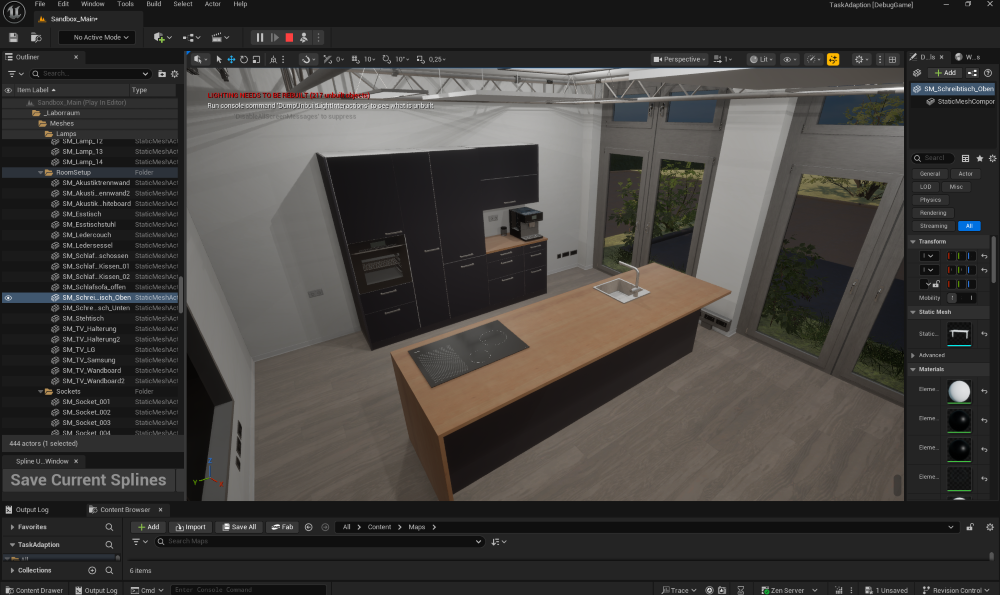
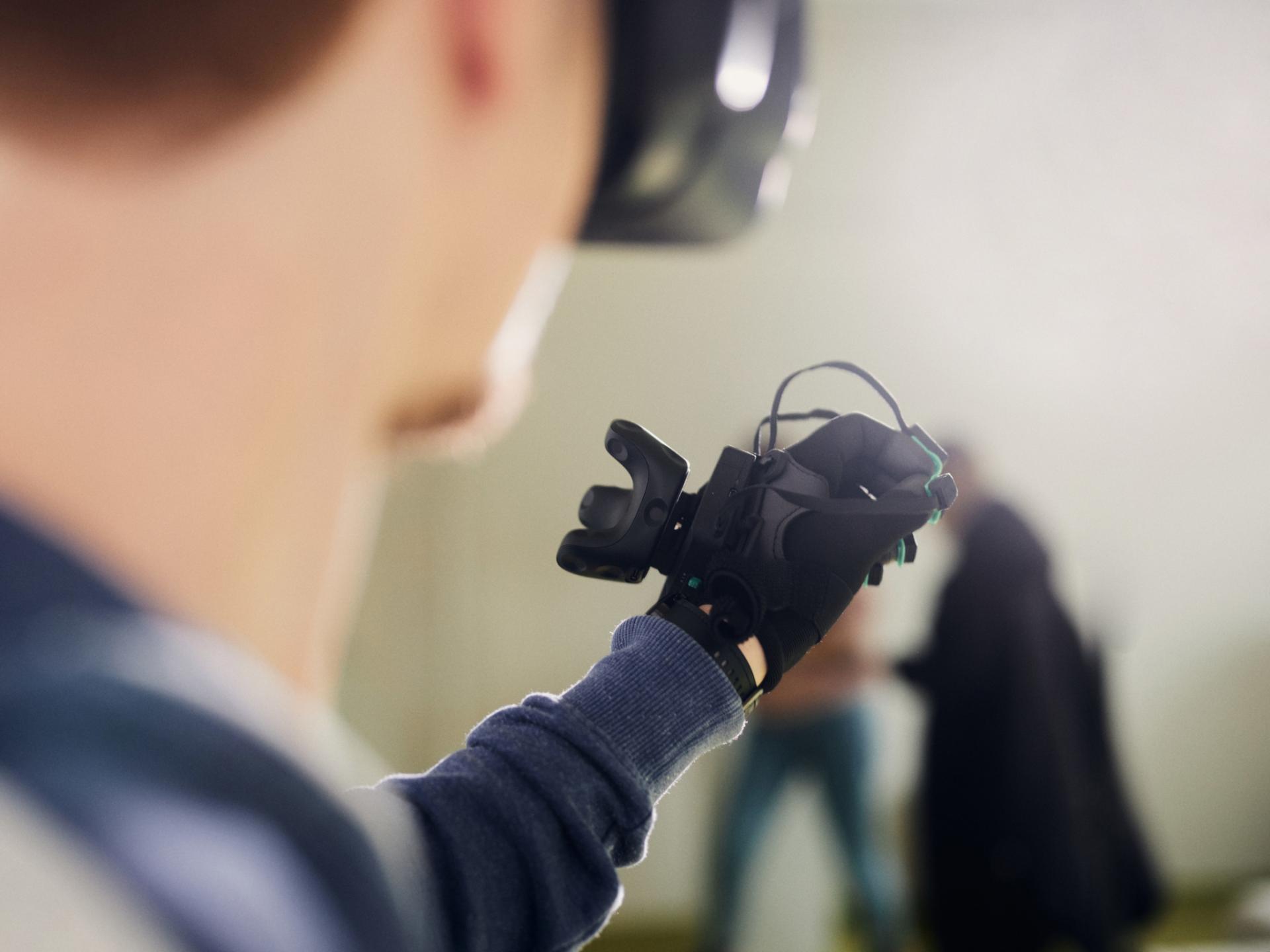
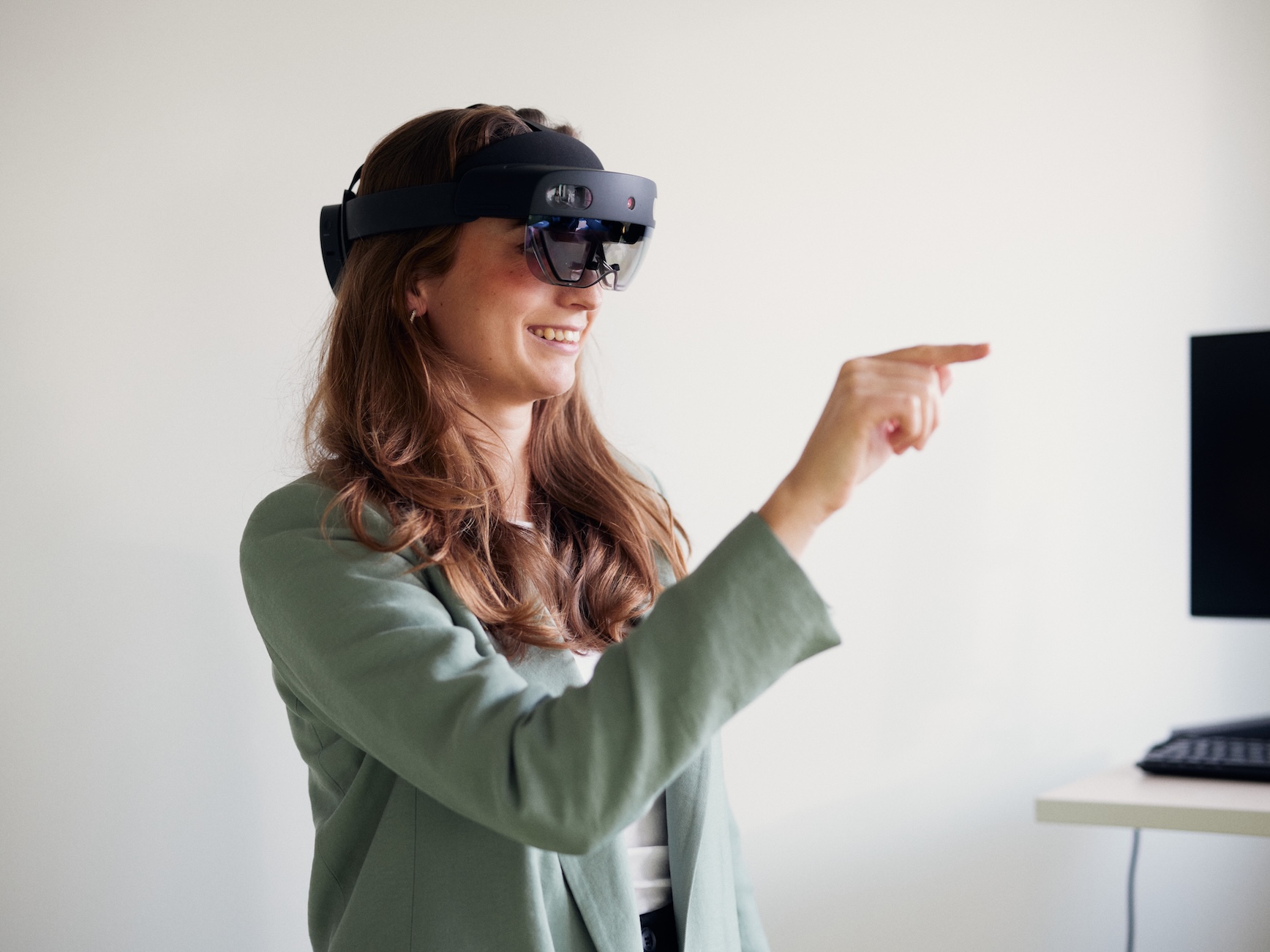
Wir untersuchen, wie Eingabemodalität (Handschuhe vs. Controller) und deren Visualisierung (Hand vs. Controller-Modell) die Ausführung alltäglicher Aufgaben in VR beeinflussen. In einer virtuellen Küche erledigen Teilnehmende typische Tätigkeiten (z. B. Tischdecken, Geschirrspüler, Schneiden, Reinigen, Einschenken, Zeigen/Bewerten).
Neben Usability/Workload erfassen wir hochauflösend Bewegungsverläufe (Trajektorien) und Interaktionen und werten sie mit einer semantischen Segmentierung aus (z. B. Greifen → Handeln → Ablegen). So können wir nicht nur „wie schnell“, sondern auch „wie“ Bewegungen ausgeführt wurden und wie konsistent/natürlich sie sind, beurteilen.
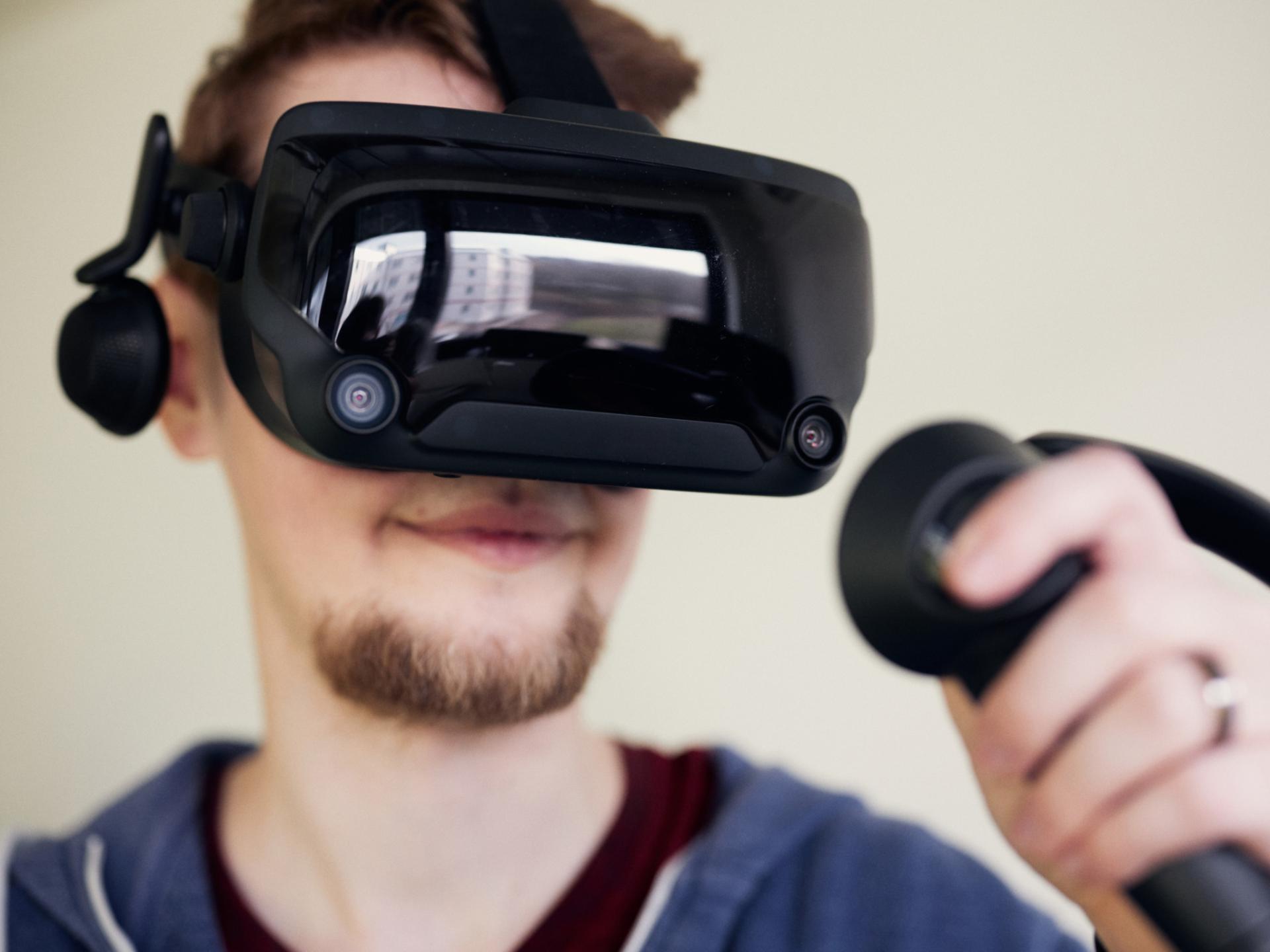
Verglichen werden drei Input-Setups:


M: Motion-Capture-Handschuhe mit Handvisualisierung
H: Controller, Hand wird virtuell rekonstruiert
C: Controller mit sichtbarem Controller-Modell
Forschungsfragen (RQs)
- RQ1: Welche Input-Konfiguration bietet die beste Nutzererfahrung (Usability, mentale/physische Belastung)?
- RQ2: Wie beeinflussen Modalität und Visualisierung das Interaktionsverhalten und die Demonstrationsqualität (z. B. Ausführungszeit, unnötige Aktionen, semantische Korrektheit, Konsistenz der Bewegungen)?