Forschungsstelle Biographische Religionsforschung

Forschungsstelle Biographische Religionsforschung
Aktuelle Publikationen
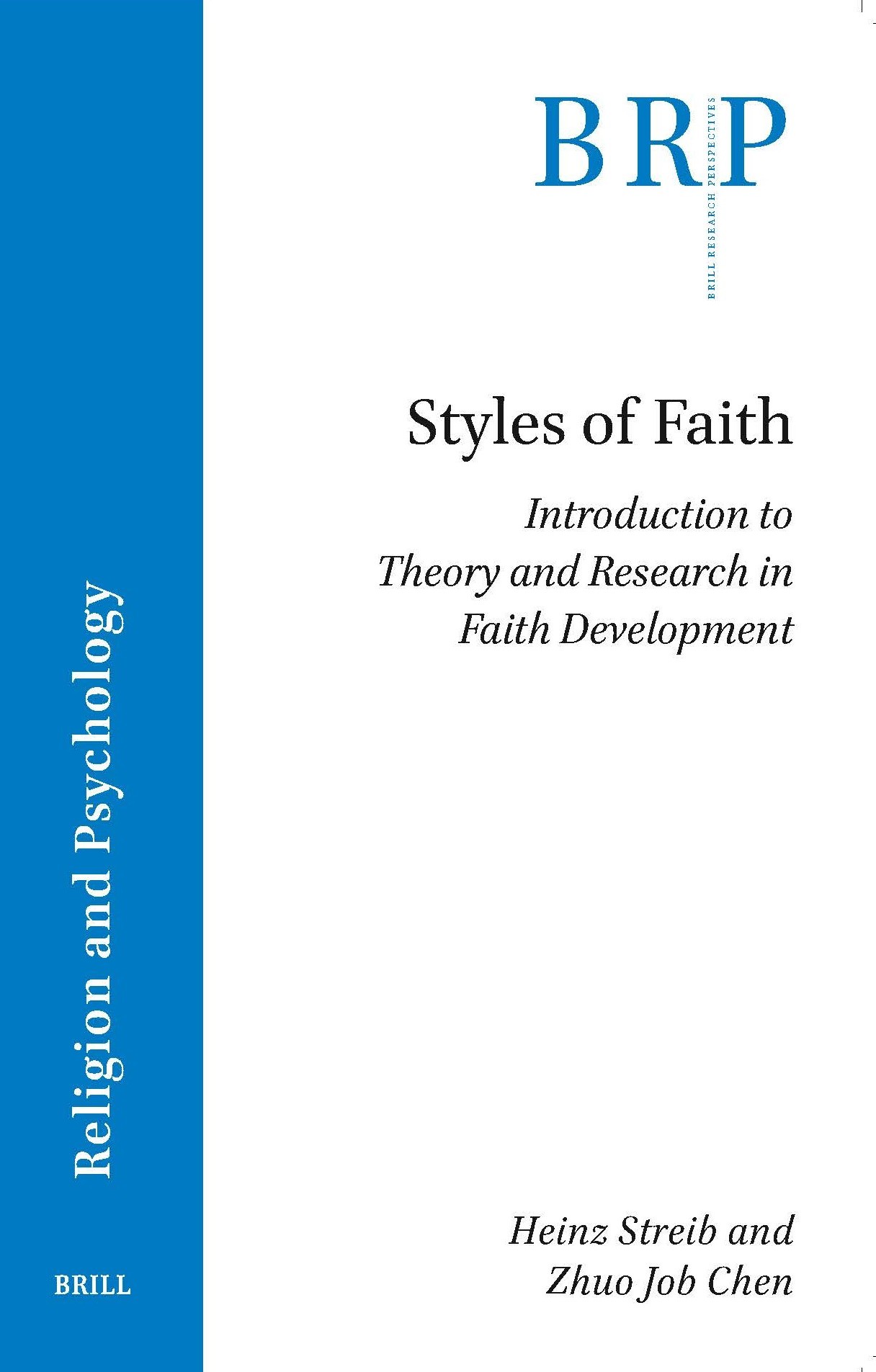
Streib, H., & Chen, Z. (2026). Styles of faith. Introduction into faith development theory and research. Brill. https://doi.org/10.1163/9789004754171
Streib, H. (2025). Outcomes of Faith Style Development. FINAL REPORT on the DFG-funded project STR 570/22-1. https://pub.uni-bielefeld.de/download/3011319/3011368/FINAL_REPORT_STR570-22-1_2025-11-07_public.pdf; https://osf.io/ap79e/files/tpksv
In der Forschungsstelle Biographische Religionsforschung haben über mehr als zwei Jahrzehnte empirische Forschungsprojekte durchgeführt, die eine große Bandbreite von Themen, religiösen Orientierungen, und Altersgruppen in den Blick genommen haben. Die Analyse von Kinderzeichnungen, Studien zu Jugend, Magie und Religion, eine Studie zu Konflikt-Mediation im Klassenzimmer, und eine Interviewstudie für die Enquête Kommission des Deutschen Bundestags über christlich-fundamentalistische Biographieverläufe waren Teil der eher weiter zurückliegenden Forschung. Die Dekonversionsstudie (2002-2005), die Studie zur Semantik und Psychologie von Spiritualität (2009-2012) sowie das Projekt zur Willkommenskultur und Xenosophie in Deutschland (2011-2015) gehören zu den aus Drittmittel geförderten, umfangreicheren Projekten. Die drei letztgenannten Projekte wurden dankenswerterweise von der Deutschen Forschungsgemeinschaft (DFG) und der John Templeton Foundation entweder je eigens oder gemeinsam durch matching funds gefördert. Die Ergebnisse sind in erster Linie in Büchern veröffentlicht, die auch eine große Anzahl von Fallstudien enthalten.
In diesen drei Projekten haben wir eine Auswahl der Teilnehmenden mit dem Faith-Development-Interview (FDI) interviewt. Die Anzahl der Probanden in den jeweiligen Umfragen war freilich ein Vielfaches höher; aber nahezu jede der mit dem FDI interviewte Person hat auch einen Fragebogen beantwortet. Das heißt: Im Hinblick auf Methoden kam in unseren Projekten eine Kombination (Triangulierung) von quantitativen Forschungsstrategien mit qualitativen Methoden, basierend auf biographischen Interviews, zu Anwendung. Und das FDI ist eine grandiose Einladung zum biographischen Erzählen. Unsere Teams an der Universität Bielefeld und an der University of Tennessee at Chattanooga haben mit viel Zeit und Energie an diesen Forschungsprojekten gearbeitet.
Seit 2014 wurde unsere Forschung eine Langzeituntersuchung: Wir haben die Teilnehmer*innen aus unseren vorausgehenden Projekten zu einem zweiten, dritten oder vierten Faith-Development-Interview und zu weiteren Teilnahmen an unserem Fragebogen eingeladen. Daraus resultiert eine Datengrundlage von mehr als 1500 FDI-Transkripten und mehr als 6600 Fragebogenteilnahmen. Das im Kasten rechts vorgestellte neueste Buch, Styles of Faith, enthält eine Darstellung der Theorie auf dem gegenwärtigen Stand, aber auch eine Zusammenfassung der wichtigsten empirischen Ergebnisse. Eine kurze Zusammenfassung und zahlreiche Links zu unseren Publikationen findet sich auch im Abschlussbericht an die DFG.
Unsere Forschung über religiöse Entwicklung hat Wurzeln in der Forschung und dem Theorieentwurfe von James Fowler. Doch zielt unser Ansatz auf eine umfangreichere Erfassung der Komplexität und Varianz von faith development, die nach unserem Modell Progression und Regression umfassen kann. Wir nehmen also Abstand von Annahmen einer monodirektionalen, stufenförmigen Entwicklungslinie und stellen ein Modell von faith styles vor, wie dies im Buch von 2026 dargestellt ist.