Interaktive Robotik in Medizin und Pflege

© Universität Bielefeld / Patrick Pollmeier

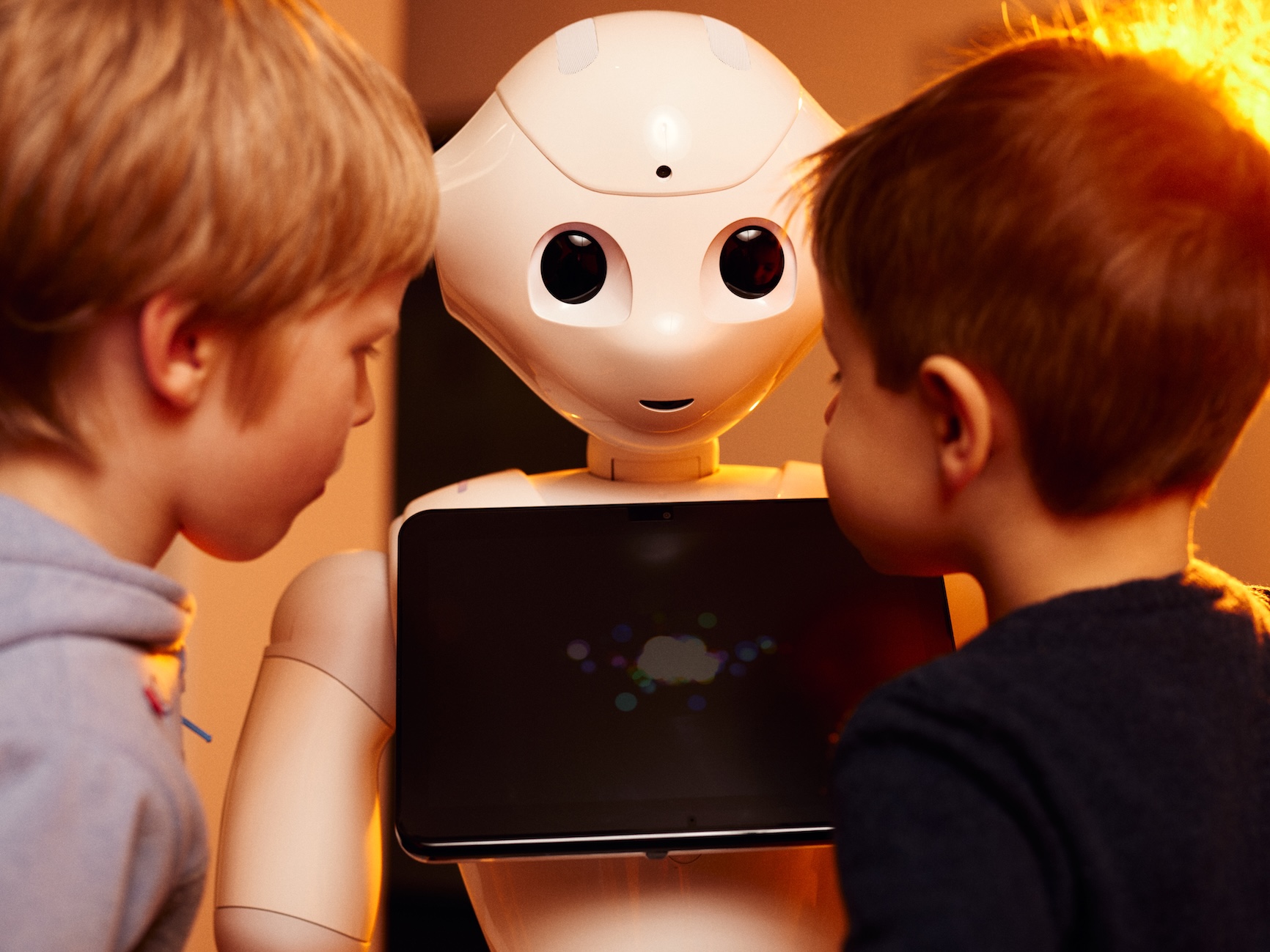
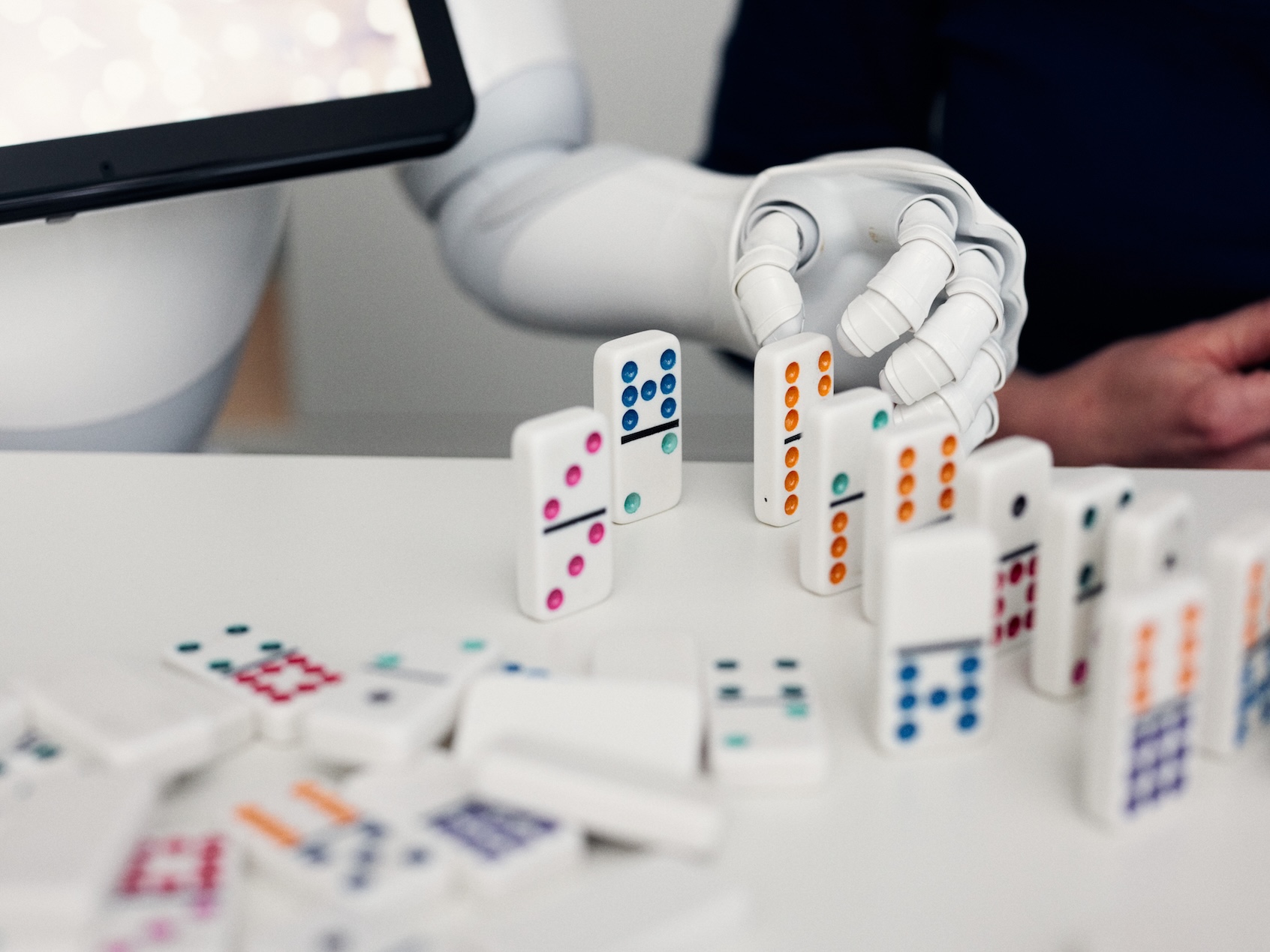
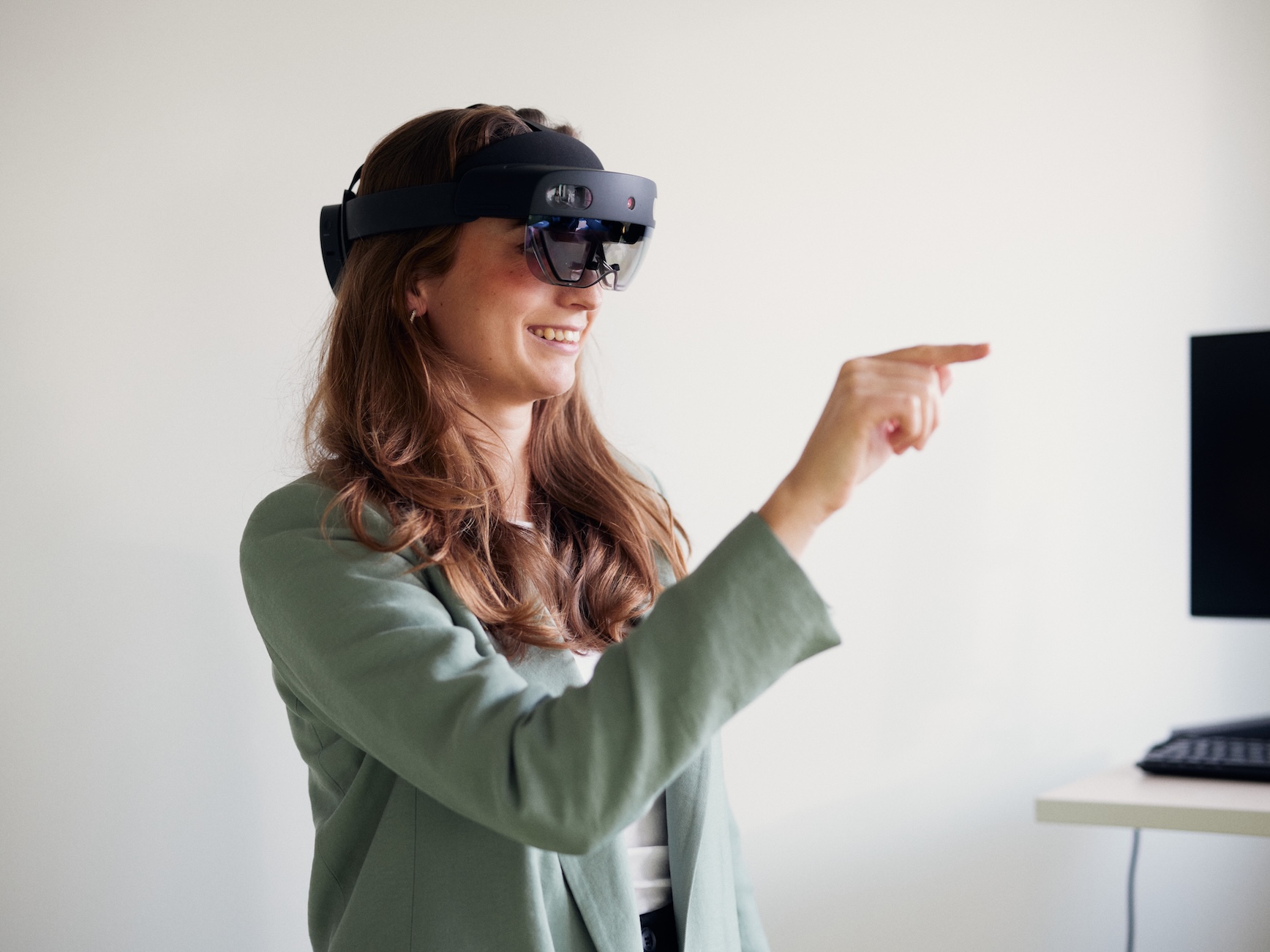
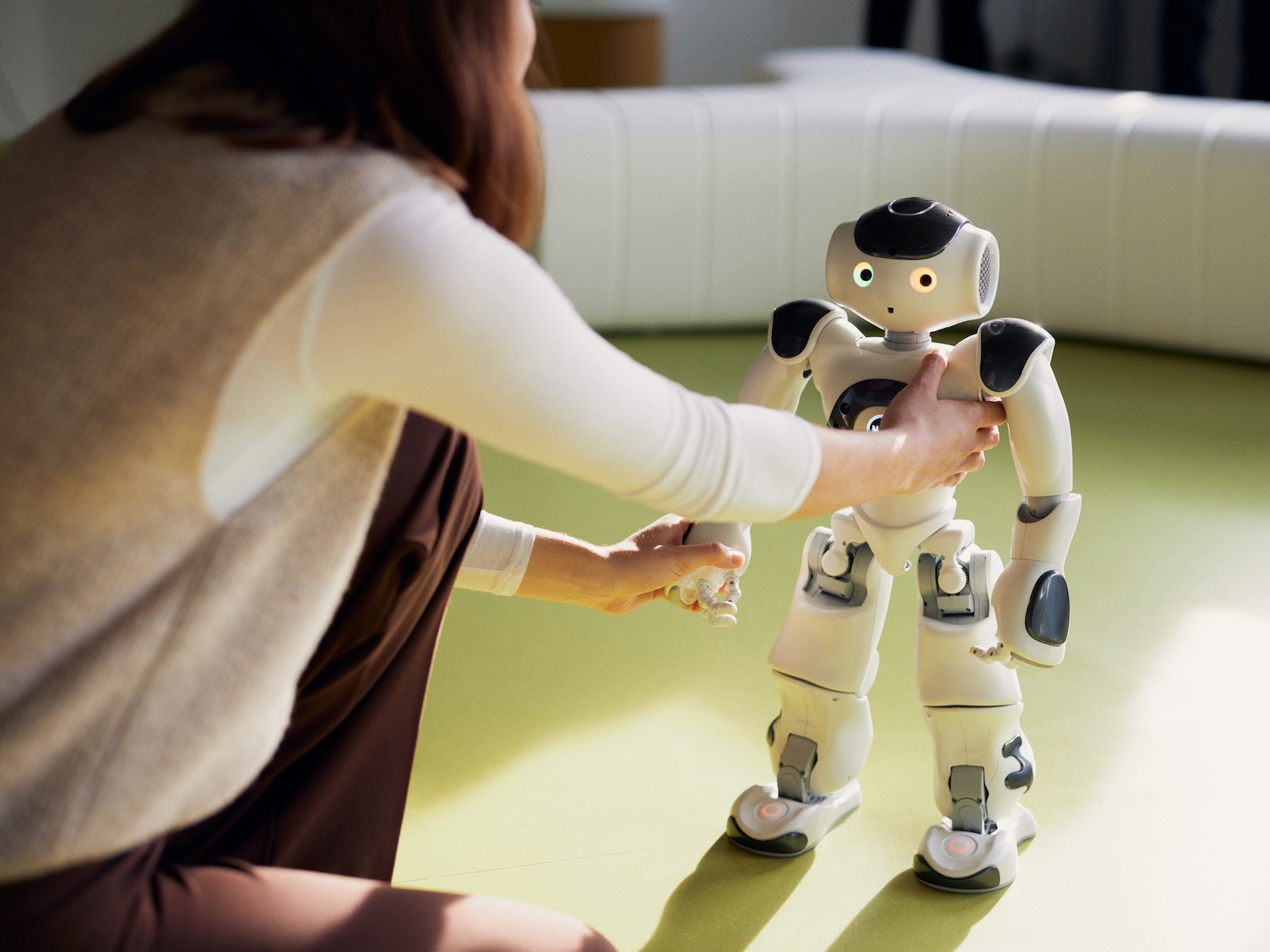
Adaptive Interaction for Self-efficacy (AI4self)

Medizinische Untersuchungen können für schüchterne Kinder und Menschen mit Behinderungen besonders herausfordernd sein. Zudem kann das Temperament eines Kindes die Untersuchungsergebnisse beeinflussen oder dazu führen, dass Untersuchungen nicht korrekt durchgeführt werden können. Eine Möglichkeit, diesen Herausforderungen zu begegnen, besteht darin, die wahrgenommene Selbstwirksamkeit des Kindes zu stärken.
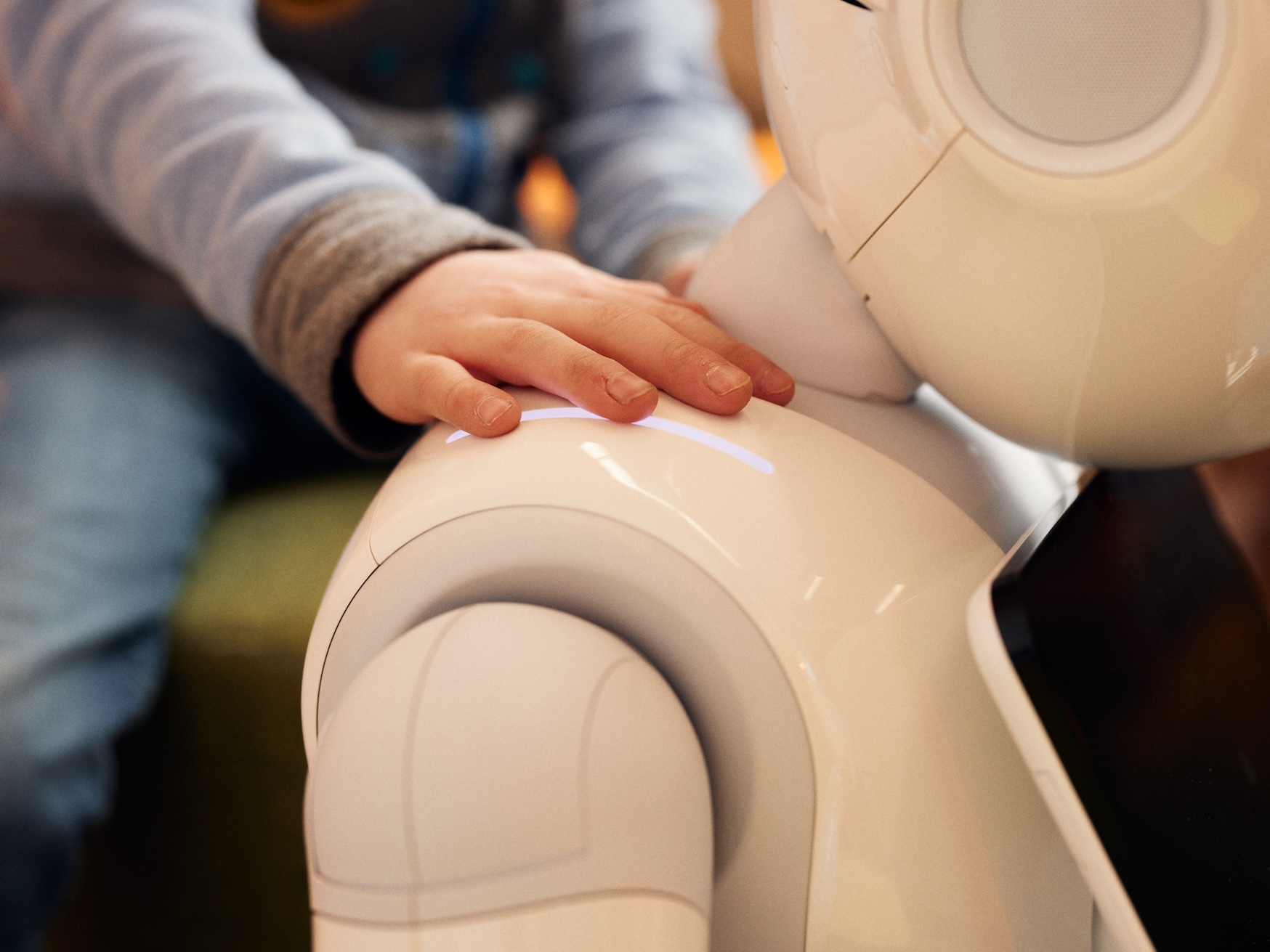
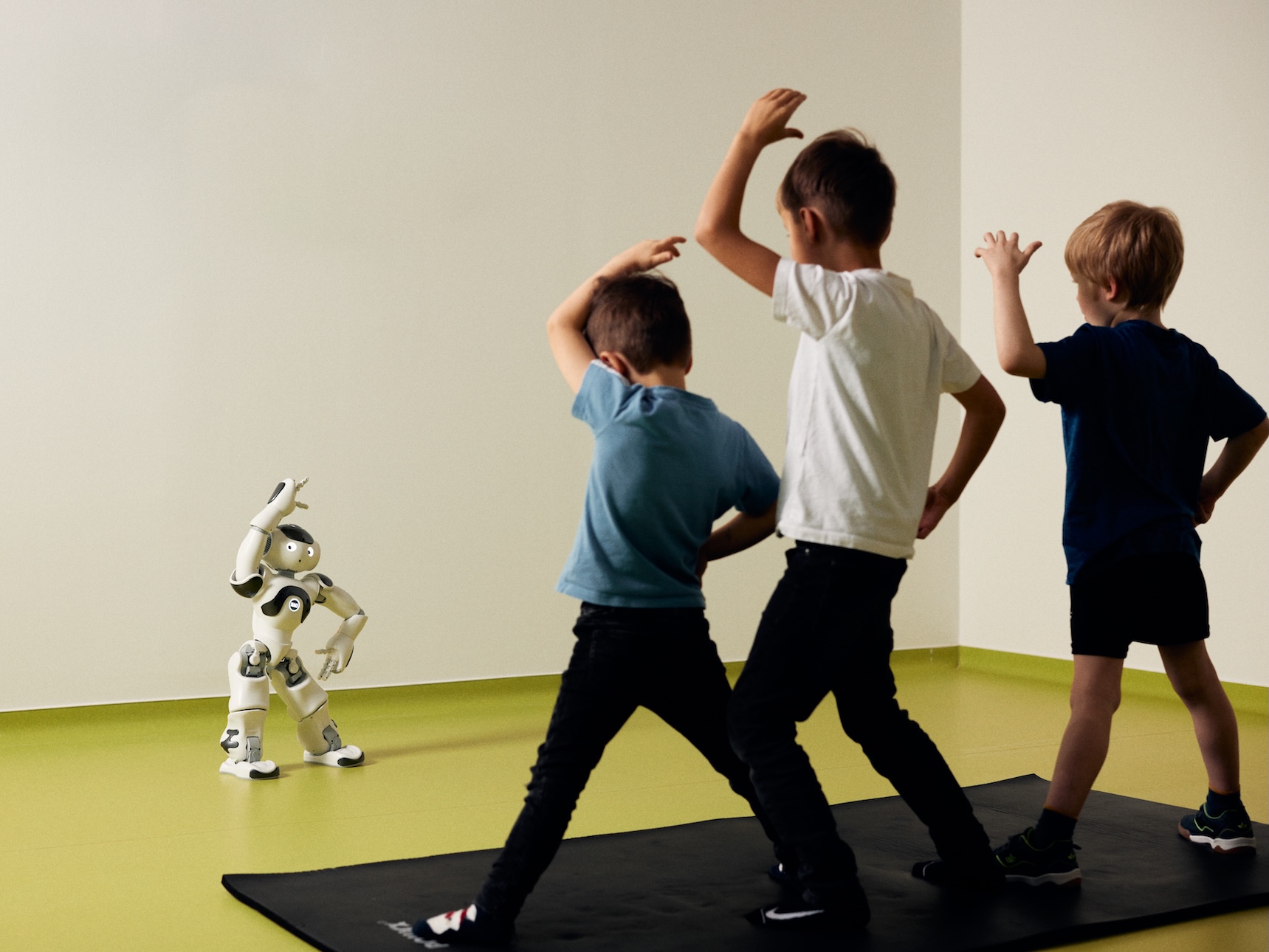
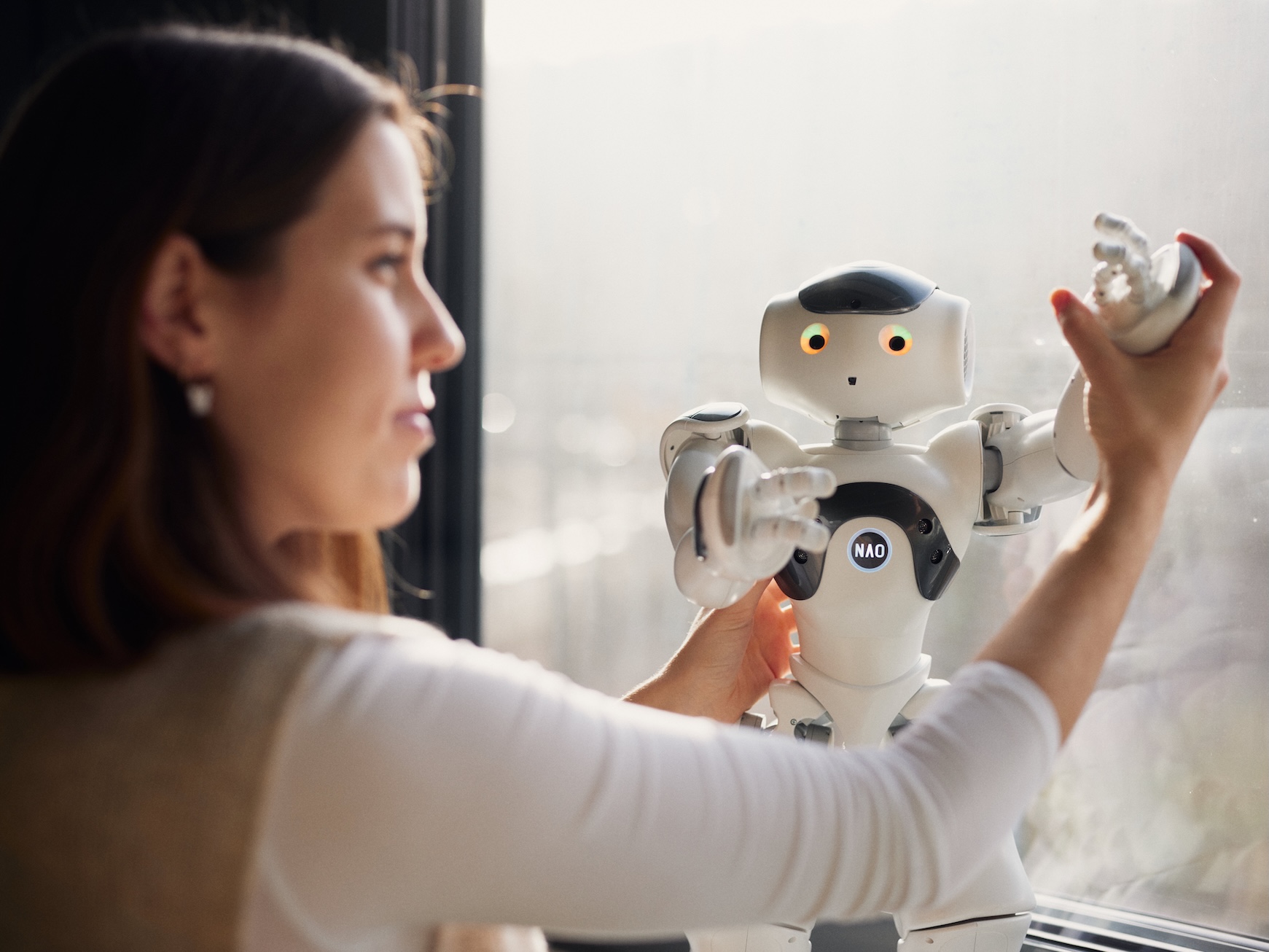
Das Projekt AI4self untersucht, wie eine gezielte Aufwärmphase mit einem Roboter die Selbstwirksamkeit vor einer medizinischen Untersuchung steigern kann. Die Interaktion mit dem Roboter wird dabei individuell an das Temperament des Kindes angepasst.
In mehreren Studien wird die Wirksamkeit verschiedener Warm-up-Strategien mit Vor- und Grundschulkindern untersucht:
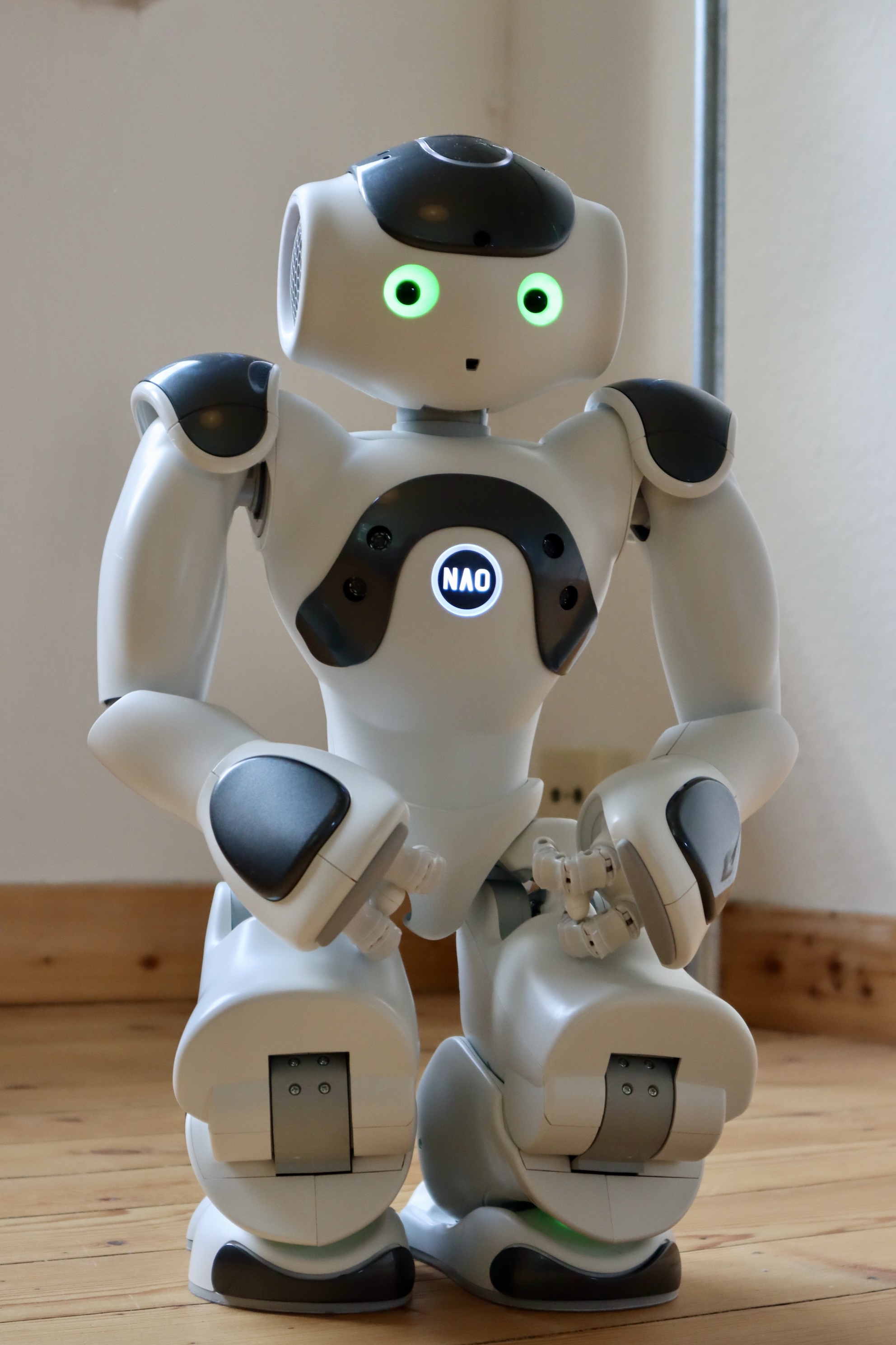
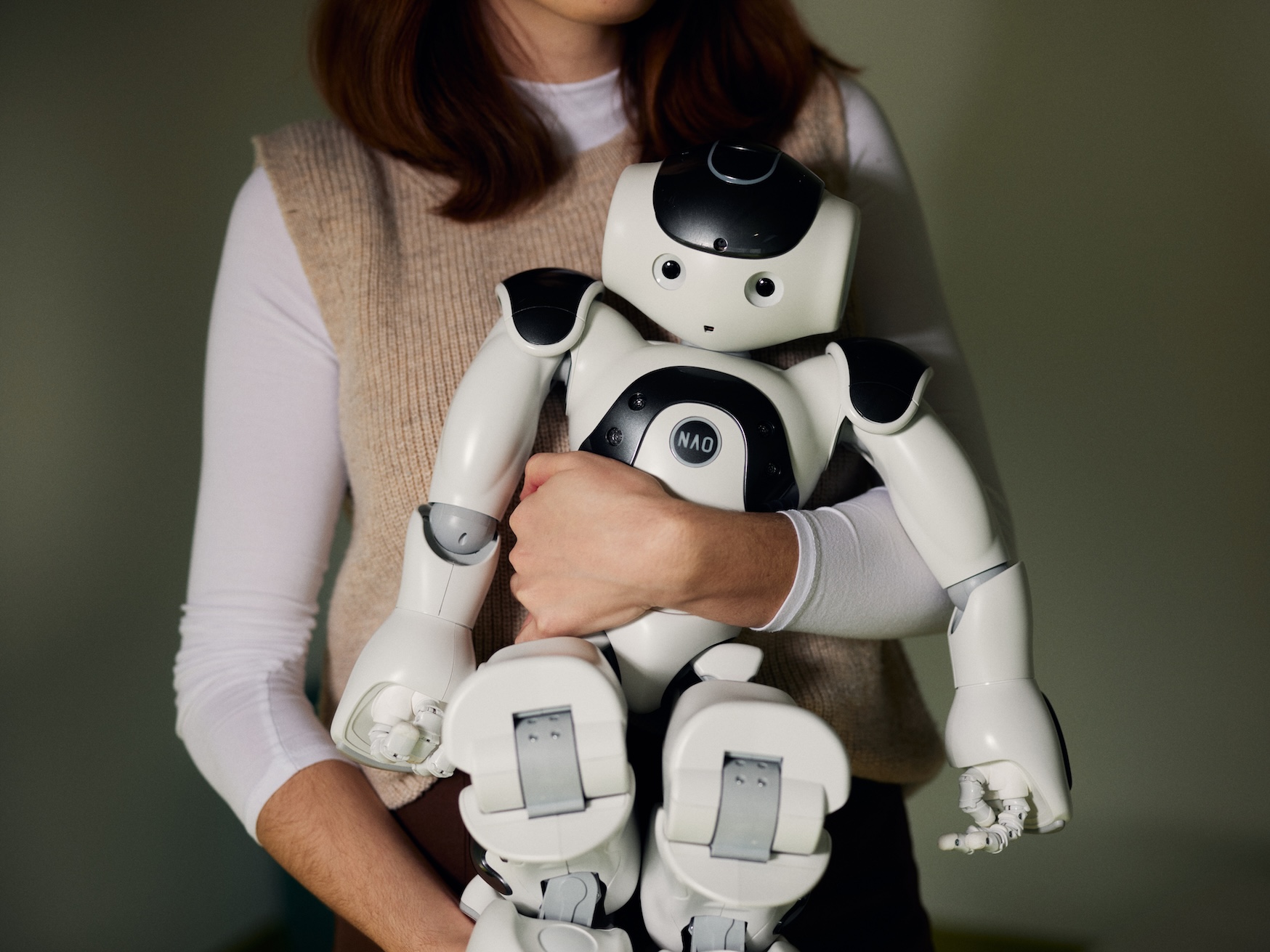
- Aufgaben-unabhängiges Warm-up: Interaktives Geschichtenerzählen mit dem Roboter Nao.
- Aufgaben-abhängiges Warm-up: Interaktives Geschichtenerzählen mit dem Roboter Nao, bei dem Inhalte der bevorstehenden medizinischen Untersuchung geübt werden.
- Spielerisches Warm-up: Spielen mit dem Roboter Nao mithilfe farbiger Buttons.
- Lernbasiertes Warm-up: Das Kind bringt dem Roboter Nao etwas bei.
Adaptive Interaktion


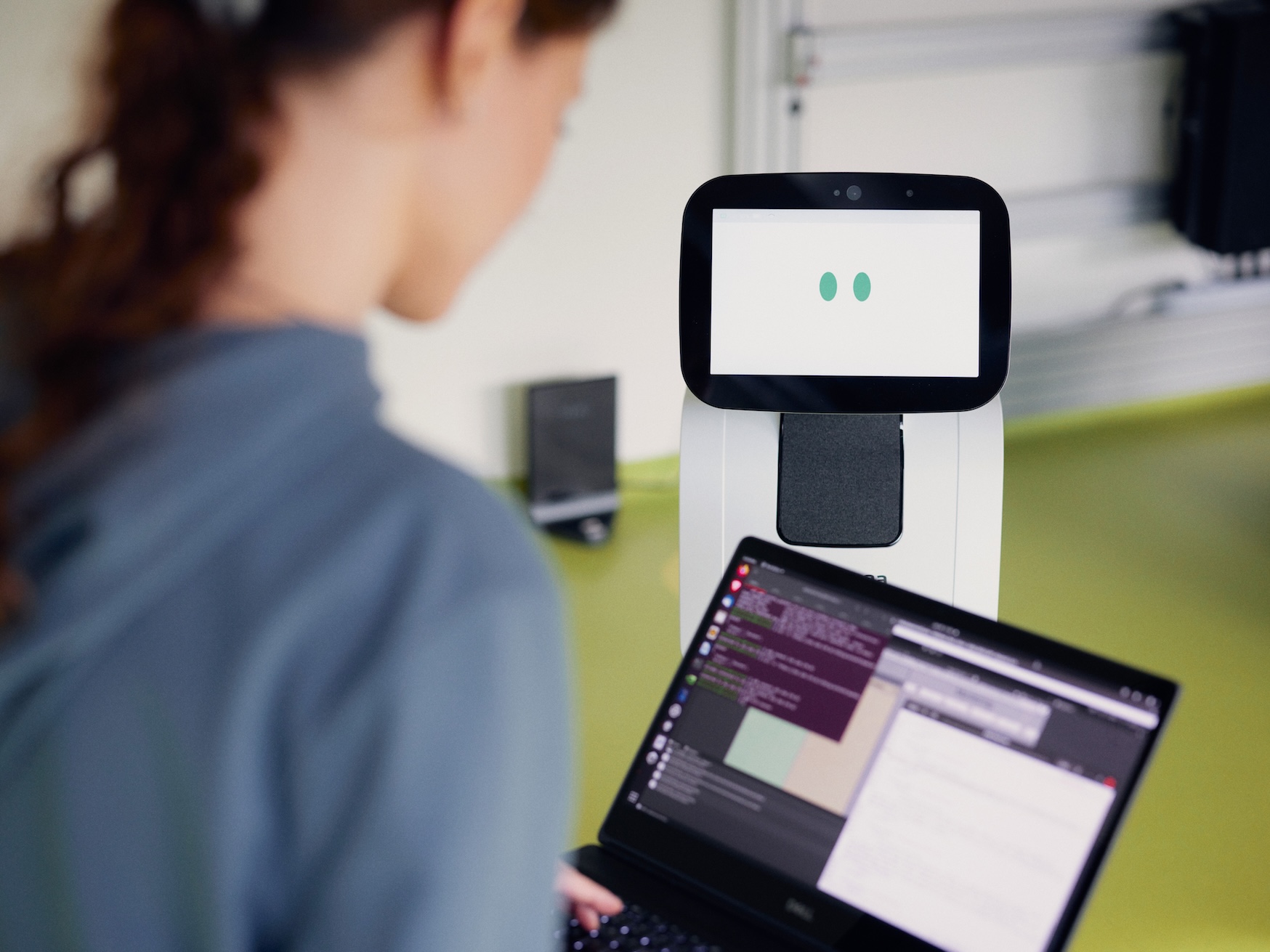
Die Interaktion mit dem Roboter wird adaptiv gestaltet, um auf individuelle Unterschiede im Kind-Temperament einzugehen. Dies geschieht durch die Erfassung verschiedener Merkmale, darunter Entfernung zum Roboter, Emotionen, Blickverhalten, Gesten und Körperhaltung. Der Fokus liegt insbesondere auf der Erkennung und adaptiven Reaktion auf Schüchternheit.