Fokusbereiche

AI*IM: Interaktive inklusive KI für Menschen mit kognitiven Beeinträchtigungen
AI*IM (Artificial Intelligence*Inclusive Medicine) vereint Wissenschaftler*innen aus neun Fakultäten (Forschungsbereichen) mit einem gemeinsamen Ziel: die Gesundheit, Teilhabe und Selbstbestimmung von Menschen mit kognitiven (Gedächtnis) Beeinträchtigungen durch inklusive Assistenztechnologie und Künstliche Intelligenz nachhaltig zu verbessern. Der Fokusbereich (das Projekt) verbindet medizinische Expertise mit technologischer Spitzenforschung und gesellschaftlicher Verantwortung. Forschende aus der Medizin, Technik, Linguistik (Sprachwissenschaft) & Literaturwissenschaft, Gesundheitswissenschaften, Erziehungswissenschaft, Psychologie, Philosophie und Soziologie (Soziale Forschung) arbeiten eng mit Selbstvertretungen von Menschen mit kognitiven Beeinträchtigungen zusammen. So schafft AI*IM ein einzigartiges Forschungsumfeld, in dem technologische Innovation und soziale Inklusion Hand in Hand gehen.
Einfache Sprache
Eine Erklärung von AI*IM in Einfacher Sprache finden Sie hier.






News und Veranstaltungen
Scoping Workshop zur Inklusiven Medizin in Hannover
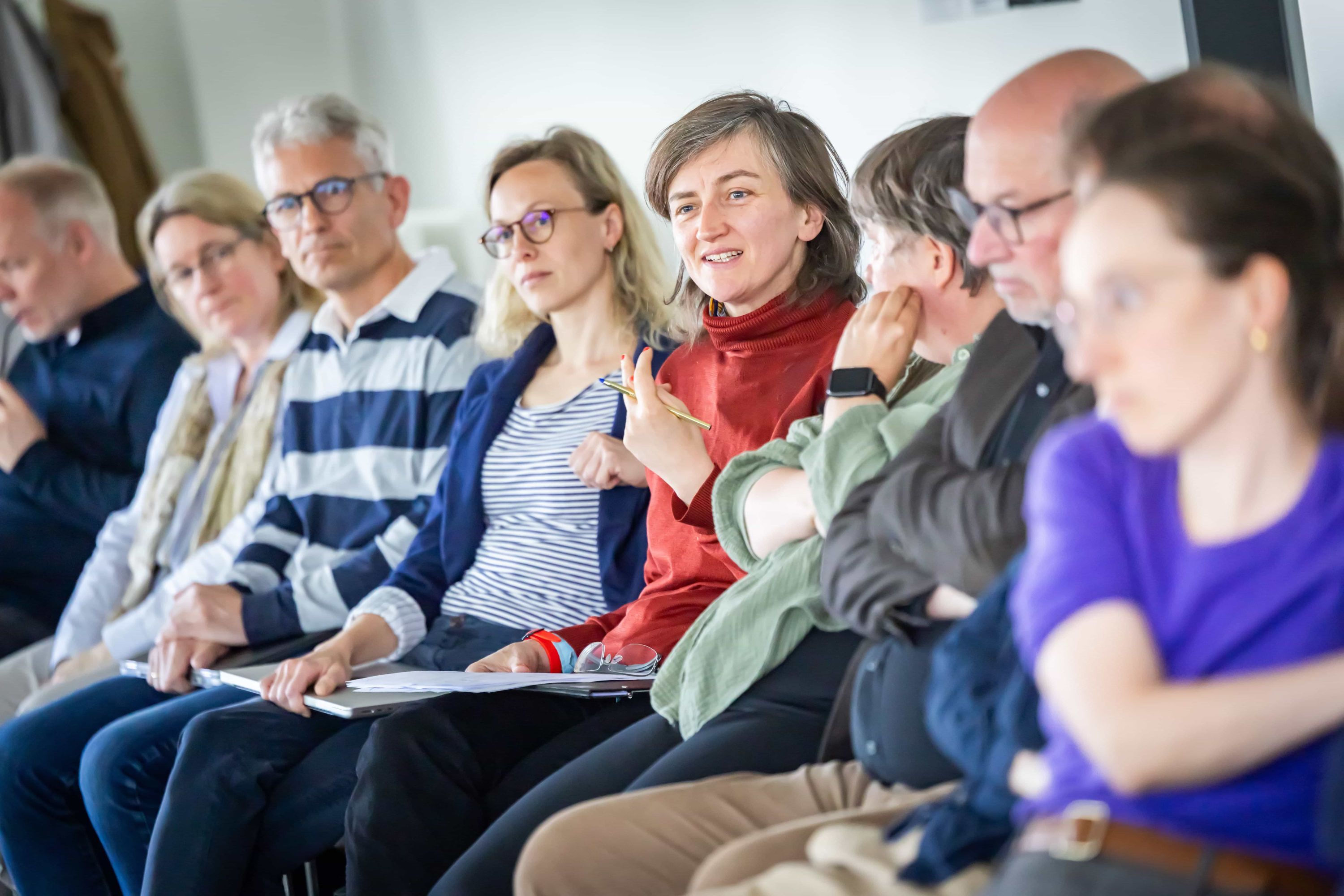
Vom 4.–6. Februar 2026 kamen im Schloss Herrenhausen in Hannover erstmals rund 30 Expert:innen aus Medizin, Recht, Philosophie, Politik, Journalismus und Selbstvertretung zu einem dreitägigen Scoping-Workshop zur Inklusiven Medizin zusammen. Die Veranstaltung wurde durch die VolkswagenStiftung gefördert und widmete sich der Frage, wie eine inklusive, partizipative und barrierefreie Medizin der Zukunft gestaltet werden kann.
Ziel des Workshops war es, zentrale Forschungsbedarfe zu identifizieren, prioritäre Fragestellungen zu formulieren und Grundlagen für eine nachhaltige Forschungs- und Versorgungsstruktur zu entwickeln. Im Mittelpunkt standen dabei insbesondere folgende Handlungsfelder:
- gezielte Förderstrukturen für inklusive medizinische Forschungsprojekte
- konsequente Partizipation von Menschen mit Behinderungen im Sinne von Co-Creation – von der Entwicklung der Forschungsfragen bis zur Auswertung
- Sicherstellung von Relevanz und Schutz vor unnötigen Risiken in Forschungsvorhaben
- internationale Vernetzung und Austausch mit bestehenden Modellen und Best Practices
Darüber hinaus wurde diskutiert, inwiefern bestehende Strukturen der medizinischen Versorgung sowie der Aus- und Fortbildung Menschen mit Behinderungen systematisch mitdenken – oder unbeabsichtigt ausschließen. Vorbildhafte Projekte an verschiedenen Standorten in Deutschland zeigen bereits vielversprechende Ansätze, die künftig stärker vernetzt und weiterentwickelt werden sollen.


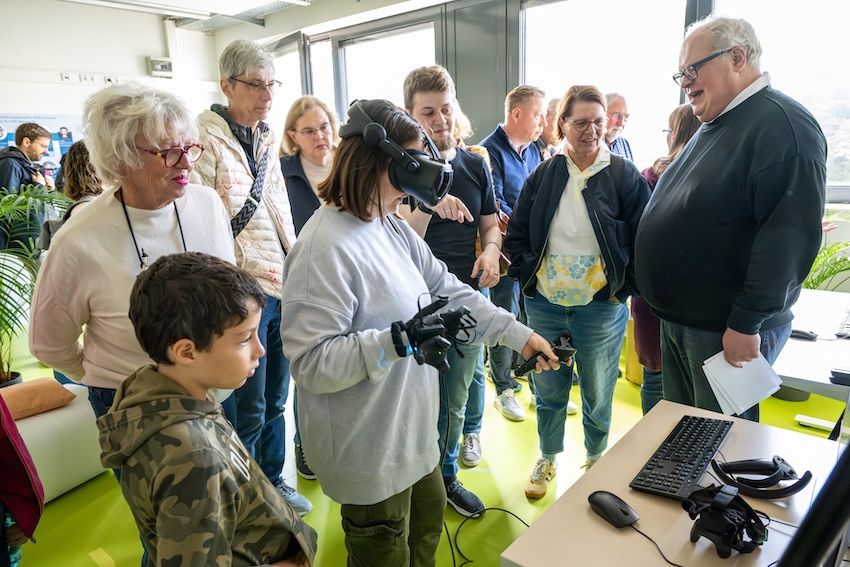
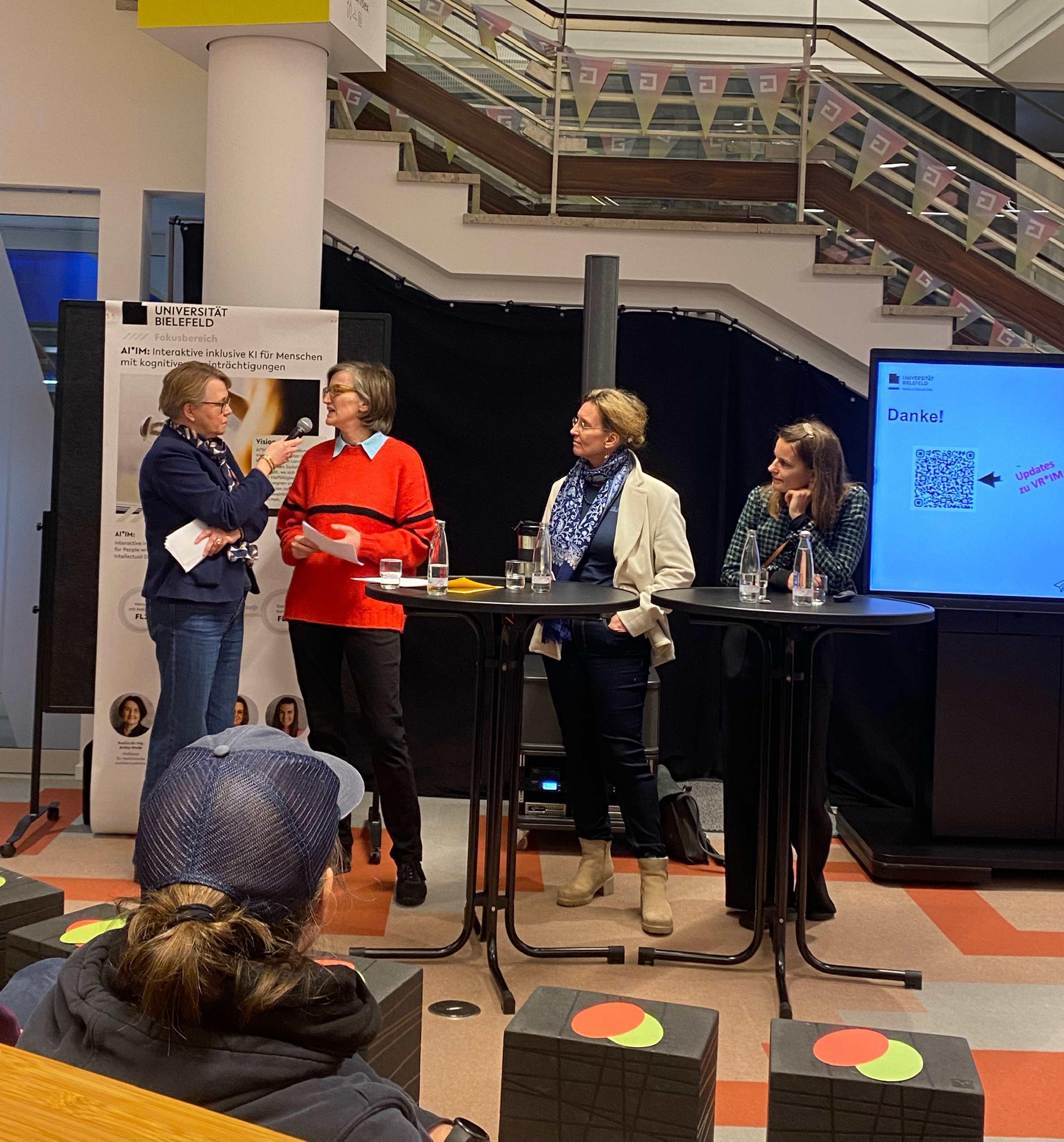
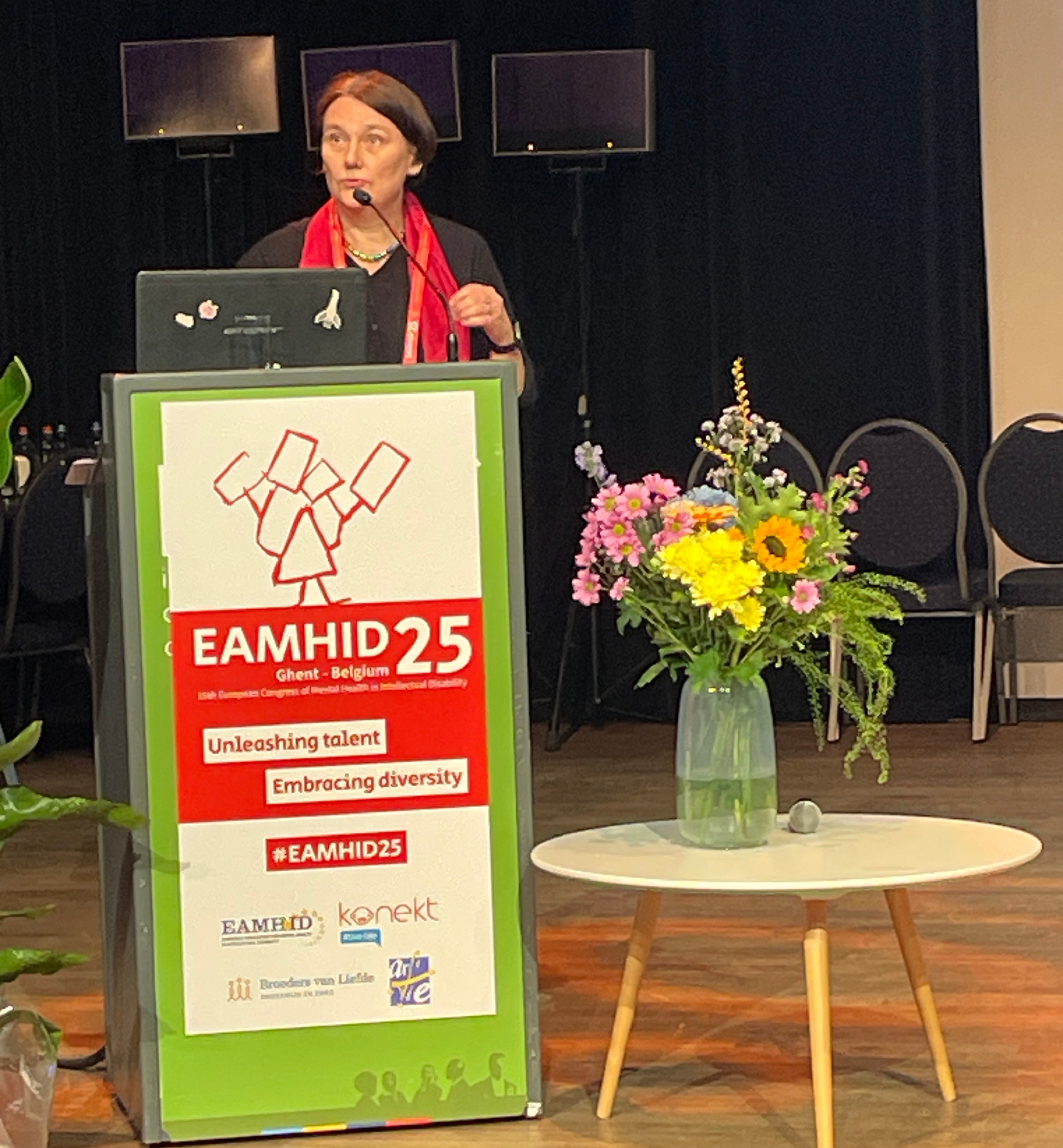
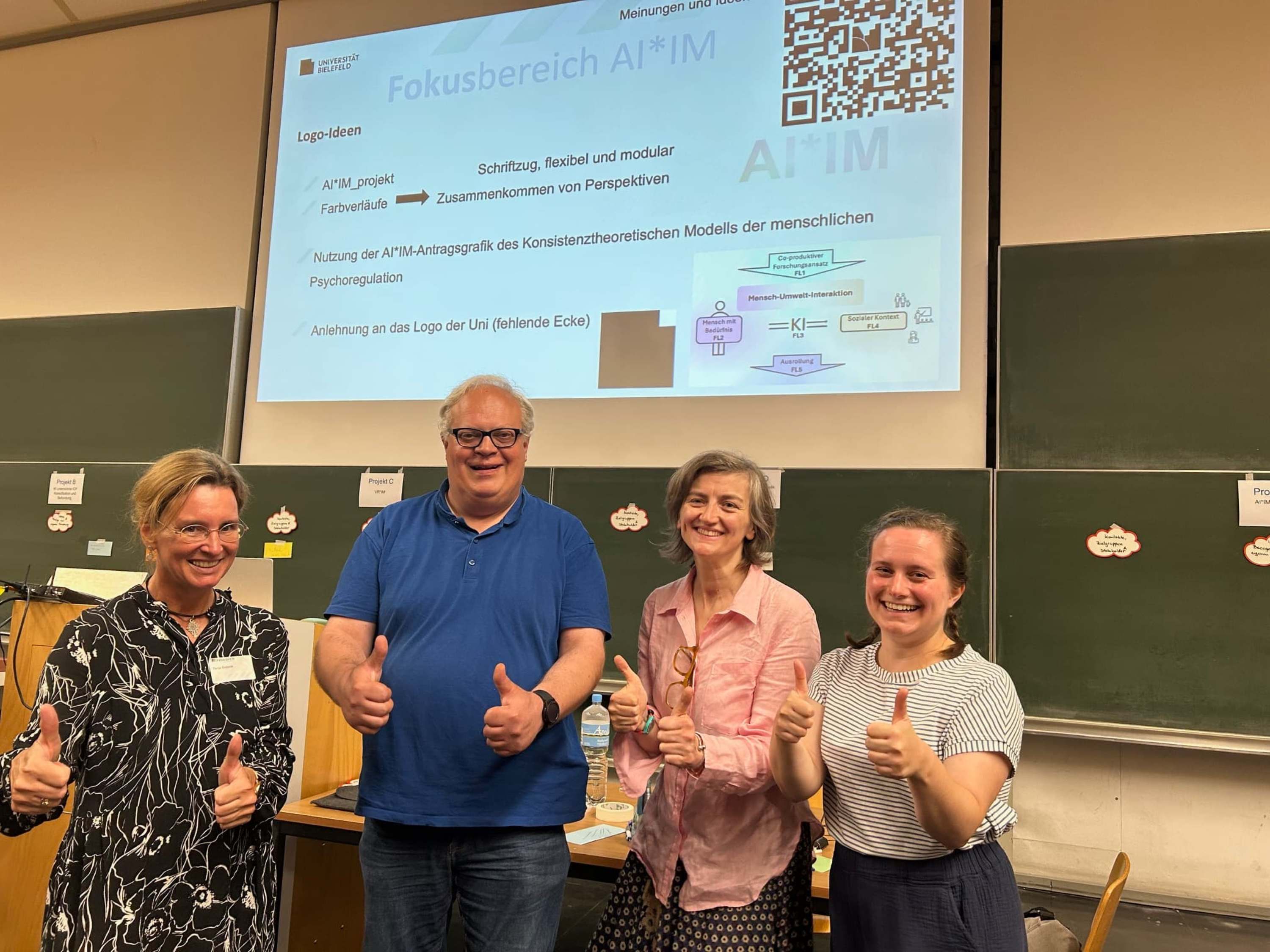
© Universität Bielefeld/ Sarah Jonek 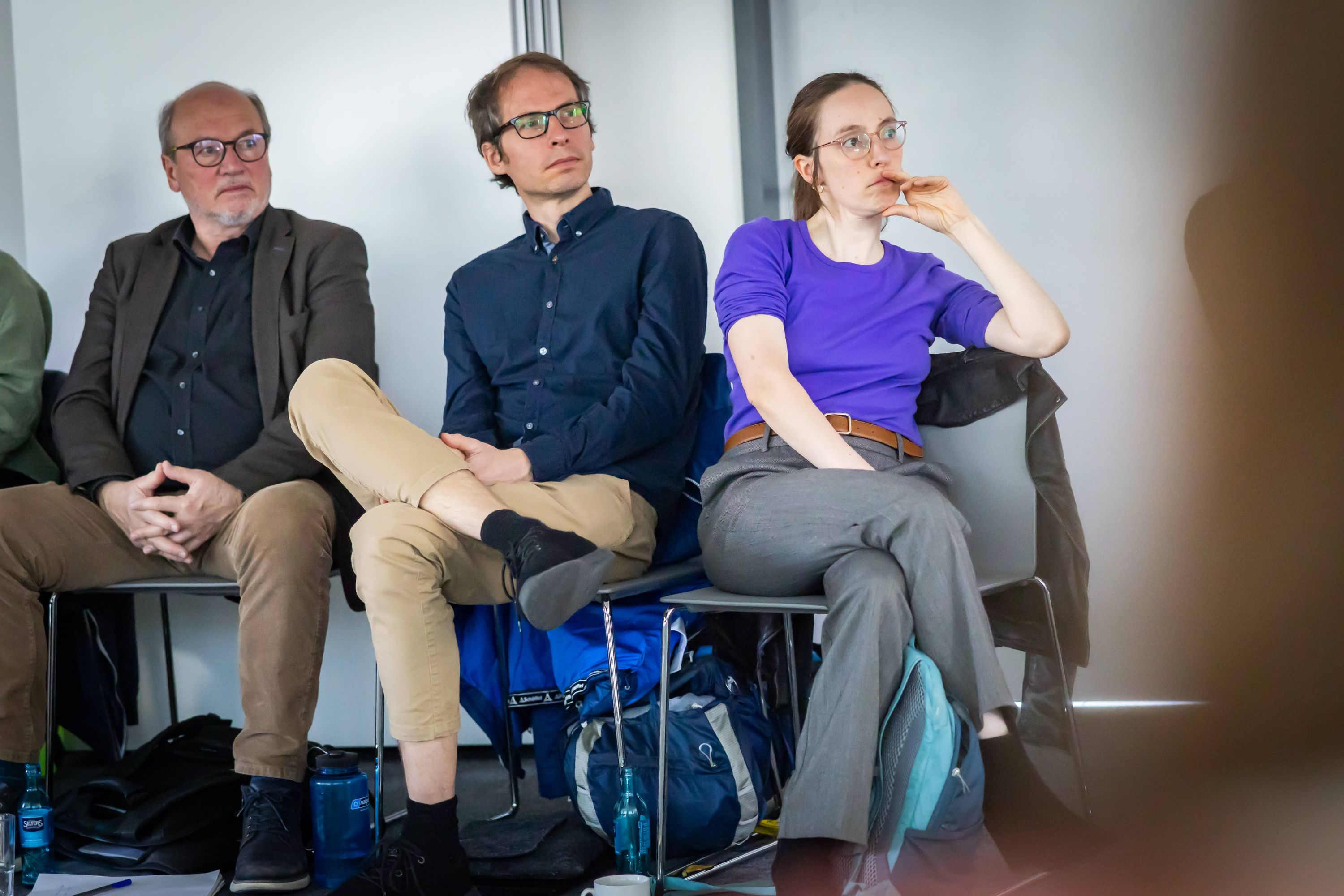
© Universität Bielefeld/ Sarah Jonek 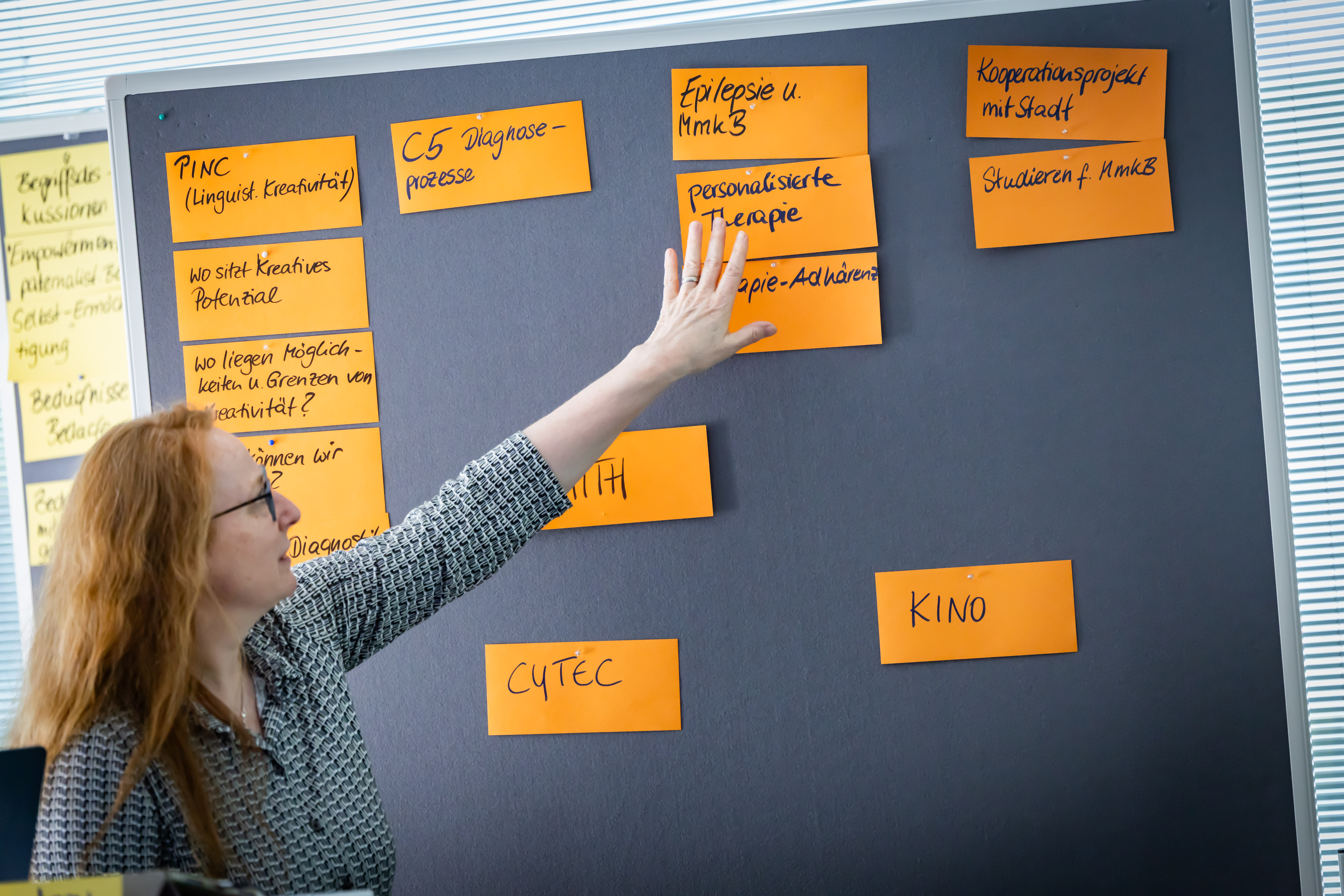
© Universität Bielefeld/ Sarah Jonek 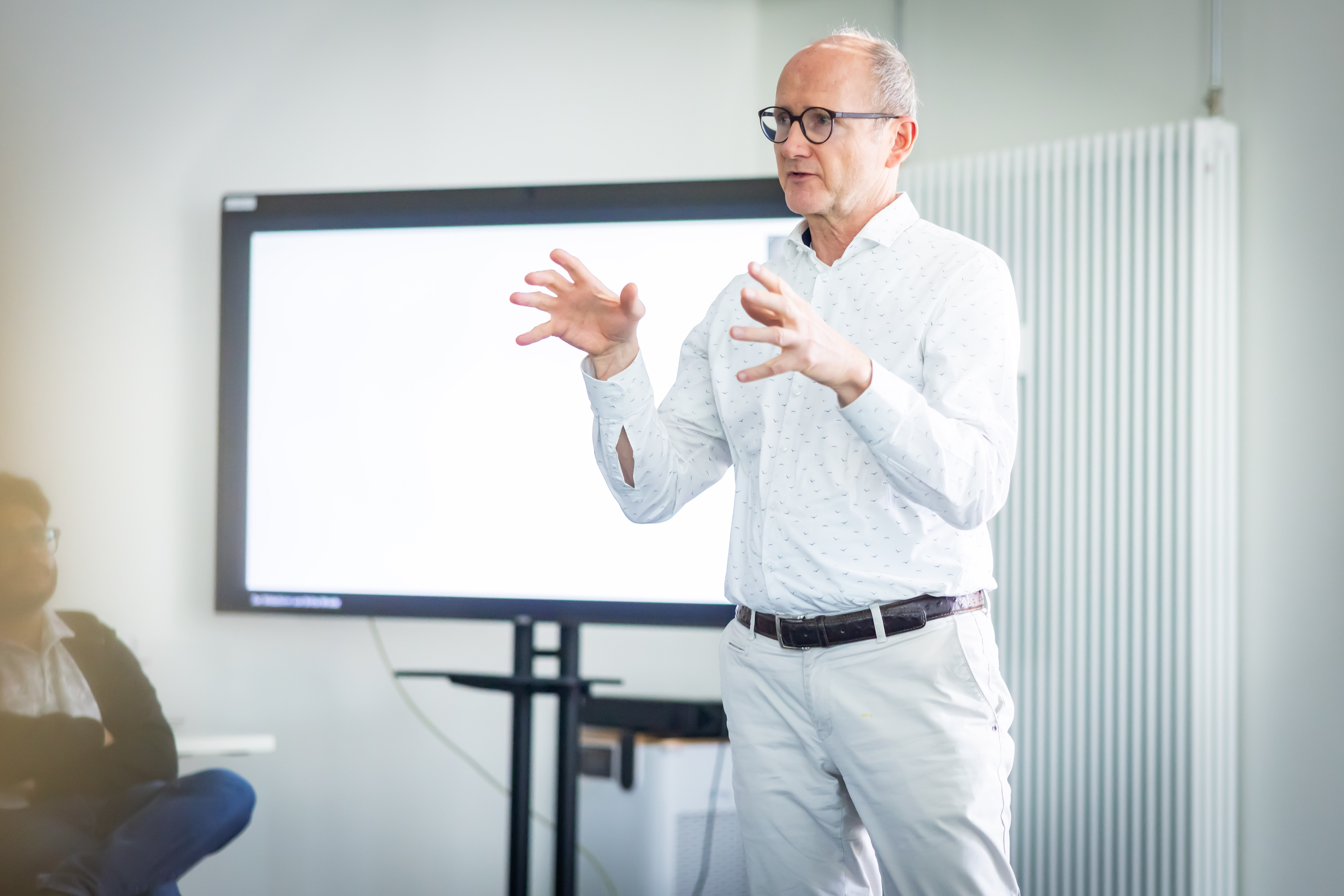
© Universität Bielefeld/ Sarah Jonek 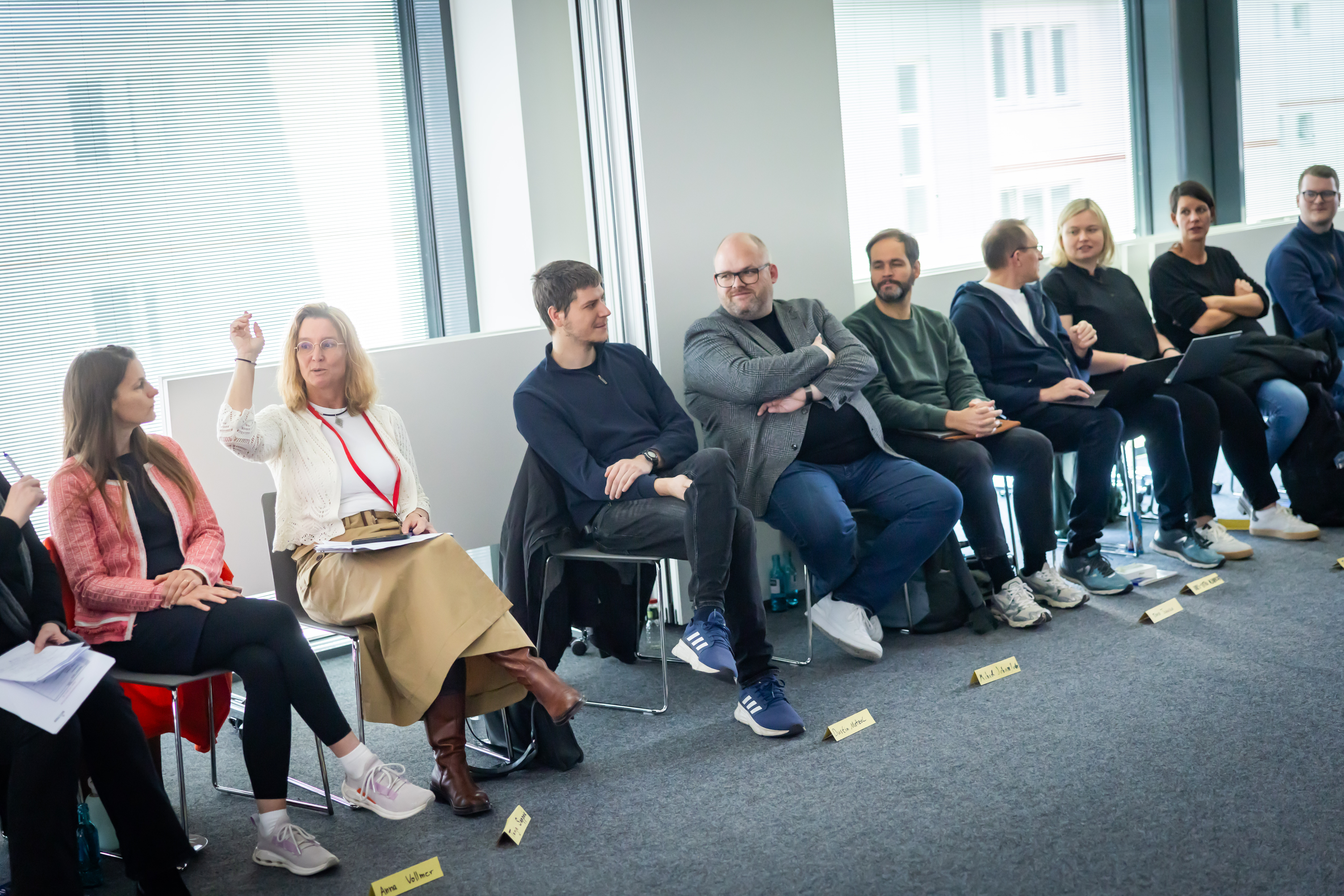
© Universität Bielefeld/ Sarah Jonek 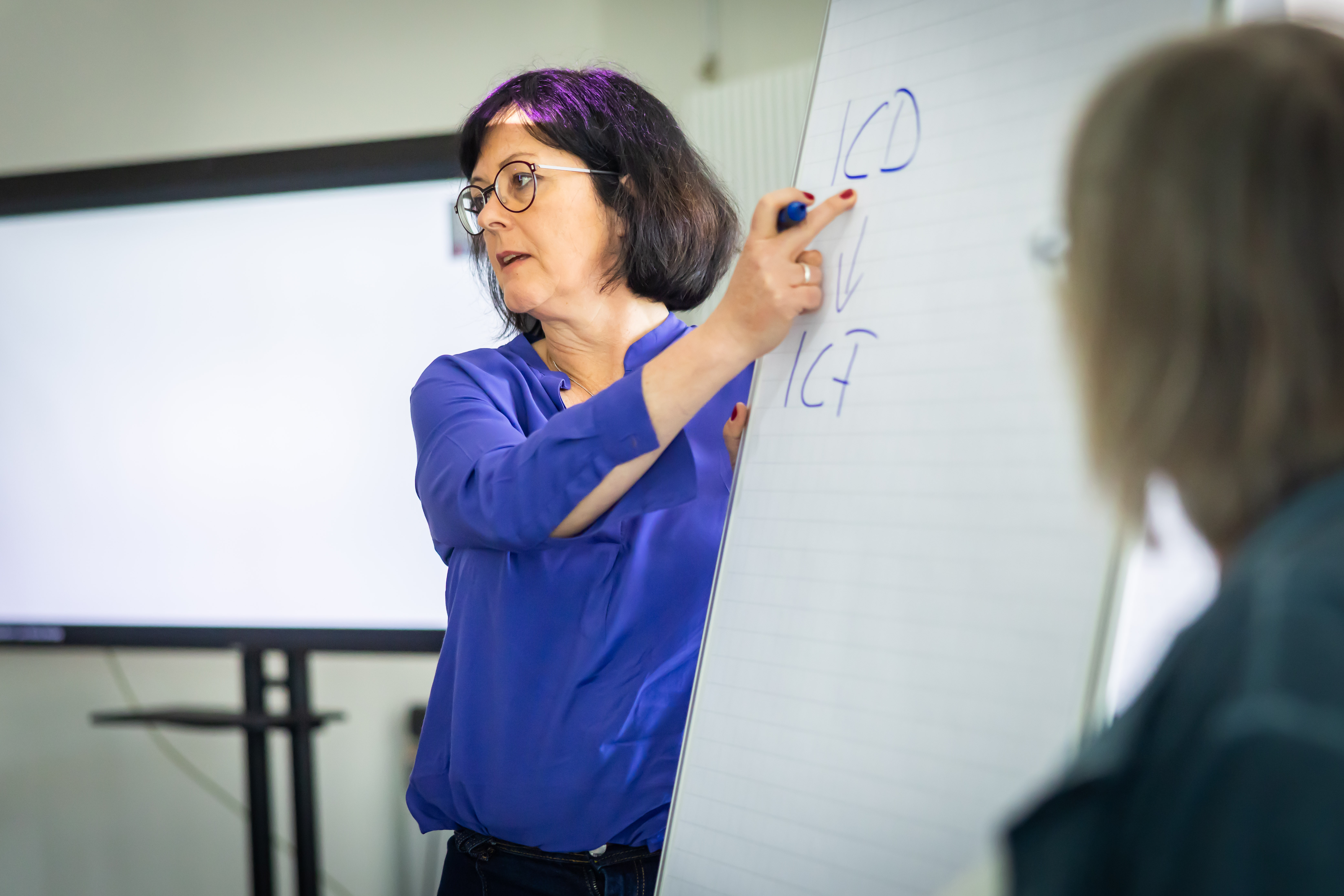
© Universität Bielefeld/ Sarah Jonek 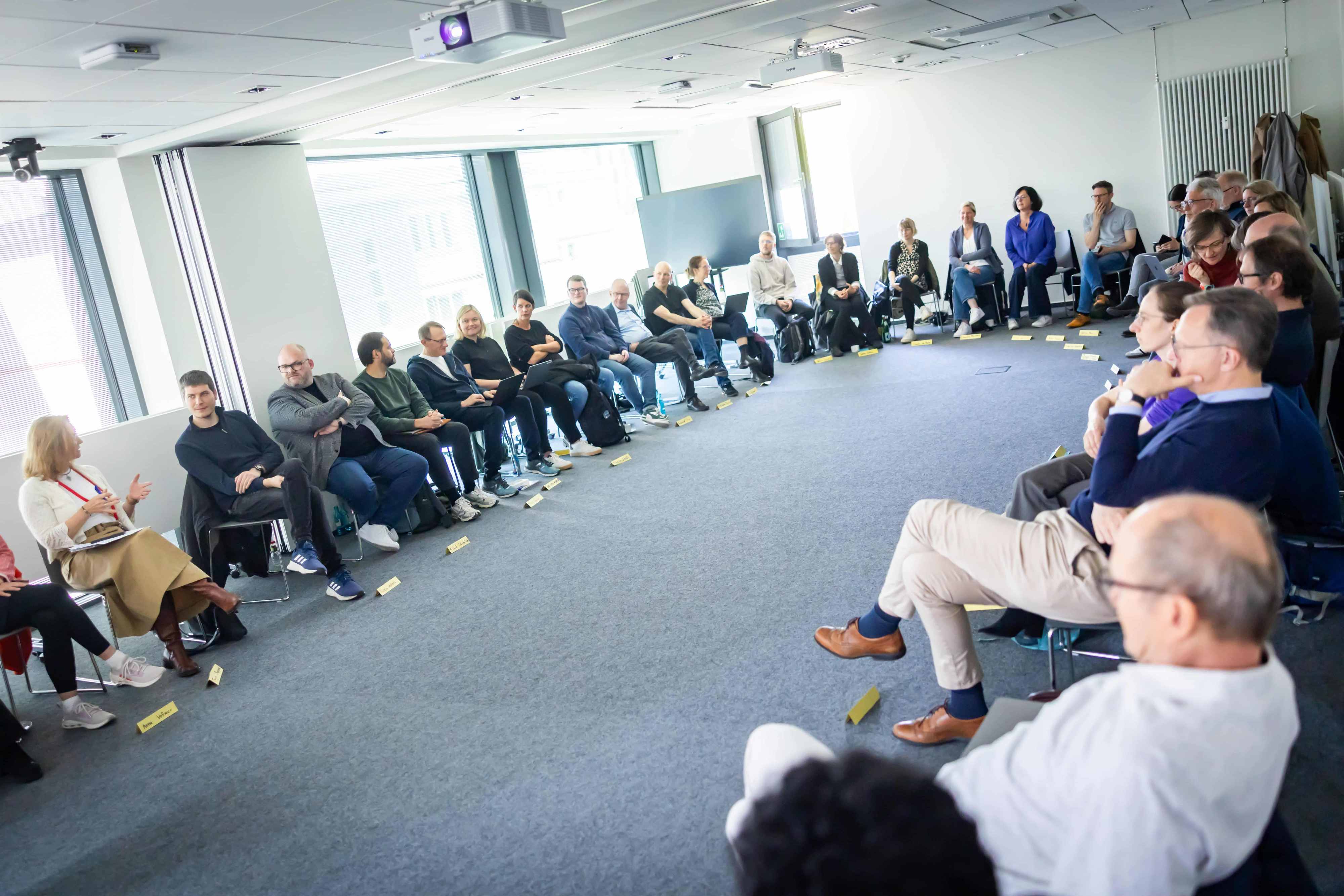
© Universität Bielefeld/ Sarah Jonek 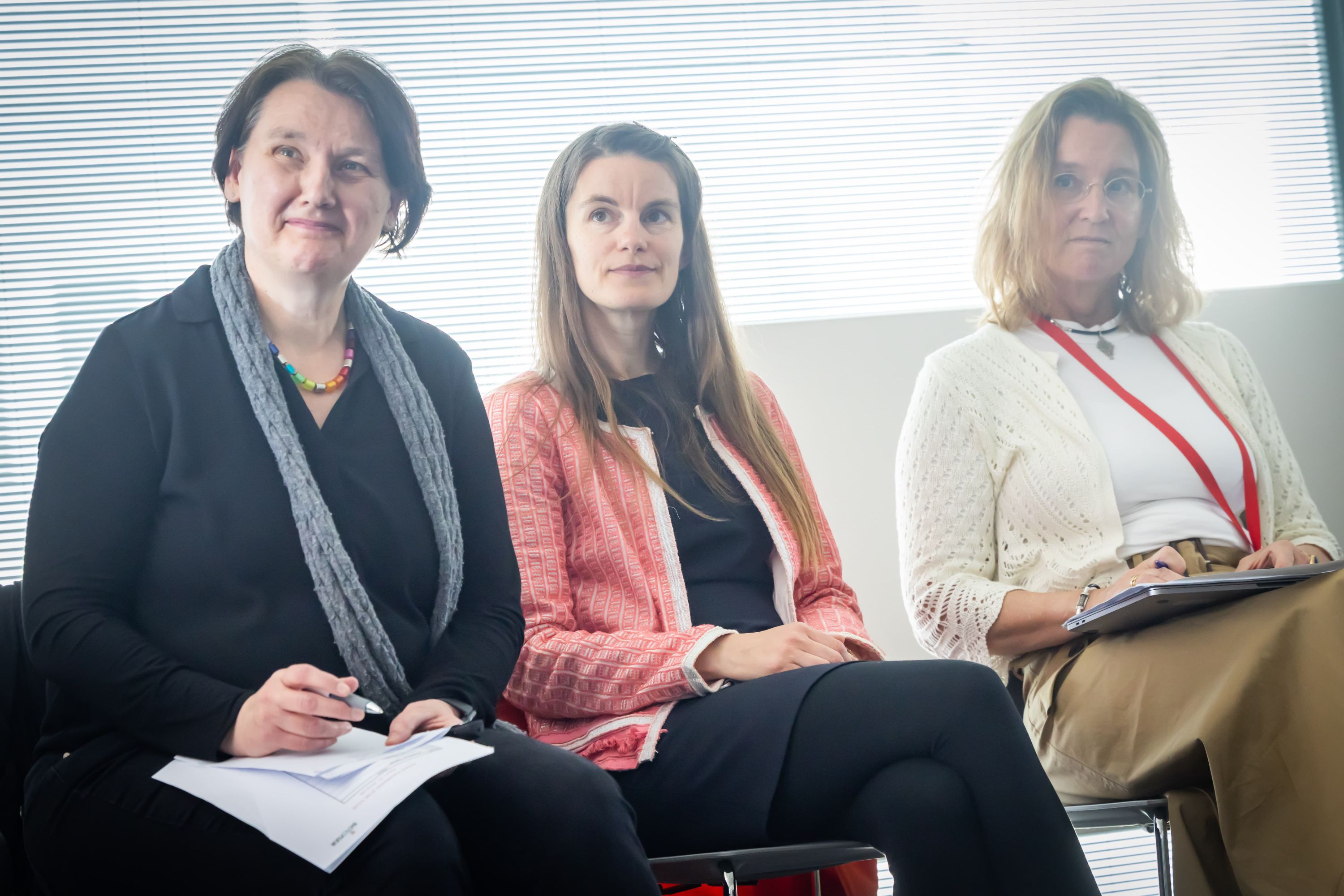
© Universität Bielefeld/ Sarah Jonek 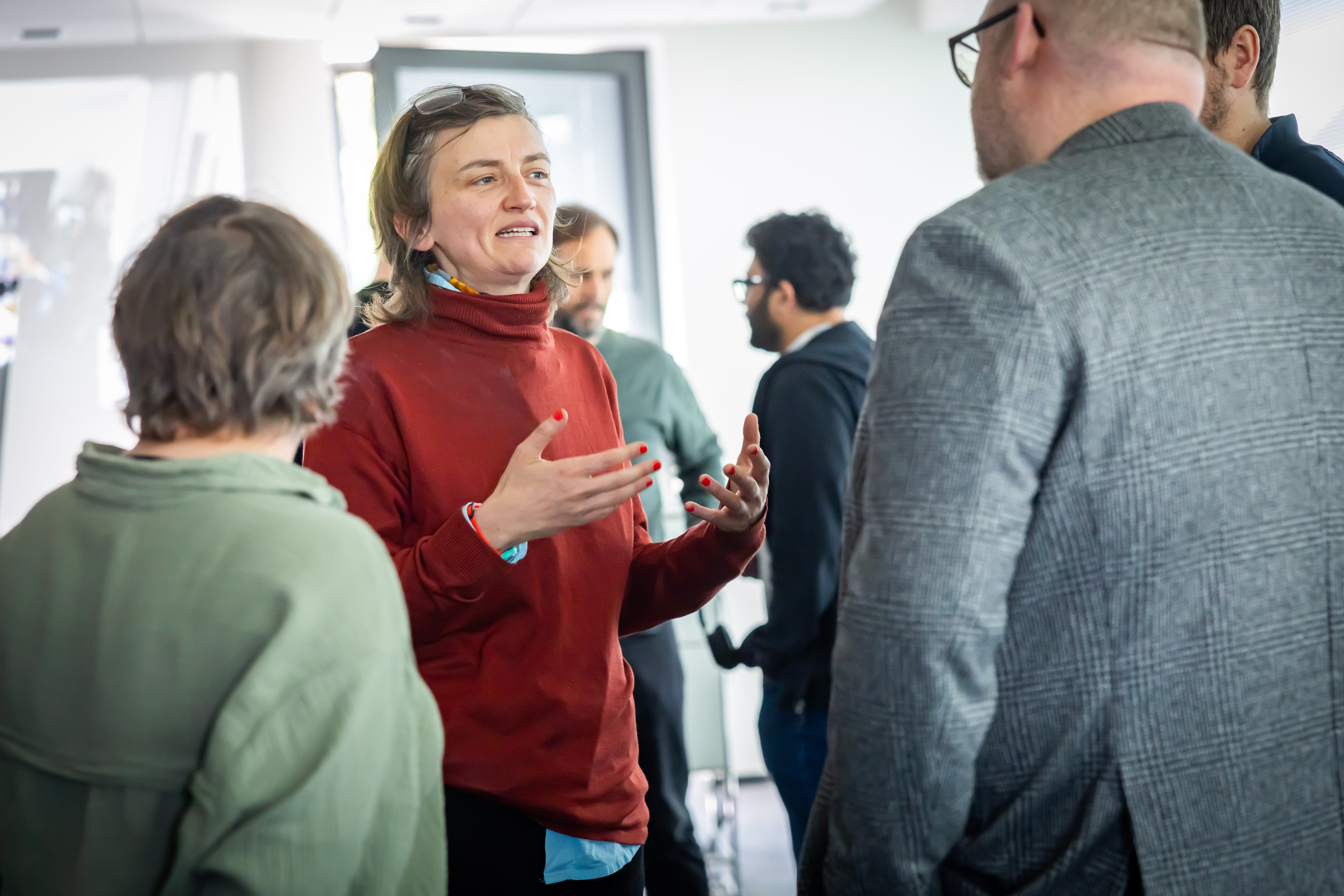
© Universität Bielefeld/ Sarah Jonek 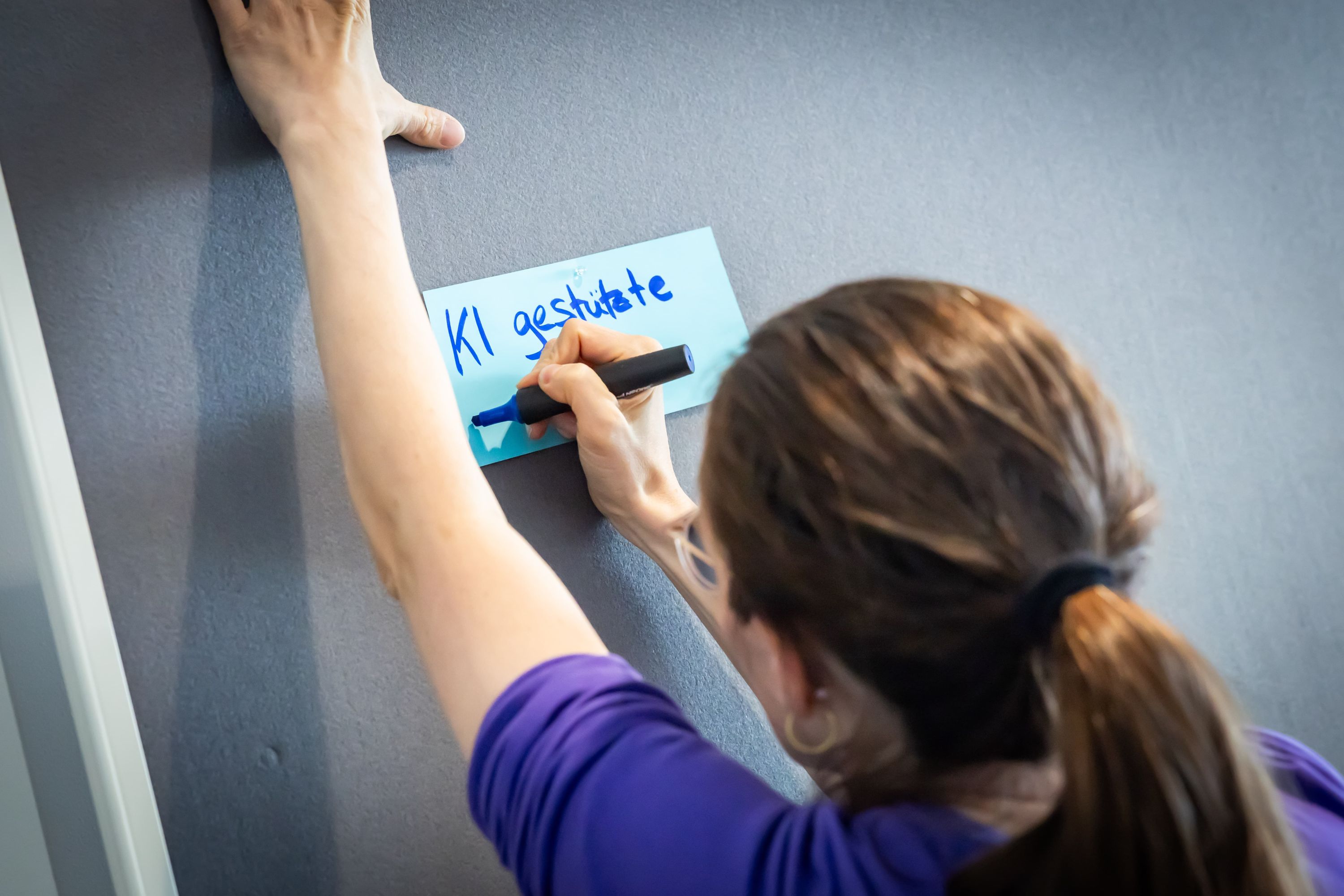
© Universität Bielefeld/ Sarah Jonek 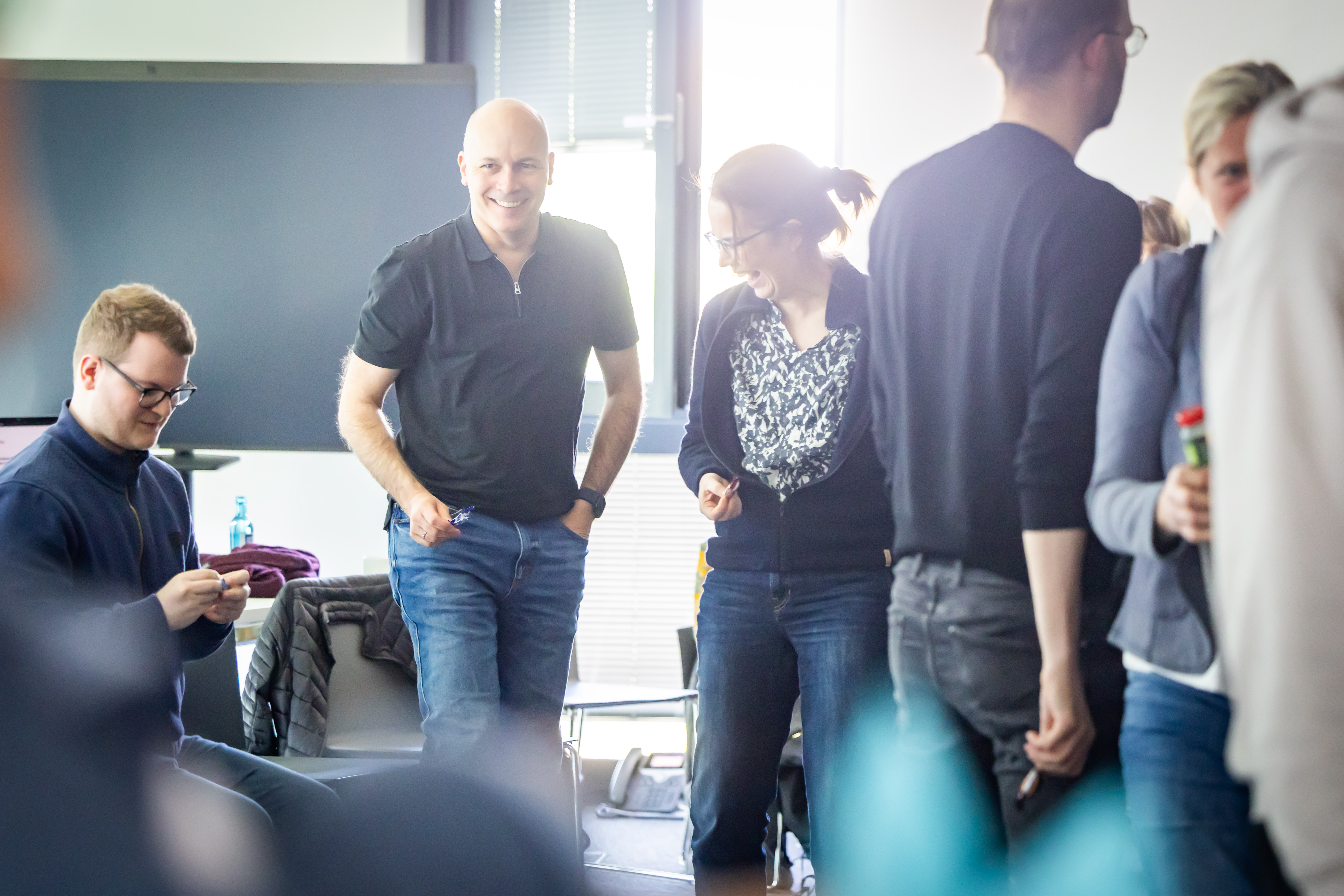
© Universität Bielefeld/ Sarah Jonek 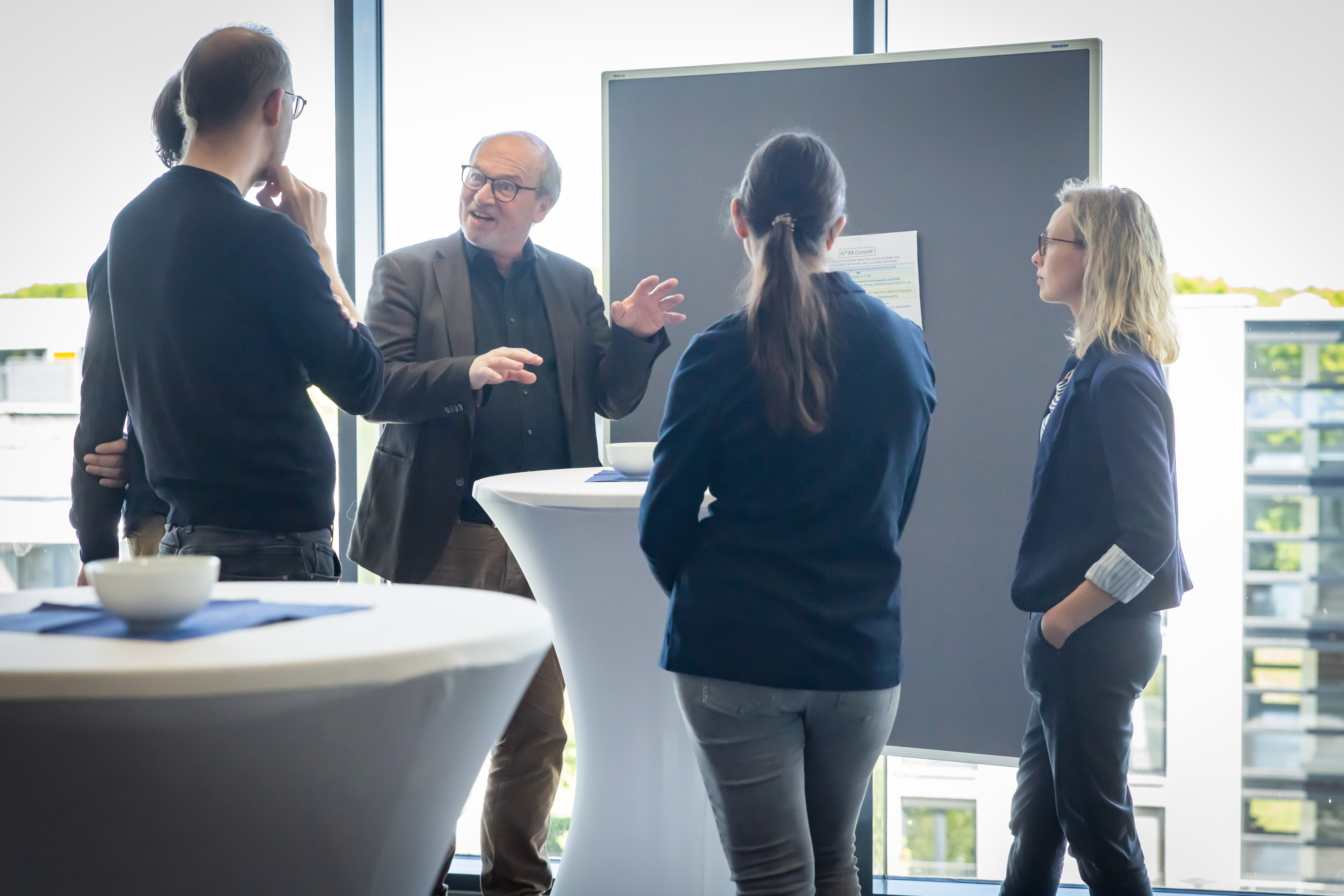
© Universität Bielefeld/ Sarah Jonek 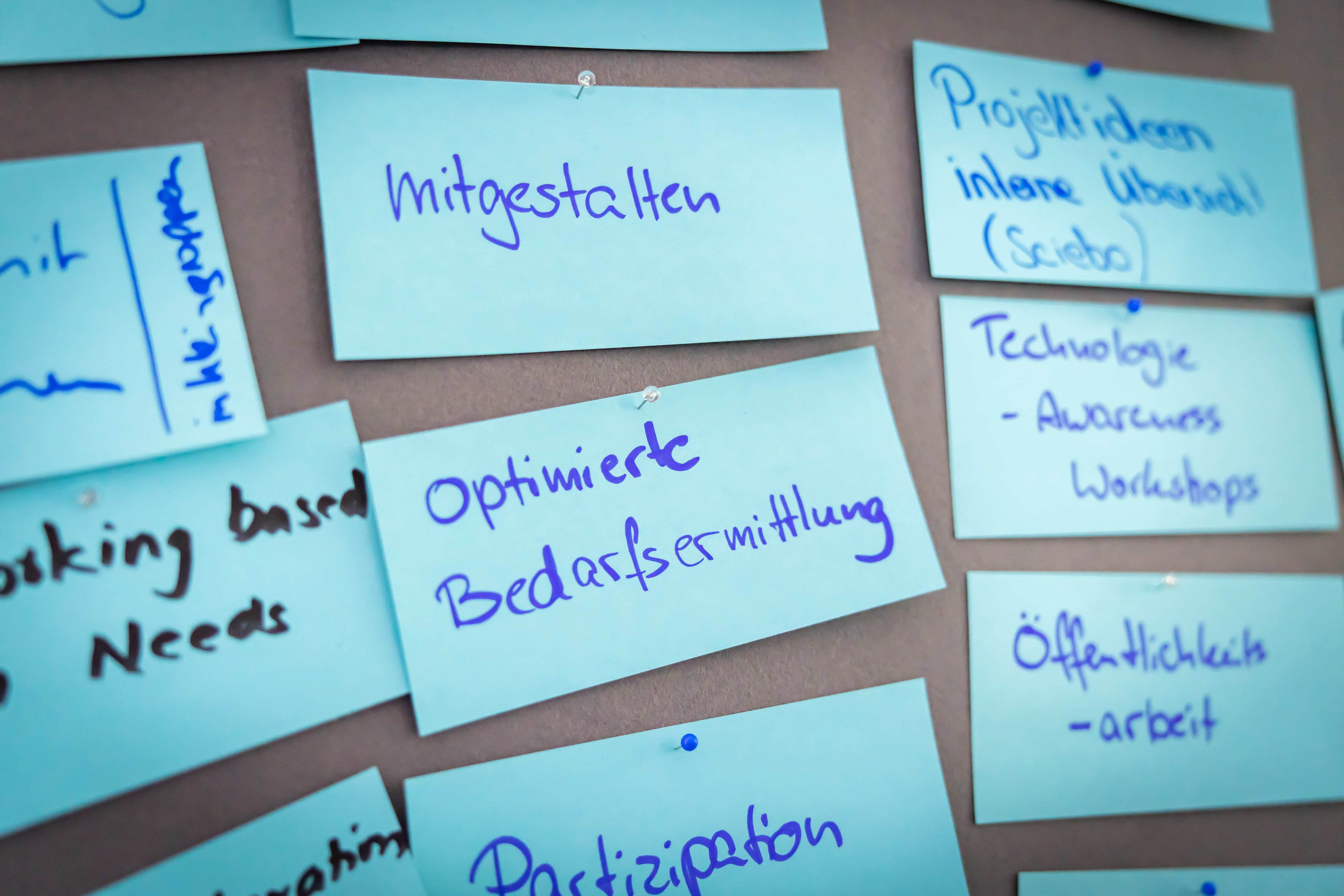
© Universität Bielefeld/ Sarah Jonek
Kontakt
Ansprechpersonen
Prof. Dr.-Ing. Britta Wrede (Sprecherin)
Prof. Dr. med. Claudia Hornberg (Sprecherin)
Prof. Dr. med. Tanja Sappok (Sprecherin)
Prof. Dr.-Ing. Anna-Lisa Vollmer (Sprecherin)
E-Mail: aiim@uni-bielefeld.de