AI*IM







Current Projects


Completed Projects


Medical & Clinician Scientist Research Centres
"Outpatient and trans-sectoral care for people with disabilities and chronic illnesses"
As part of the Medical & Clinician Scientist Kolleg (MeCS-Kol), scientific questions on transsectoral and outpatient care are addressed in four thematic pillars. Twelve fellows at different career stages (doctoral students, postdocs/clinician scientists) and from different areas of expertise and professions will work together on interdisciplinary and cross-sectoral projects as part of the programme. Joint qualification programmes and events are intended to exploit synergies and enable interdisciplinary cooperation.


DigiDi – Digital Diagnostics
A combined diagnostic approach for people with established cognitive communication impairments
This project is a collaboration between Bielefeld University and the University of Cologne and focuses on the development of a diagnostic procedure for people who have developed a cognitive communication disorder (CCD) as a result of brain damage. These disorders can make it difficult for those affected to reintegrate into everyday life, yet they often remain undiagnosed. This project therefore aims to introduce an innovative diagnostic procedure to fill this research gap.
The diagnostic procedure, with the name Commbi (Cologne-Bielefeld Communications Assessment Combined), comprises two distinct components: the Patient-Reported Outcome Measure (PROM), which involves a self-assessment by those affected using standardised methods, and FUNC, a VR-based, function-oriented procedure for assessing everyday communication skills.
The project has been in its next phase since October 2026 and is now working under the name DigiDi 2.0 on finalising and clinically testing the diagnostic procedure.
More detailed information about the project, its objectives and implementation can be found here on the University of Cologne’s website.
Project SFB/TRR 318 B05
Co-constructing explainability with an interactively learning robot
SFB/TRR 318 B05
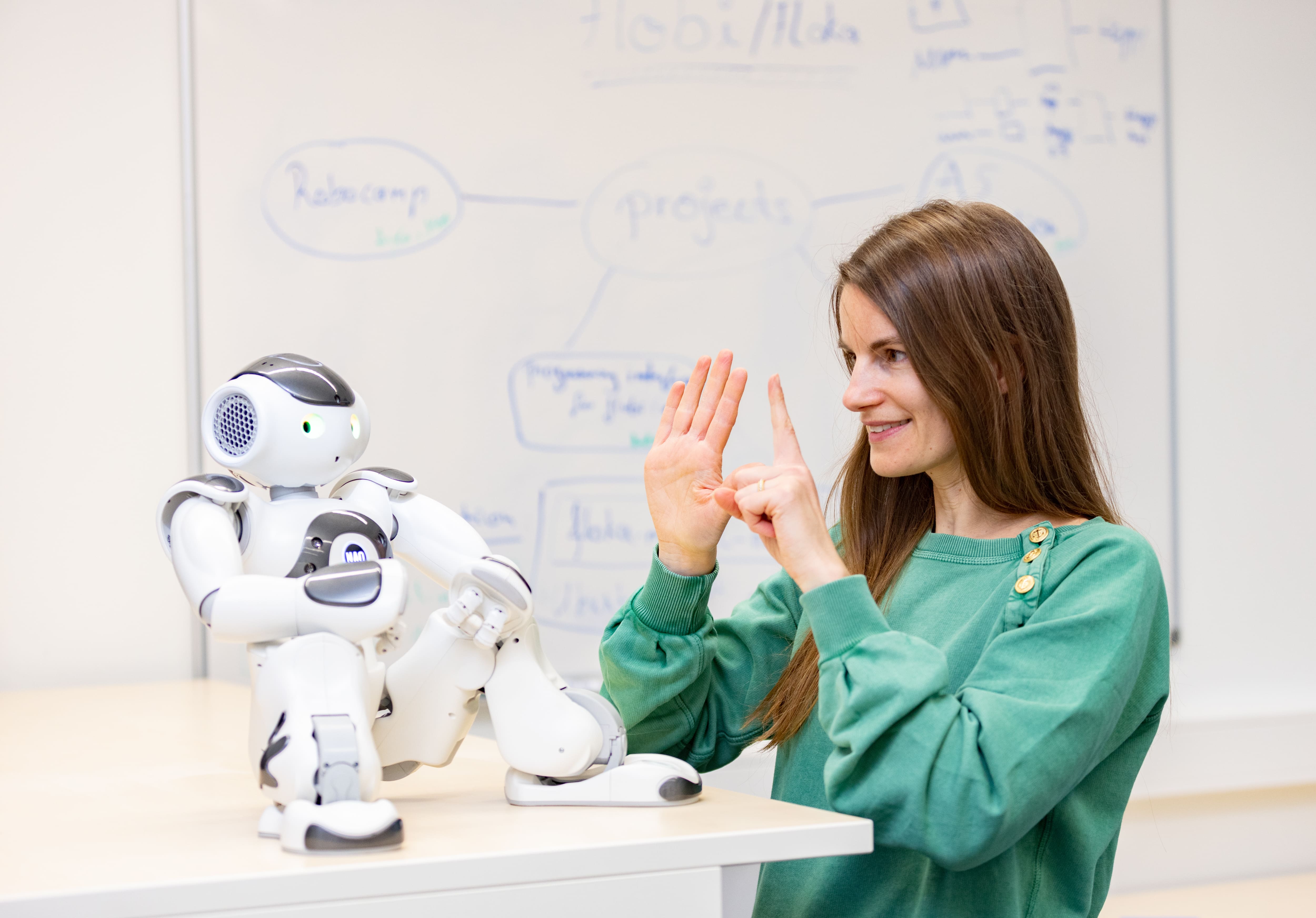
Project B05 investigates co-constructive explainability in interactive robot learning, focusing on the dual loop of training and understanding. In this approach, humans train a robot (training loop) whilst simultaneously developing an understanding of its learning behaviour (understanding loop). Explanations are not provided separately, but emerge during the interaction, thereby enabling continuous alignment between the humans’ mental models and the system’s behaviour.
Building on earlier work on the underlying architecture, we are developing a dynamic explanation model that structures relevant concepts, background knowledge and explanatory processes. This model supports adaptive ‘scaffolding’ (didactic support) that is tailored to the context of use and the user’s evolving understanding.
More detailed information about the project and its research can be found here.


BioDia@ASS
Avatars in emotion research among patients with mental health conditions
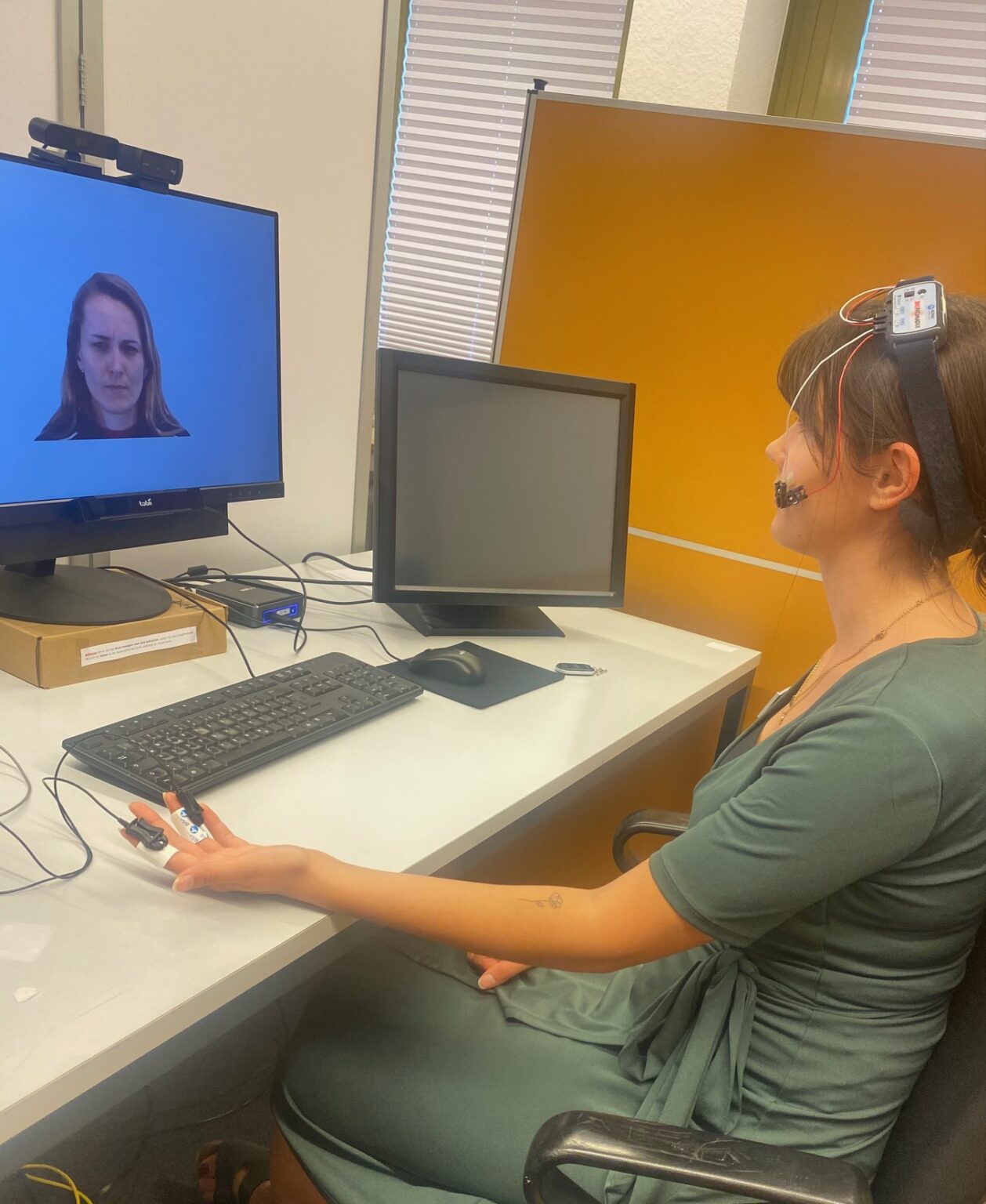
This project is investigating patients with social anxiety disorder (SAD) and schizophrenia, as well as autism spectrum disorder (ASD). The research focuses on the social interaction of people with mental health conditions, and specifically on their potentially impaired perception of social cues that are necessary for communication and interaction with others. We hypothesise that impaired social interaction in patients with mental health conditions stems from impaired perception, processing and imitation (mimicry) of body signals. We measure marker signals for social interaction during interactive tasks (emotion recognition, trust/investment game): facial muscle movements using electromyography (EMG), pupil dilation, facial blushing and skin conductance of the participants (to measure emotional acitvation levels).
The focus of this talk is on interaction with avatars in a virtual environment, which allows for the manipulation of social signals and the precise, real-time measurement of reactions to them. The research aims to identify the theoretical foundations of social interaction and to test new theories on the relationship between bodily signals and the formation of bonds; in the long term, however, it also aims to improve the way patients are cared for and to train their social interaction skills.
For more detailed information, please click on this link.
GAZE-AID
Improving the diagnosis of ADHD in people with intellectual disabilities
Attention-deficit/hyperactivity disorder (ADHD) is often overlooked or misdiagnosed in people with intellectual disabilities (ID). Conventional diagnostic methods, such as self-reports and external assessments, are often unreliable in this population group, as cognitive limitations, communication barriers and symptoms that overlap with other conditions make diagnosis difficult. As a result, many affected individuals remain undiagnosed or receive inappropriate treatment, leading to significant challenges in everyday life.
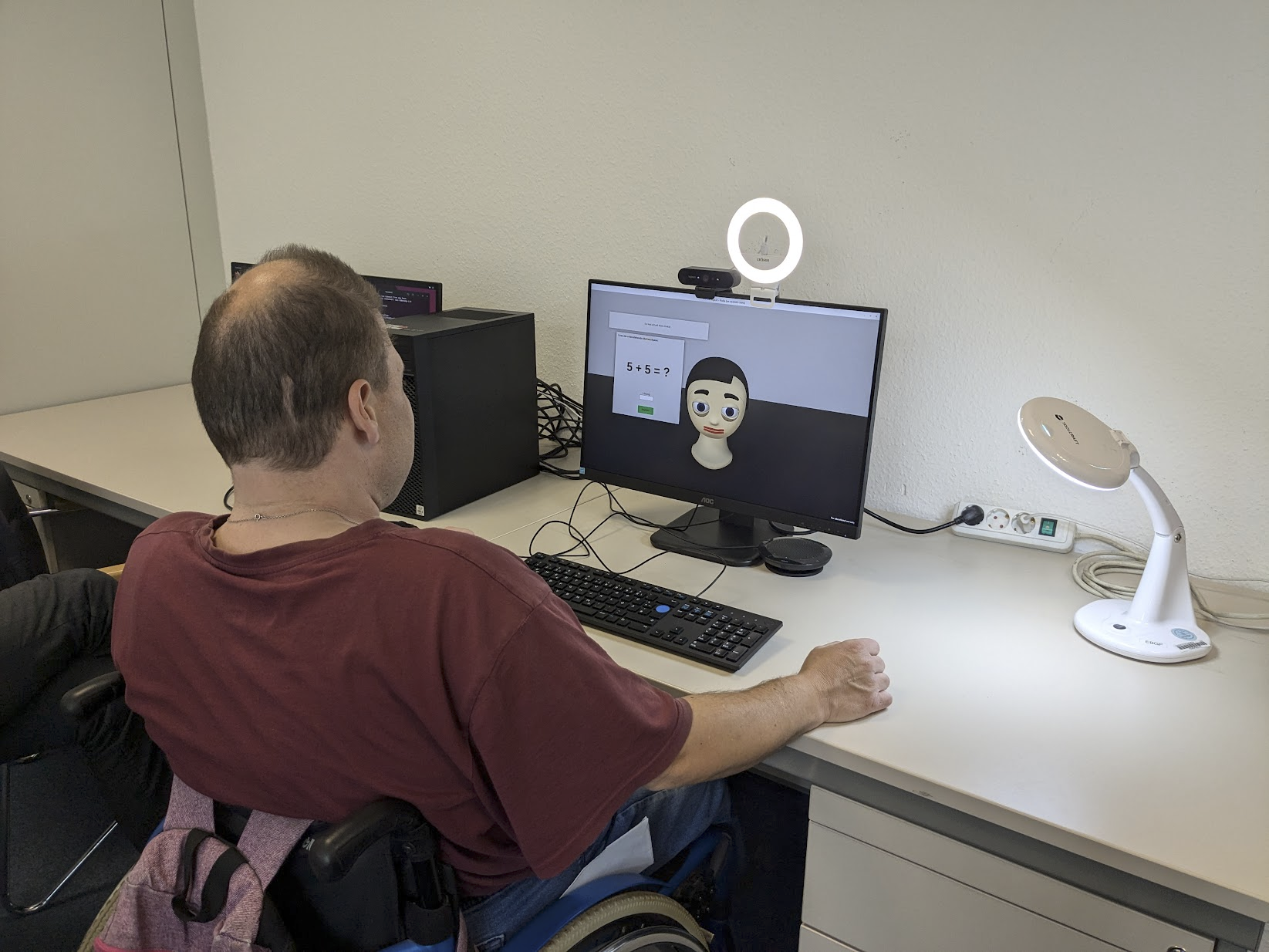
To address these challenges, GAZE-AID is developing an innovative, technology-based approach to ADHD diagnosis. In collaboration between the University Clinic for Inclusive Medicine and the Medical Assistance Systems Research Group, this research project aims to integrate eye-tracking technology into the diagnostic process. Our aim is to develop a diagnostic tool that is accurate, accessible and tailored to the needs of people with ADHD. By providing a more reliable method for assessing ADHD symptoms, GAZE-AID can enable more targeted treatments, reduce the risk of overmedication and, ultimately, improve the quality of life for those affected. In the long term, our research could pave the way for wider application of eye-tracking technology in neurodevelopmental and psychiatric disorders, thereby optimising diagnostic standards and individualised care.
More detailed information about the project can be found here.


PRIMI
Performance in Robot Interaction via Mental Imagery
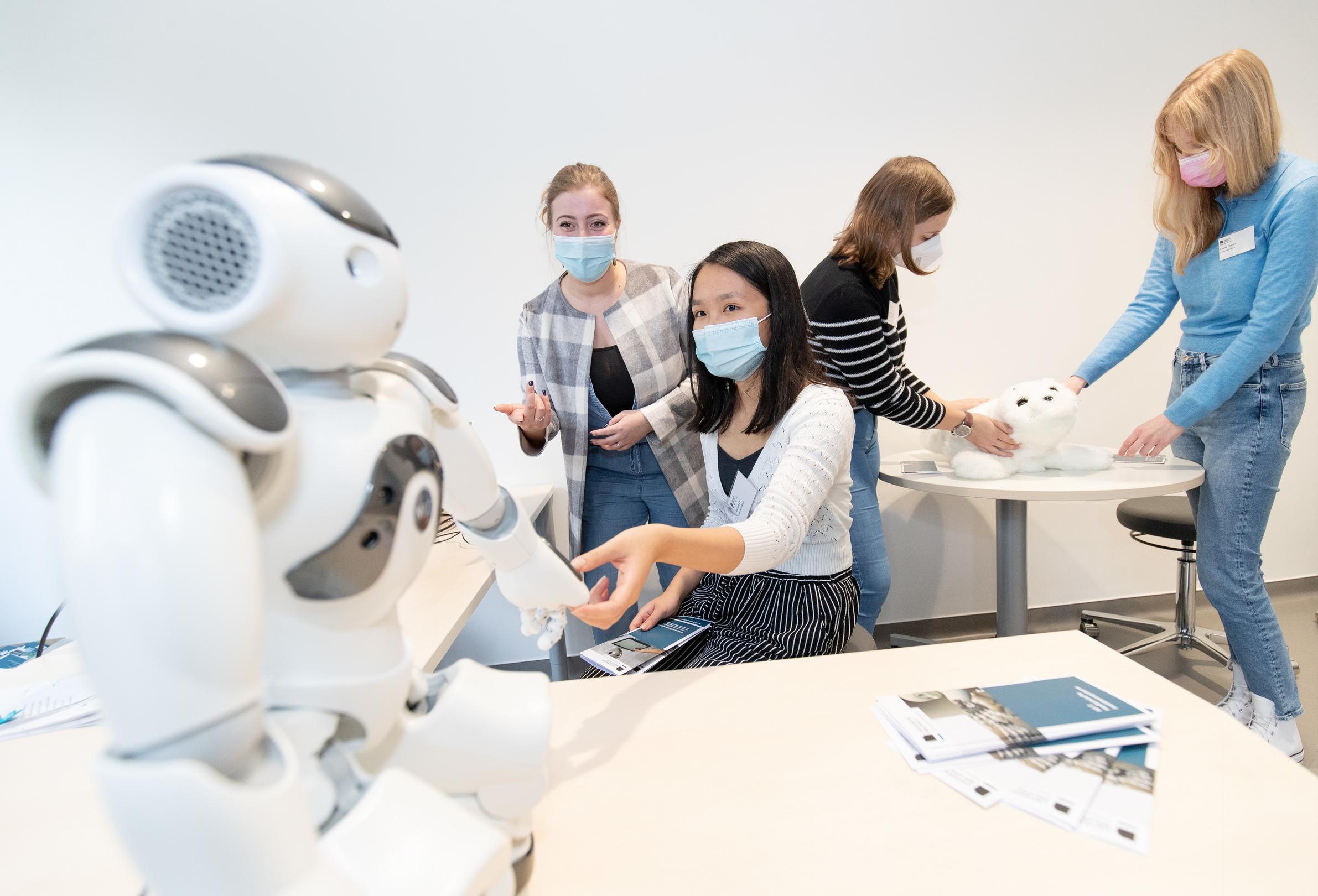
PRIMI is developing the next generation of personal robotic systems that can move autonomously in a variety of environments, interact safely and effectively with people, and adapt their behaviour flexibly to open-ended, dynamic situations. To this end, robots are designed to predict changes caused by human actions, understand human activities and carry them out whilst taking their own capabilities and limitations into account. Existing AI and robotics approaches are insufficient for this purpose, as they lack, in particular, the integrated development of ‘body’ and ‘mind’, as well as scalable, energy-efficient computing and sensor technologies.
PRIMI therefore combines neurophysiology, psychology, machine intelligence, cognitive mechatronics, neuromorphic technology and humanoid robotics. The aim is to develop models of higher cognitive abilities such as mental imagery, abstract thinking and theory of mind, combined with energy-efficient event-based processing and sensor technology. This should enable socially interactive robots to act more autonomously, quickly, safely and precisely, as well as to learn and adapt in real time. As a proof of technological feasibility, prototypes of neuromorphic humanoid robots are being tested in clinical pilot studies on robot-assisted physical rehabilitation for stroke patients.
To find out more about PRIMI, please follow this link.
VR*IM
Virtual Reality for Inclusive Medicine
Medical examinations and treatments can be a considerable strain for people with intellectual disabilities or brain injuries. Unfamiliar surroundings, complex procedures and communication barriers can heighten anxiety and make it difficult to access medical care. The VR*IM project addresses this issue by using virtual reality to prepare patients for medical situations in an accessible, understandable and supportive way.
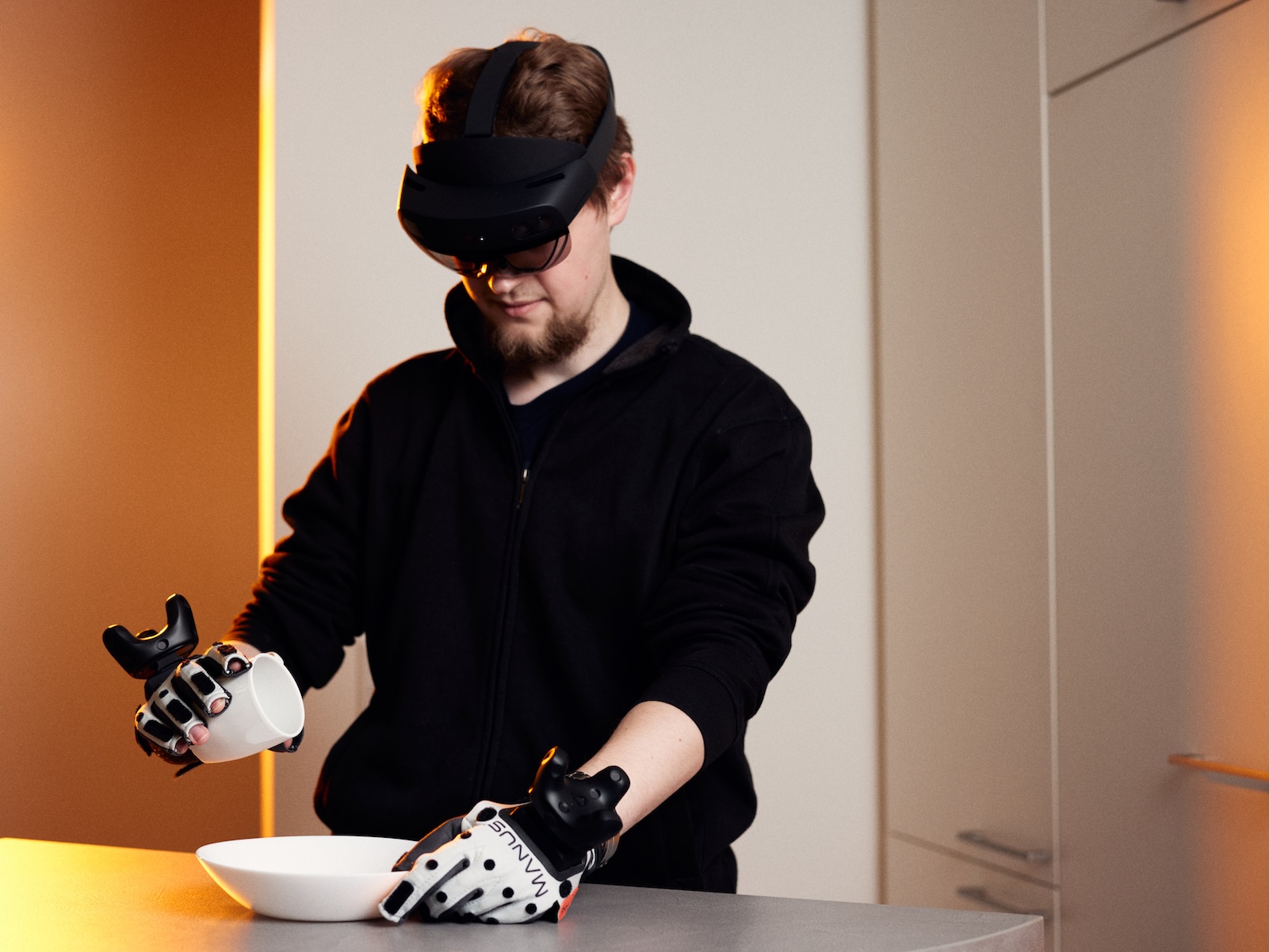
In interactive VR scenarios, patients can explore medical environments, familiarise themselves with procedures step by step and practise appropriate coping strategies. For example, a blood test can be experienced virtually even before the actual procedure takes place. This reduces uncertainty, boosts a sense of security and promotes self-efficacy. A key objective is to empower patients and encourage their more active involvement in their own care. Through a participatory design approach involving patients, doctors and researchers, VR*IM aims to help reduce stress and make healthcare more inclusive and accessible.
Further information can be found here


BRAVO
Assistive Technology Advice Centre
The aim of the BRAVO pilot project was to set up an advisory centre for assistive technologies in Bethel. The centre was designed to provide personalised support to people with disabilities, helping them to find suitable technical aids for their everyday lives and to use these independently and effectively. In particular, this was intended to enhance users’ digital and social participation, as well as their independence. The project, funded by the NRW Welfare Foundation, was implemented jointly by Bethel.regional, Bielefeld University of Applied Sciences and Bielefeld University.
The focus was on person-centred advice that took into account not only the technical characteristics of an aid, but above all the individual needs, abilities and living conditions of the users. In this regard, Bielefeld University investigated two areas in particular: the usability of assistive technologies and the question of how their functioning can be explained in a way that is easy to understand. In the area of usability, research was carried out into how people with disabilities evaluate the selected assistive systems and which factors determine whether these can actually be used in everyday life. The findings were systematically collated and made available in a publicly accessible database. Furthermore, the project investigated which cognitive and social factors are relevant to ensuring that assistive technologies are explained in a way that is easy to understand. On this basis, new explanatory strategies for AI-based systems and interactive approaches to advising people with disabilities were developed.
Further information and contact details can be found here.
GOOD
Analysis of the current living situation of people with cognitive impairments and challenging behaviours in North Rhine-Westphalia, focusing on the areas of independent living and inclusion in the community, well-being and (mental) health, and work and employment
The GUT project investigated the living, housing, employment and health situations of people with cognitive impairments and challenging behaviours in North Rhine-Westphalia, an area that had previously been under-researched. The focus was particularly on mental health, social participation, and work and employment. Using a multi-perspective and participatory approach, the views of those affected, their relatives, staff and other professionals were brought together to create a robust data foundation and to derive recommendations for the further development of care and support structures.
The aim of the project was to systematically assess the current living conditions of the target group in North Rhine-Westphalia using a combination of methods, including literature reviews, interviews, focus groups and a state-wide online survey. Quantitative and qualitative data were linked, and various stakeholder groups were involved. The findings were translated into practical recommendations for improving opportunities for participation and care provision, and were subsequently published in academic journals and at a closing event.
The focus was on people with cognitive impairments and behaviours that significantly impair their own quality of life or safety – or that of others – and which may lead to restrictive measures or isolation. These behaviours are understood as the result of bio-psycho-social interactions. In order to represent the target group as comprehensively as possible, data were collected, amongst other places, in specialised residential settings, sheltered workshops, psychiatric facilities and medical centres for adults with disabilities.
More detailed information can be found here


FRiMeL
Inclusive teaching in medical degree programmes
Inclusive medicine focuses on the holistic medical care of people with physical and/or intellectual disabilities. These may be congenital or acquired and are often accompanied by complex multiple disabilities. Due to the diverse range of health needs, there are close links with almost all medical disciplines.
In the reformed degree programme in Human Medicine at Bielefeld University’s Faculty of Medicine, students learn at an early stage to recognise typical clinical presentations in people with disabilities, to classify them using differential diagnosis, and to treat them appropriately. Particular emphasis is placed on accessibility, overcoming reservations about interacting with patients, and acquiring specific communication skills, for example through plain language, supported communication and developmentally-oriented treatment approaches.
A key element of the FRiMeL project was the integration of experts with lived experience as teaching staff. This enables students to experience a direct shift in perspective and provides insights from the patients’ point of view. In preparation, the teaching staff received pedagogical training from project staff and were specifically prepared for their roles as lecturers and for the respective teaching formats.
More detailed information and insights into the project’s work can be found here.
OptiKomm
Medical care for people with mild cognitive impairments and/or speech (developmental) disorders
The “OptiKomm” project aimed to improve communication between healthcare professionals and people with cognitive and/or speech impairments, thereby enhancing their care and participation in the healthcare system. The focus was particularly on medical history-taking, initial care and treatment decisions, as well as communication with doctors, nurses and other healthcare professionals.
The project was initially based on a comprehensive needs assessment drawn from literature reviews, interviews with experts and those affected, and an online survey of doctors. Building on this, a training programme for medical staff was developed to raise awareness of the target group’s needs and teach appropriate communication methods. Materials on supported communication were also produced to complement this. An inclusive advisory board was involved in the development. Finally, the training programme and support materials were trialled and evaluated in various healthcare settings.
Further information about the completed project can be found here.

