Interaktive Robotik in Medizin und Pflege

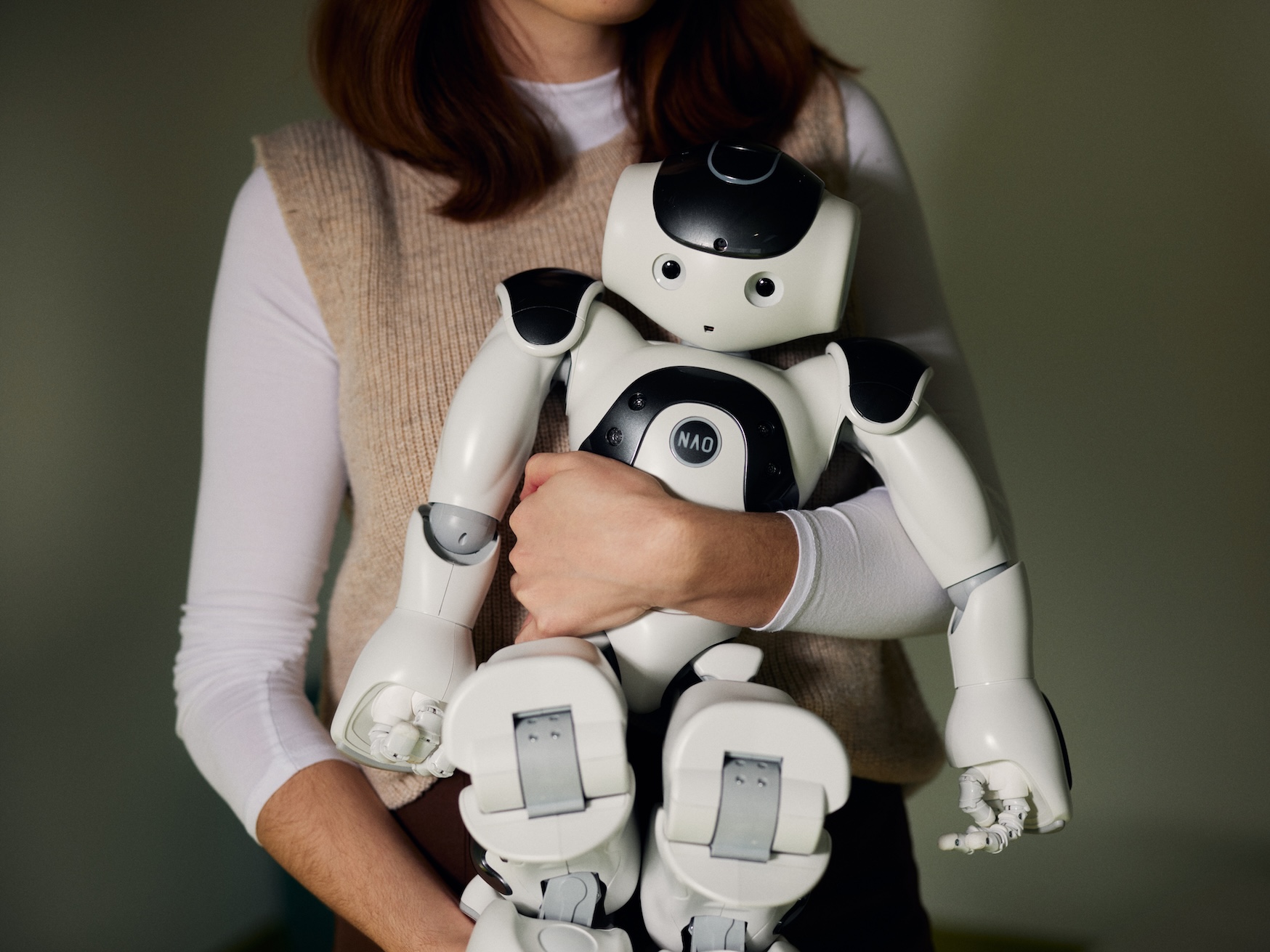
© Universität Bielefeld / Patrick Pollmeier

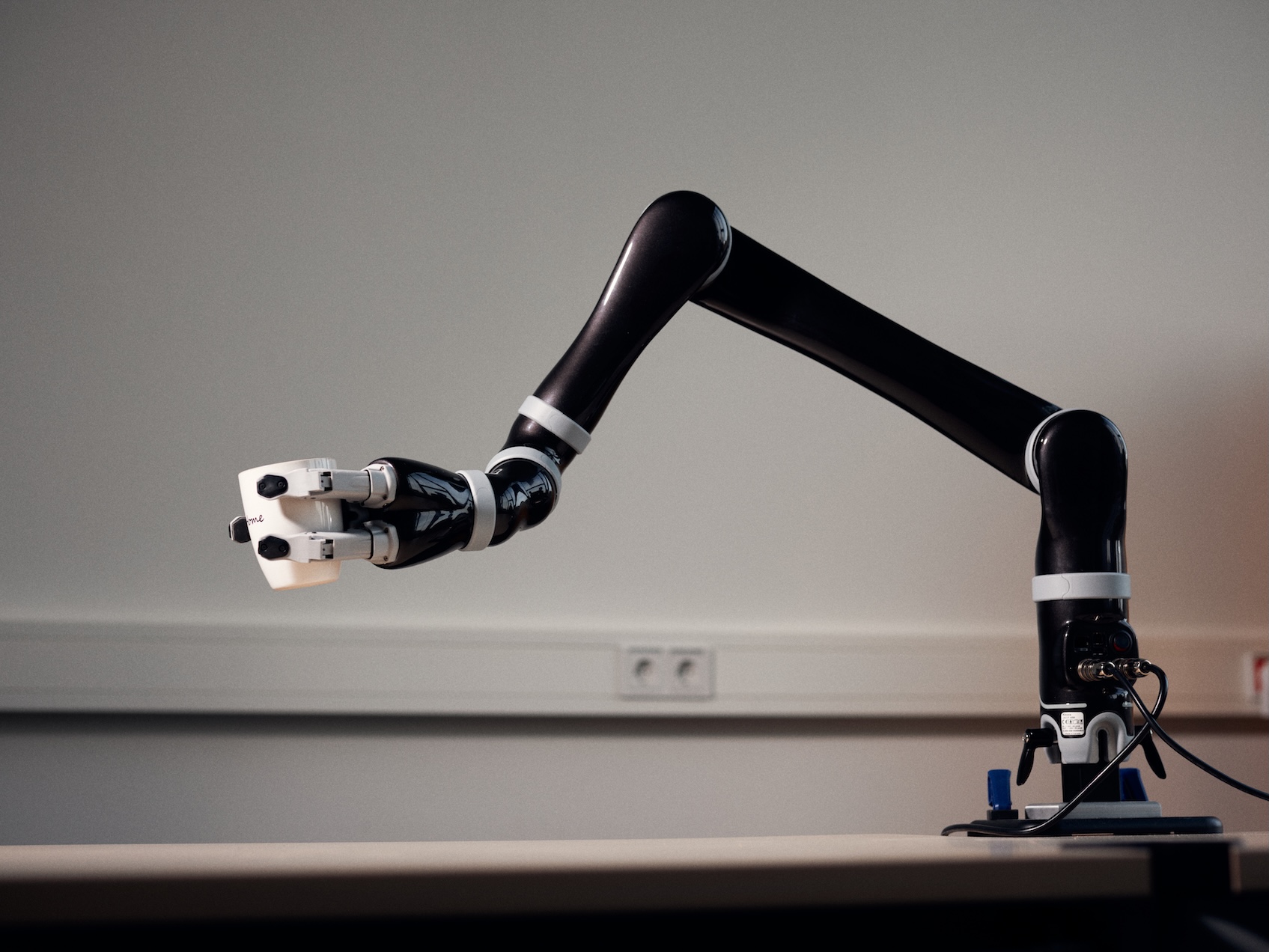
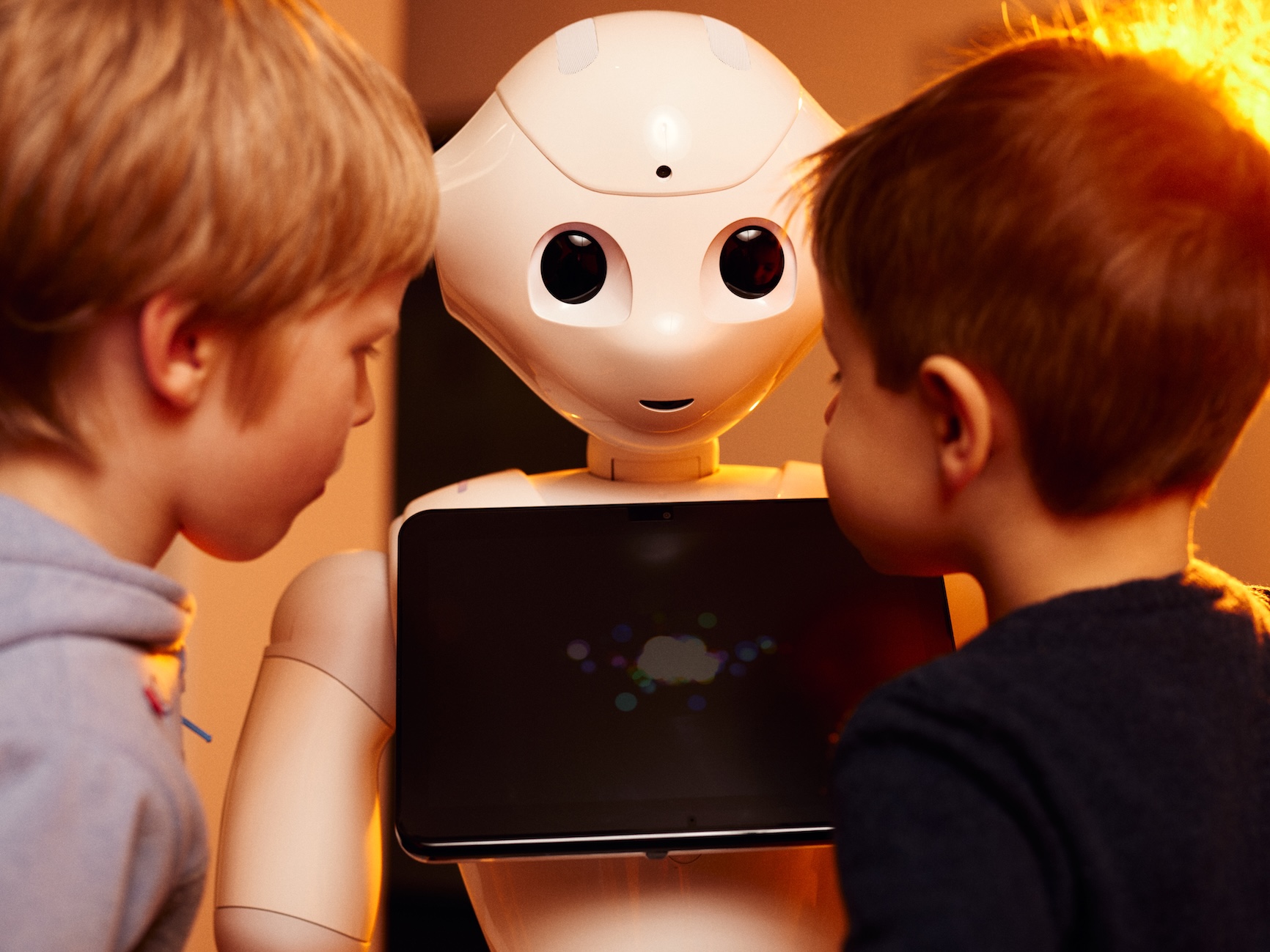
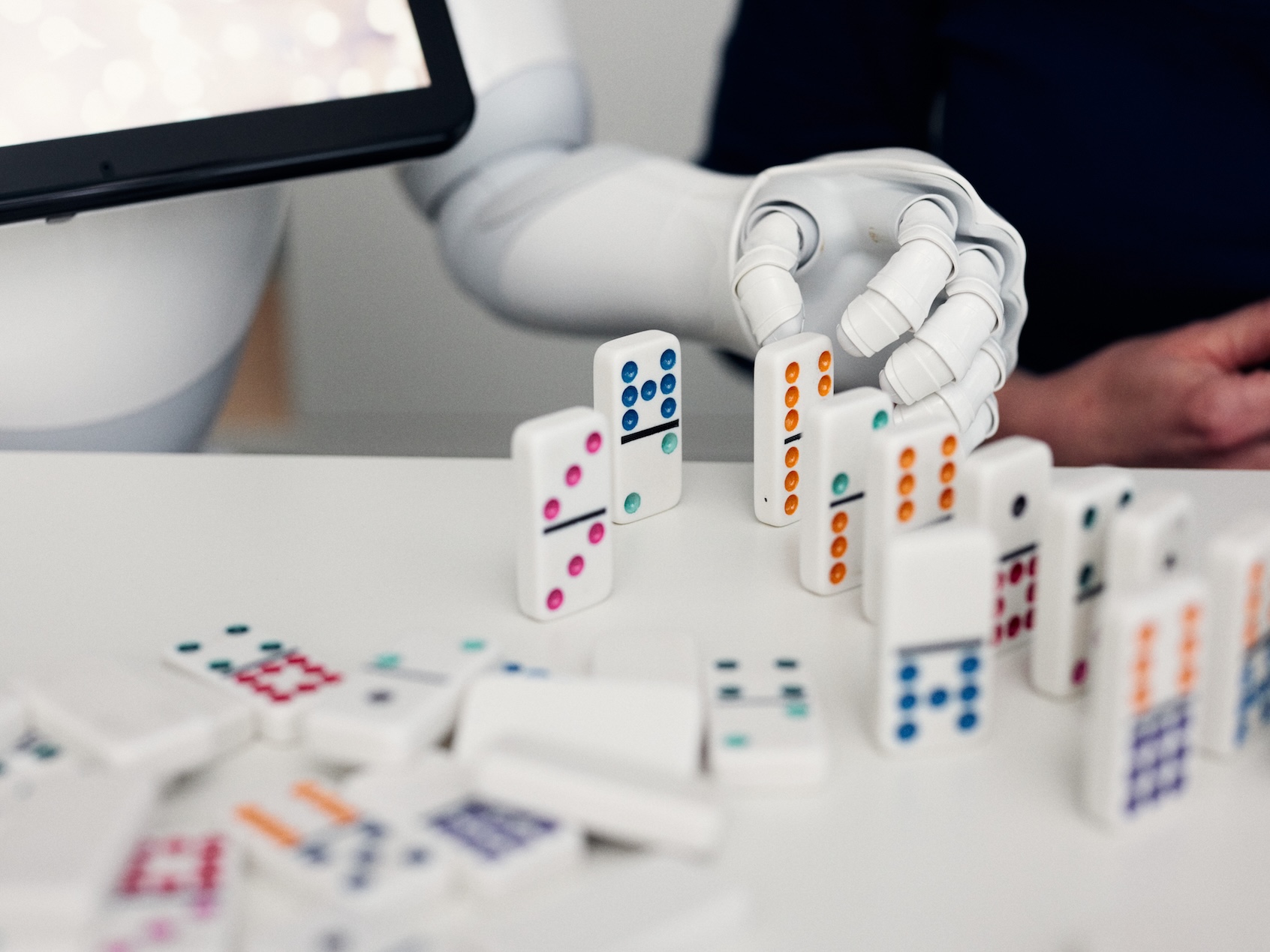
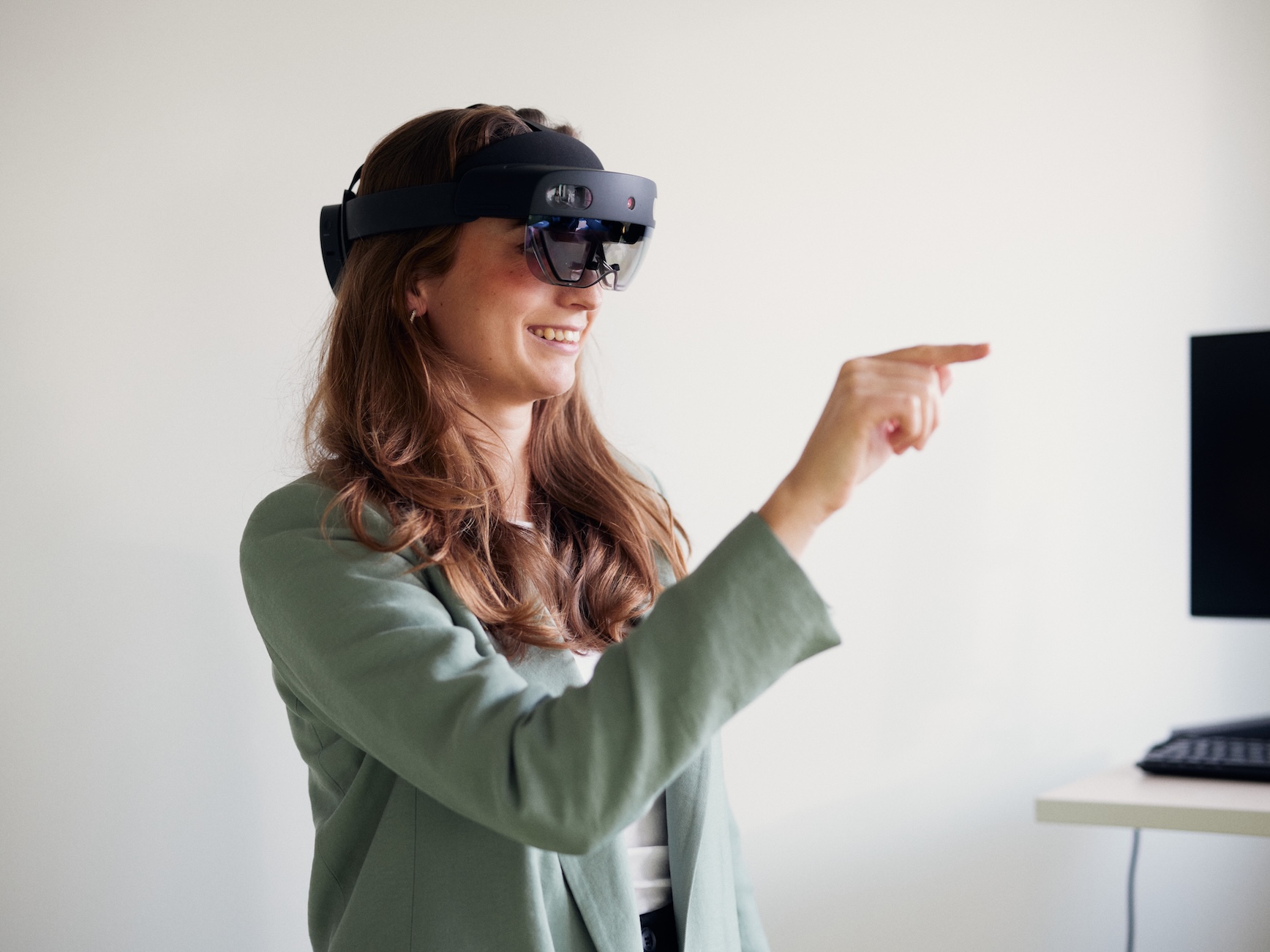
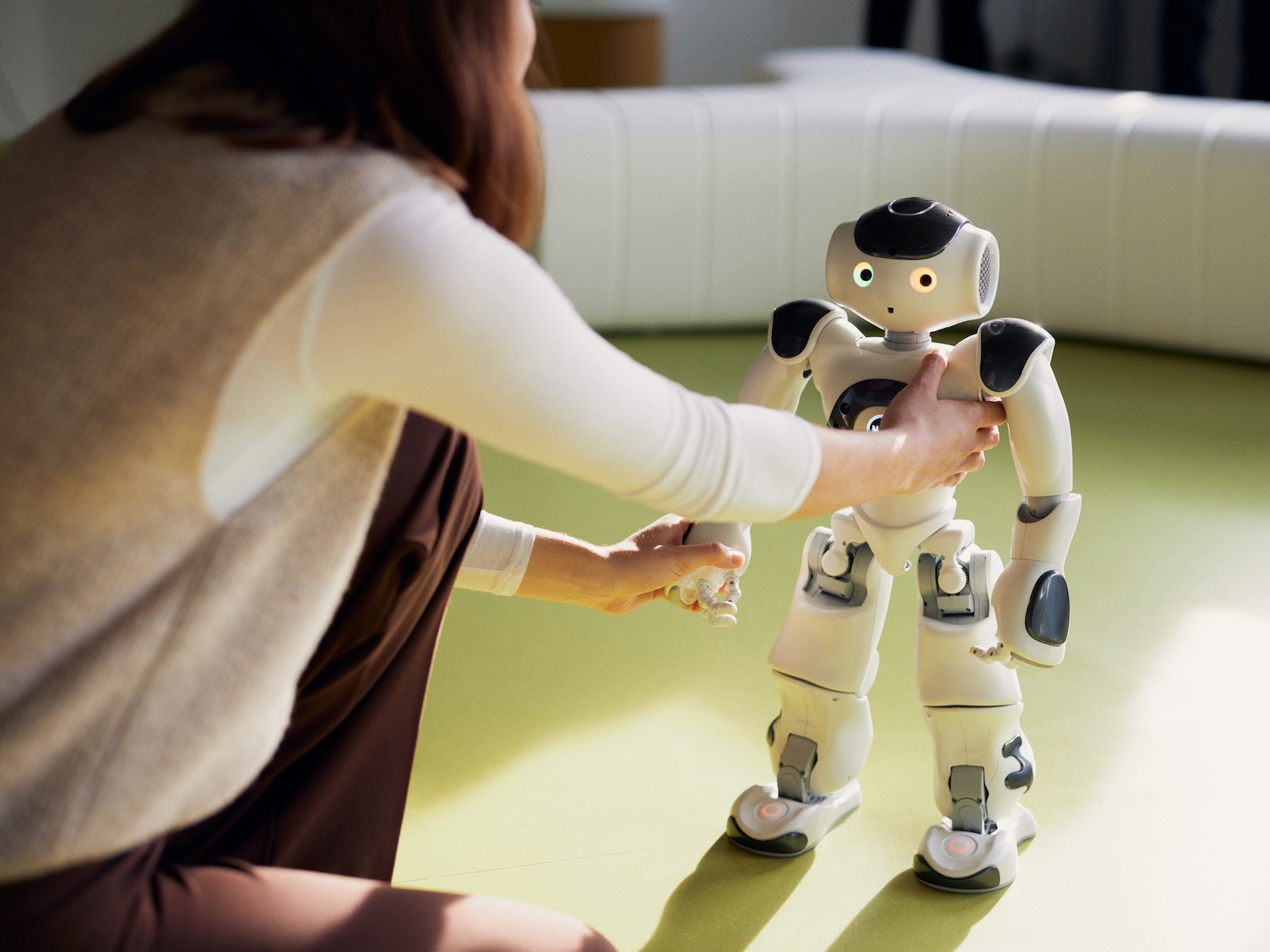
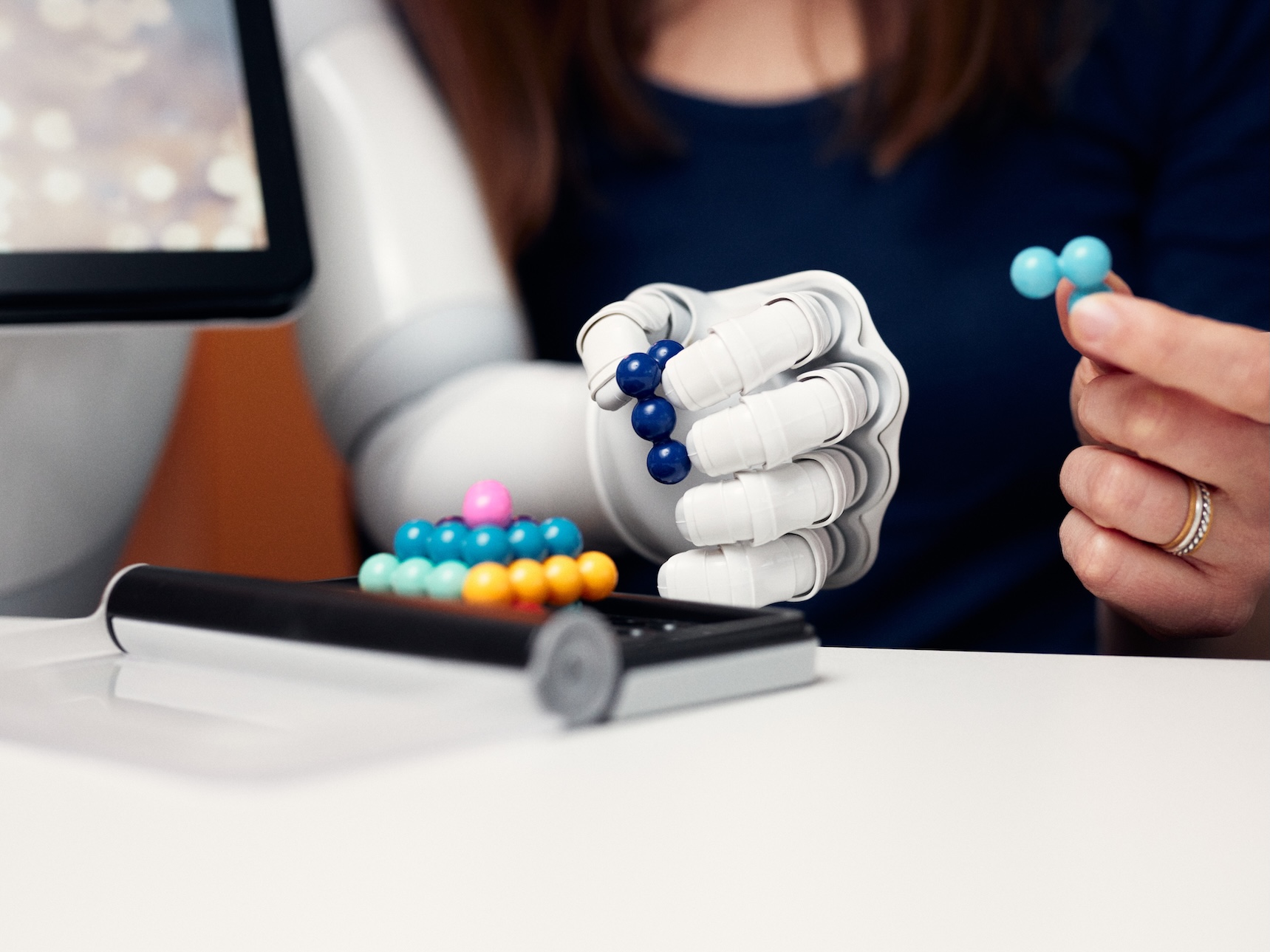
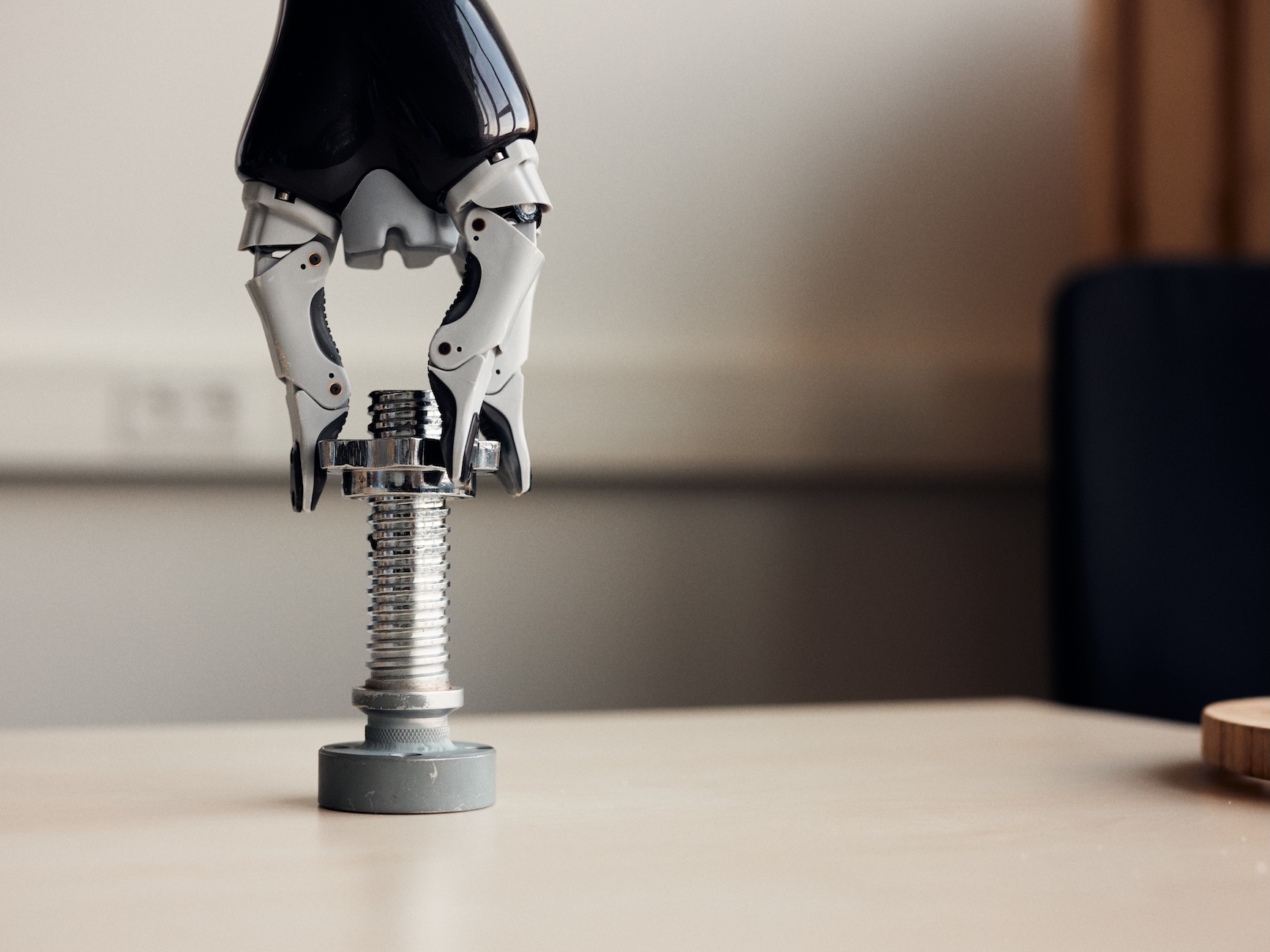
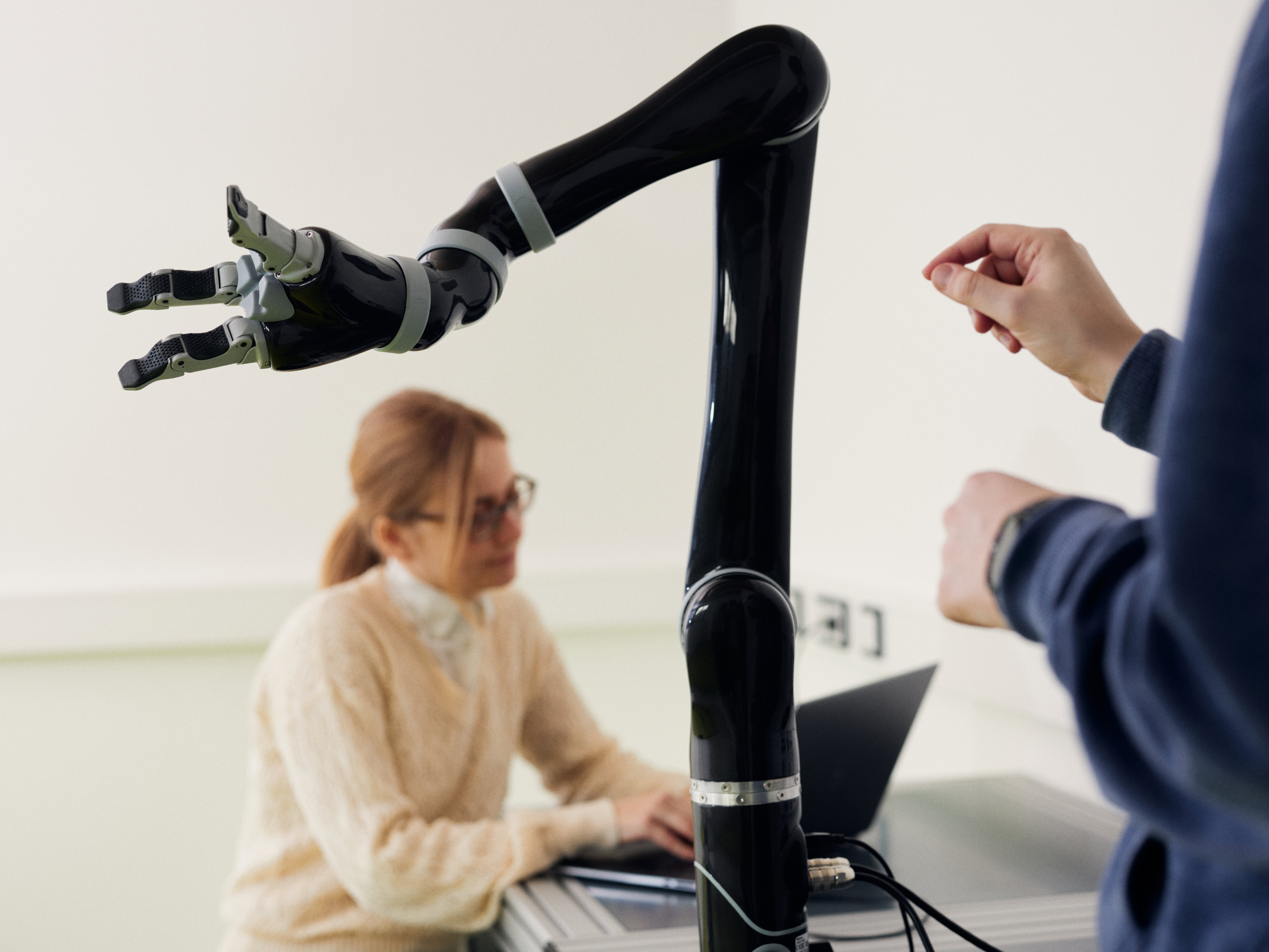
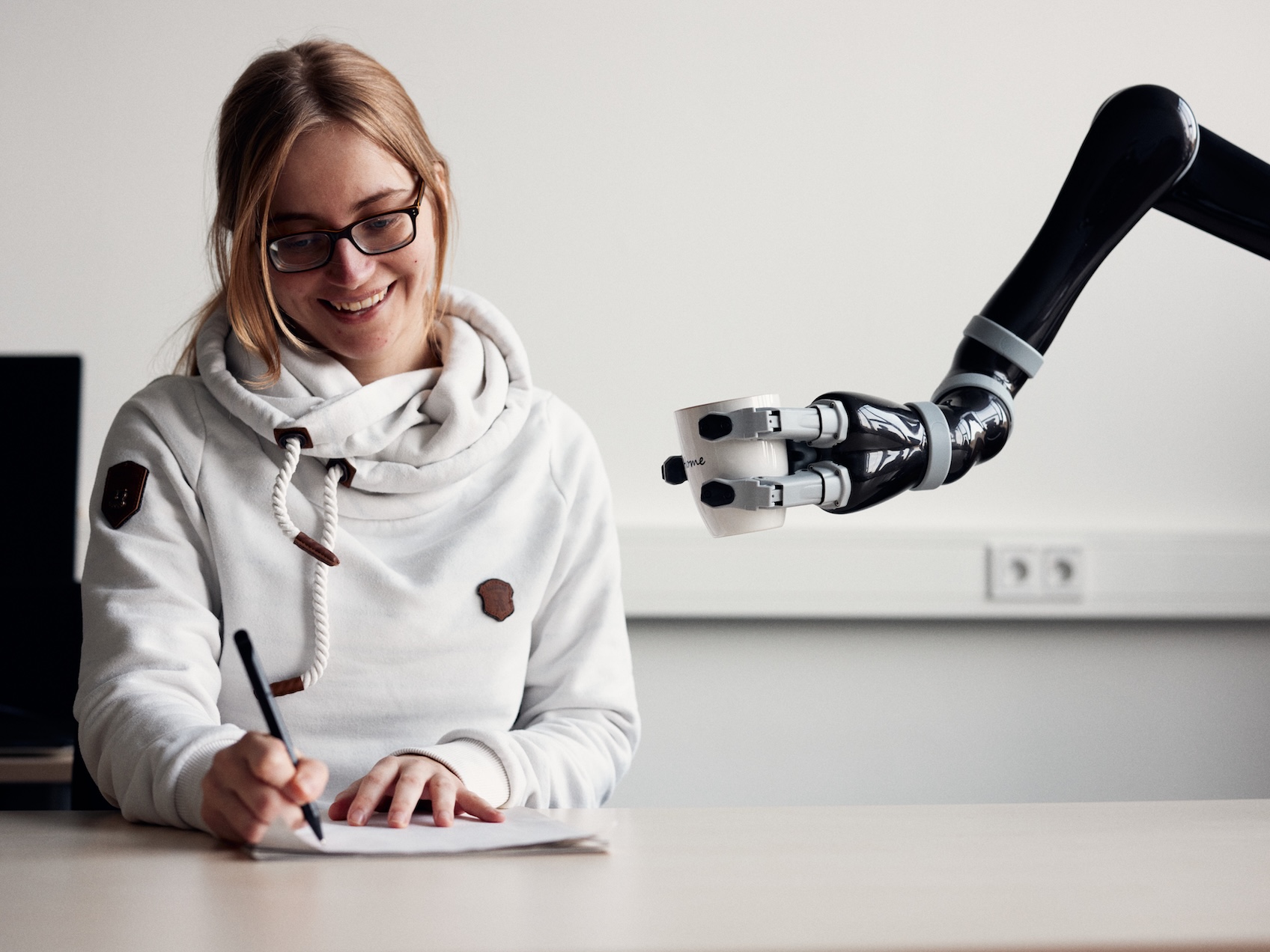
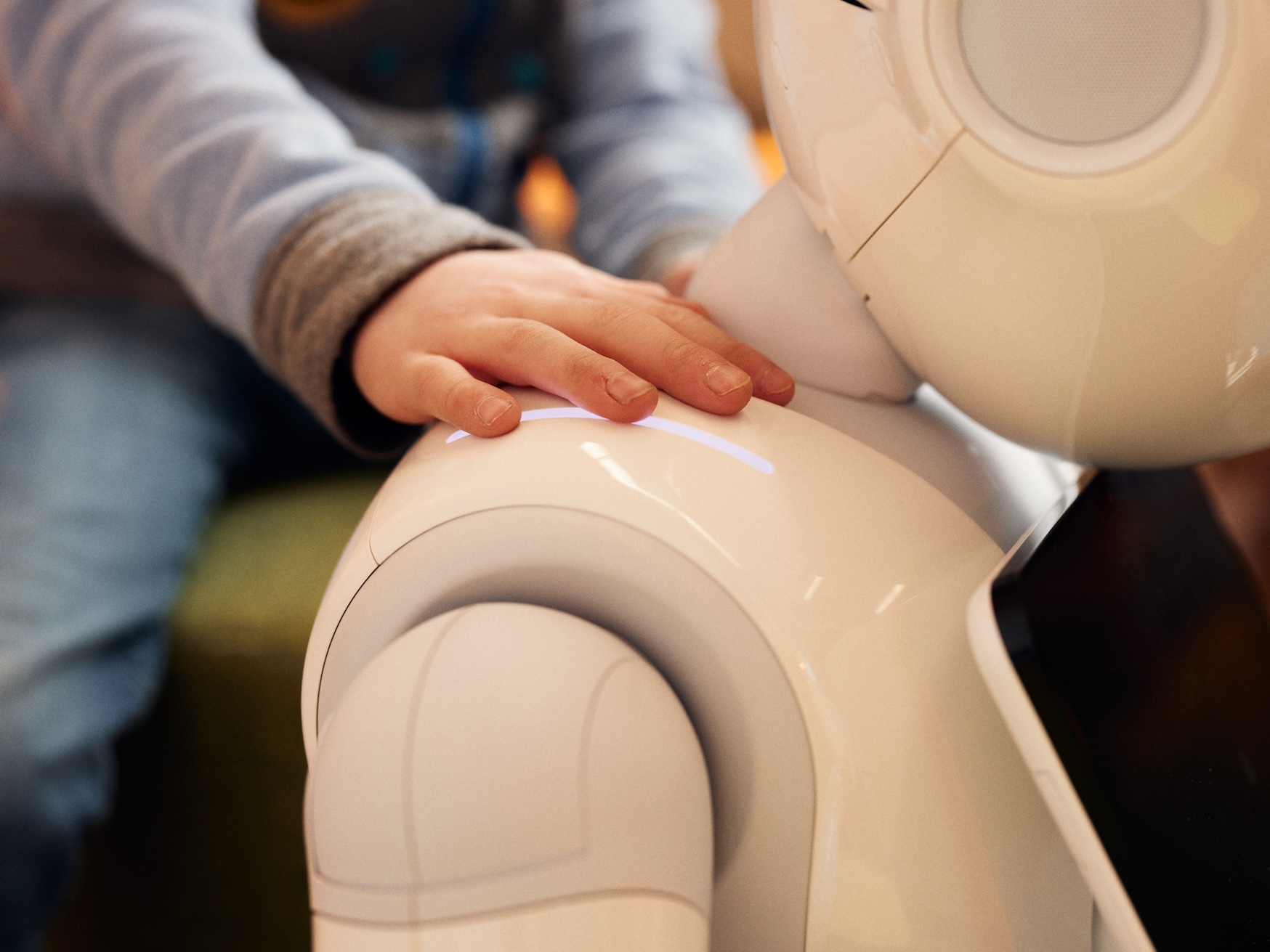
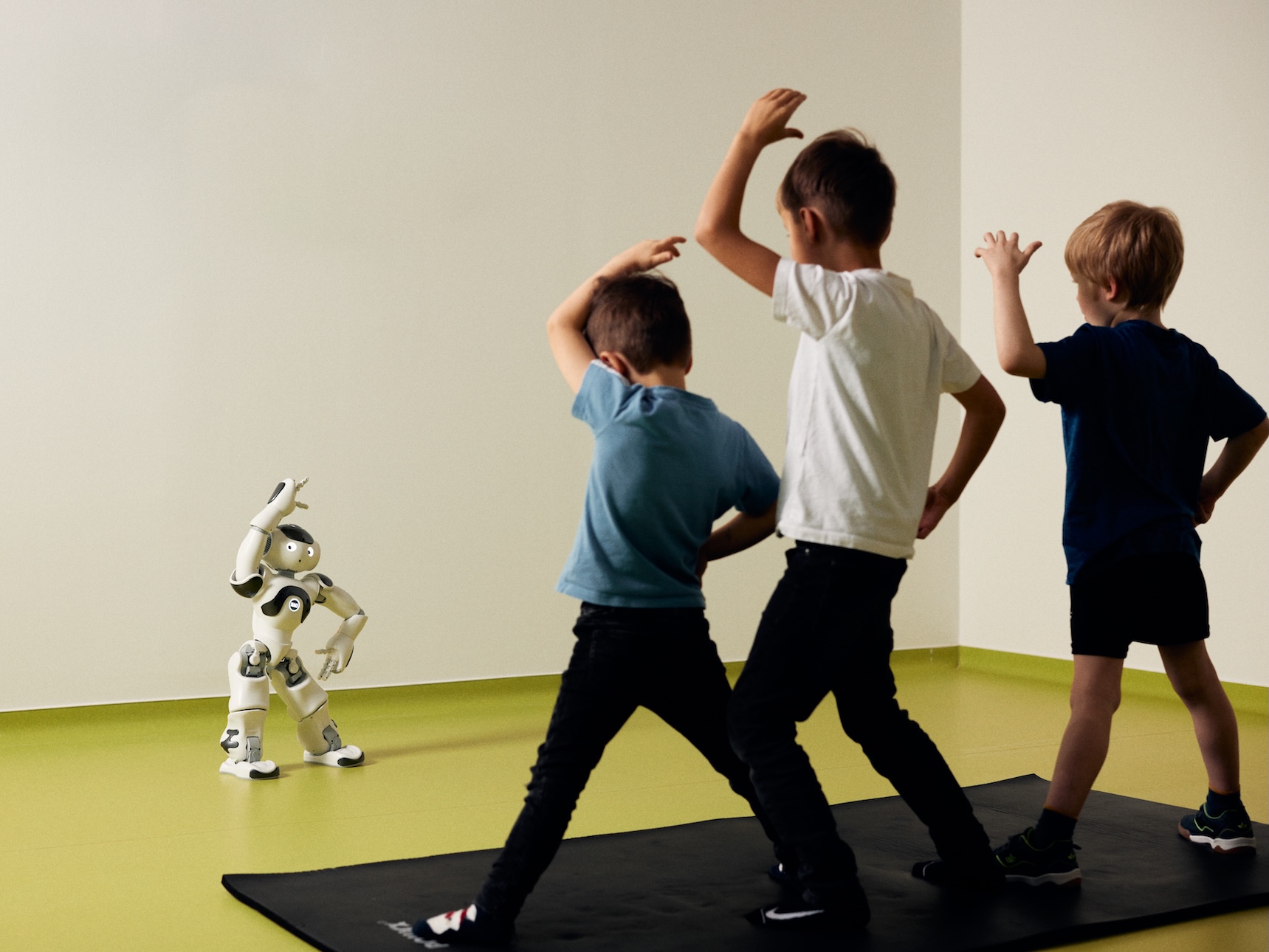
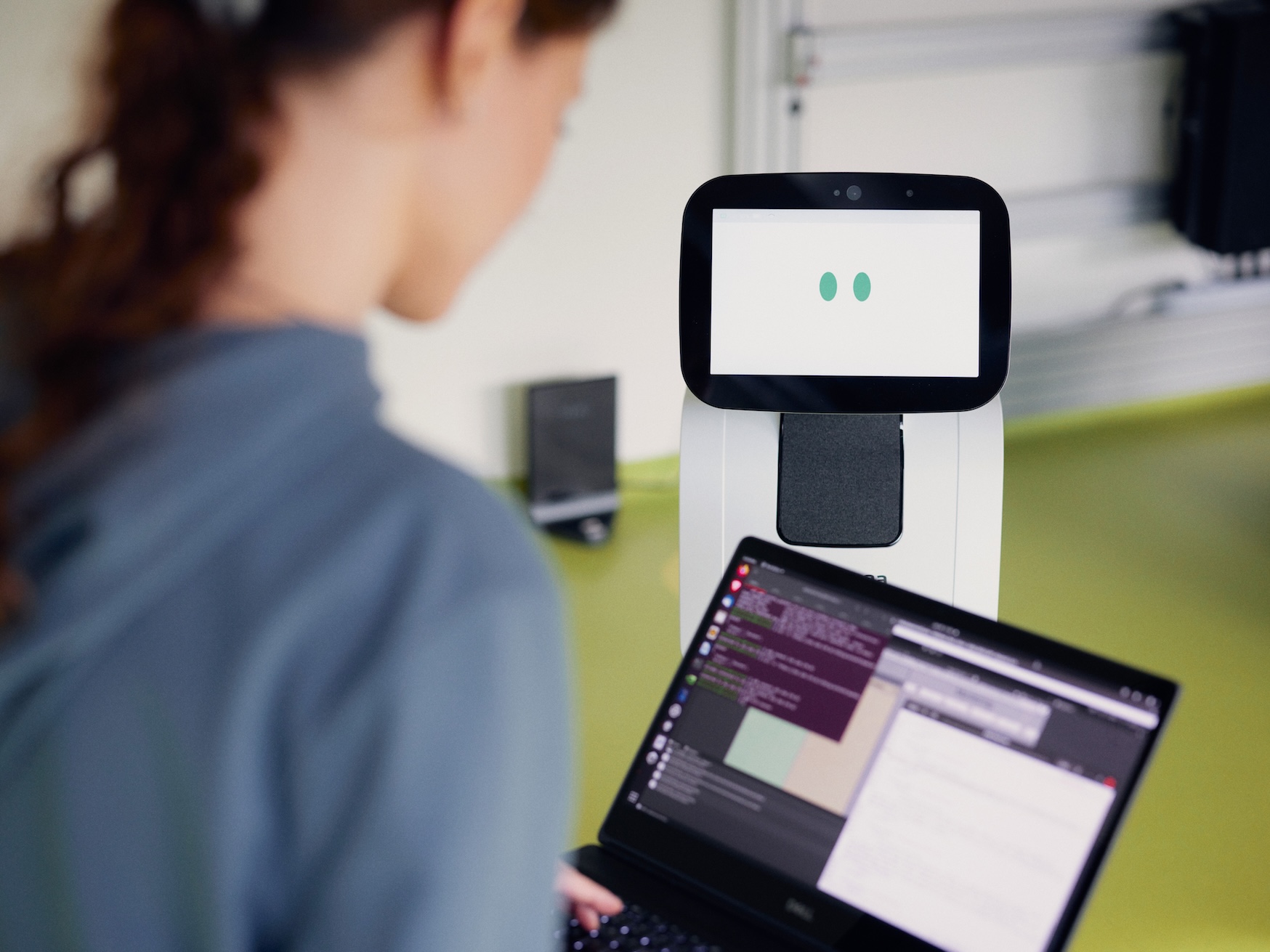
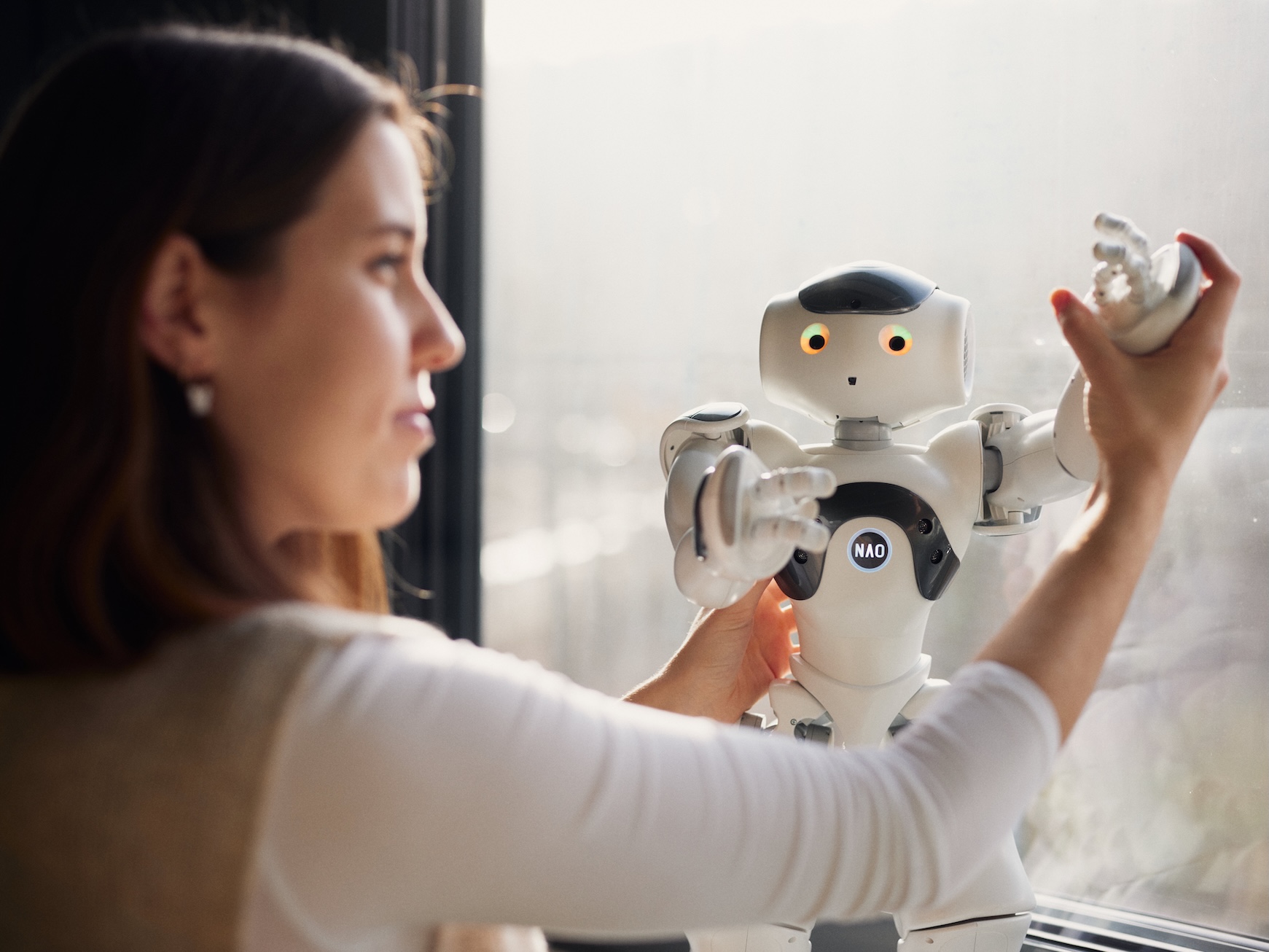
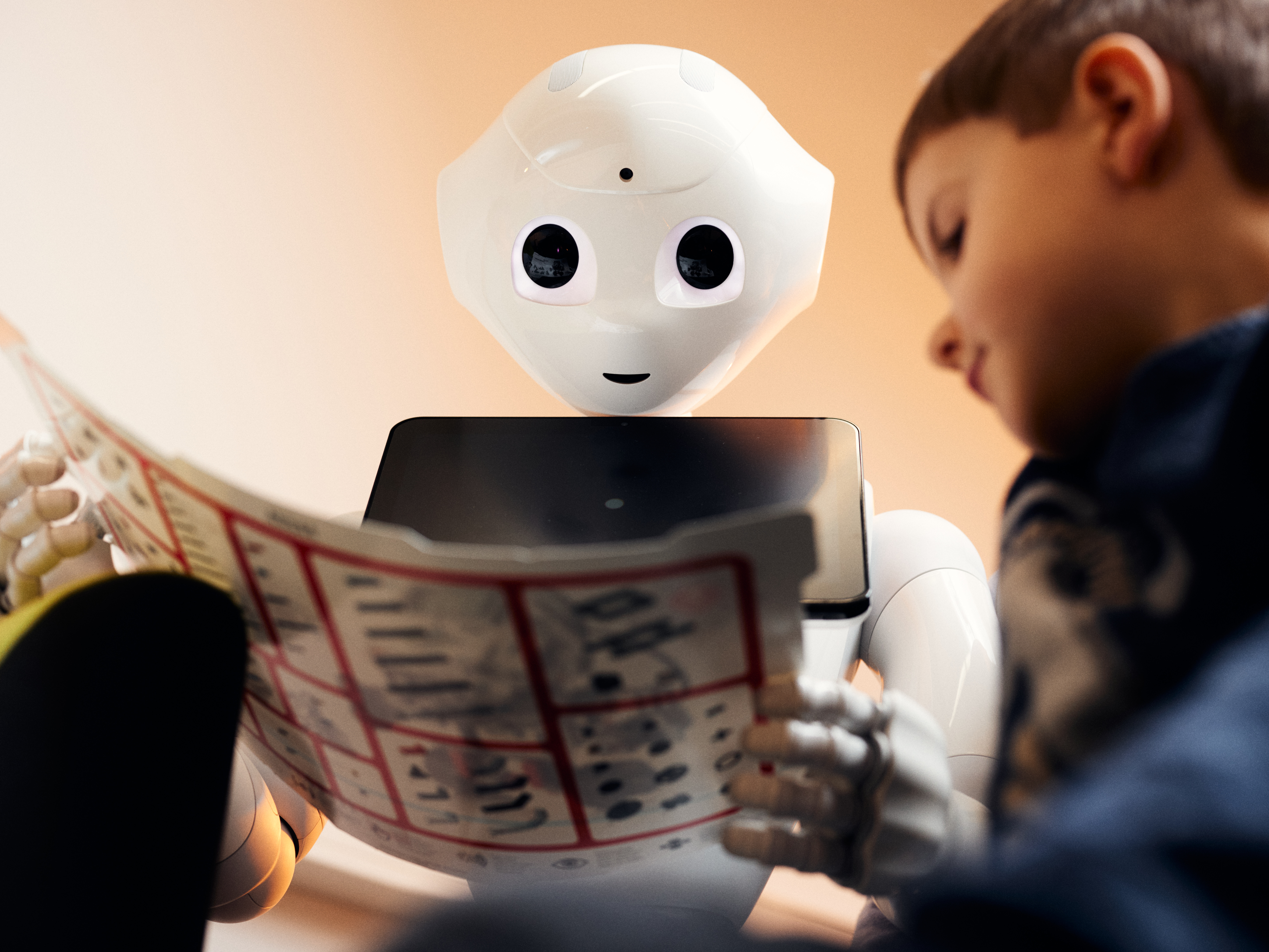
Erforschung der Zusammenarbeit zwischen Mensch und KI durch die Entwicklung intuitiver und adaptiver Agenten in der Pflege

Dieses Projekt untersucht, wie medizinisches Fachpersonal Fachwissen intuitiv mit KI-Systemen teilen kann – ohne umfangreiche technische Kenntnisse zu benötigen. Ziel ist es, KI-gestützte Systeme im Gesundheitswesen zugänglicher, anpassungsfähiger und besser auf die Bedürfnisse des Menschen abgestimmt zu machen.
Zu diesem Zweck wird eine virtuelle Simulationsumgebung entwickelt, die die Arbeitsabläufe einer klinischen Umgebung abstrahiert und nachbildet. In dieser Umgebung können Menschen und KI-Agenten interagieren und zusammenarbeiten. Dieser Ansatz ermöglicht es medizinischem Personal, sicher mit KI-gesteuerten Systemen zu experimentieren, deren Verhalten zu beobachten und deren Lernprozess zu beeinflussen – ohne den realen Klinikbetrieb zu stören. Über professionelle Anwender hinaus ermöglicht die Simulation auch Laien spielerische Einblicke in die Pflegearbeit und die Zusammenarbeit zwischen Mensch und KI.
Das Projekt trägt dazu bei, die Benutzerfreundlichkeit und Vertrauenswürdigkeit von KI-Systemen im Gesundheitswesen zu verbessern. Die Erkenntnisse aus dieser Forschung können auch anderen Bereichen wie der Robotik und interaktiven intelligenten Systemen zugutekommen, in denen eine enge Zusammenarbeit zwischen Mensch und KI unerlässlich ist.
Forschungsfragen
Das Projekt beschäftigt sich besonders mit folgenden Fragen:
- Wie kann medizinisches Fachwissen effektiv und intuitiv in KI-Systeme integriert werden?
- Welche Interaktionsmodalitäten und Machine-Learning-Ansätze unterstützen die Zusammenarbeit zwischen Menschen und adaptiven KI-Agenten am besten?
- Wie können sich KI-Agenten dynamisch an menschliches Fachwissen, Präferenzen und Arbeitsabläufe anpassen?
Das übergeordnete Ziel besteht darin, KI-gestützte Systeme für medizinisches Fachpersonal zugänglicher, anpassungsfähiger und vertrauenswürdiger zu machen. Indem Fachleute aus dem jeweiligen Bereich KI-Agenten direkt mitgestalten und mit trainieren können, fördert die Forschung Systeme, die das tatsächliche klinische Fachwissen und die Erwartungen der Menschen besser widerspiegeln.