Research Groups

Computational Biology
Research topics & objectives
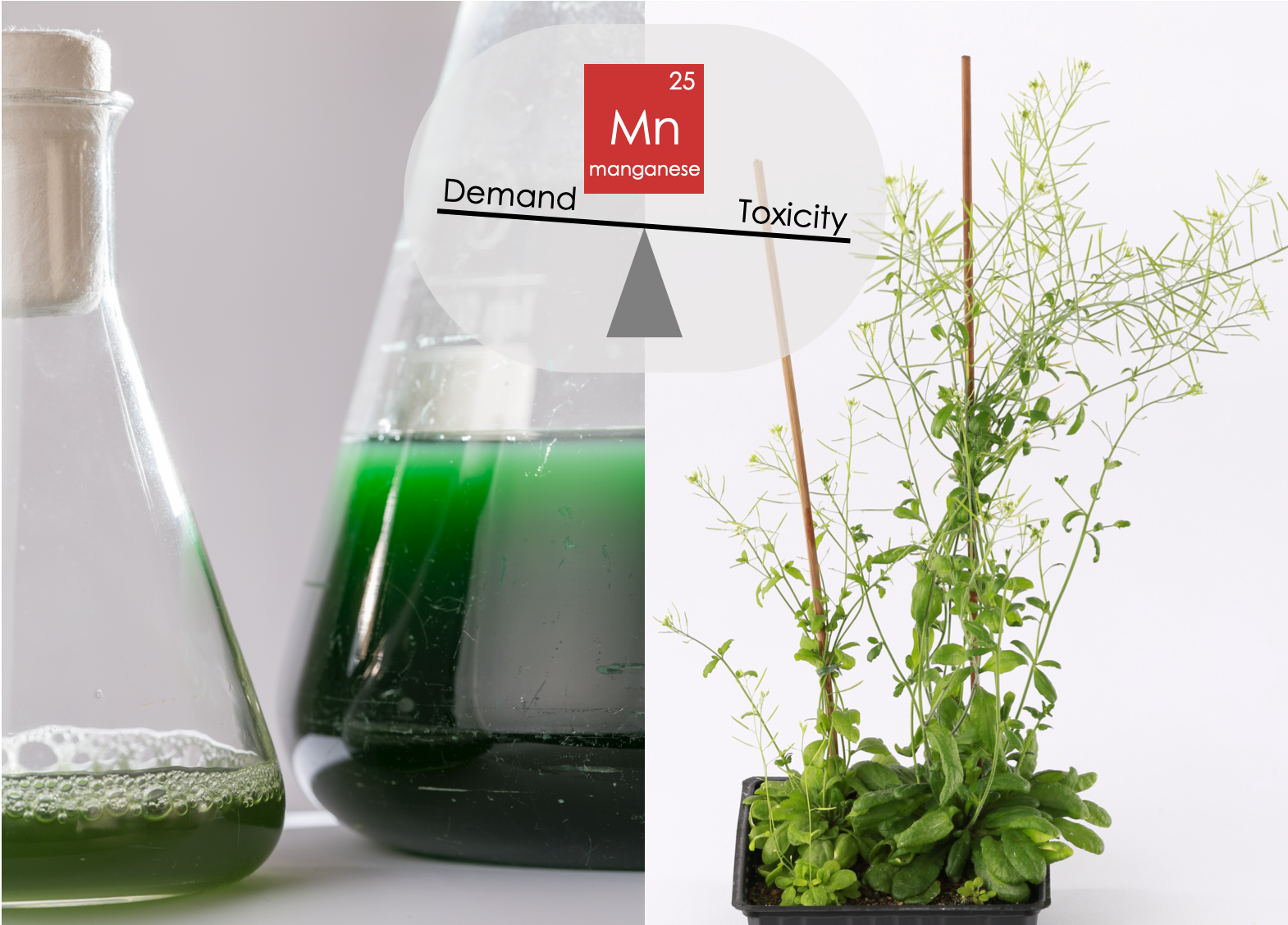
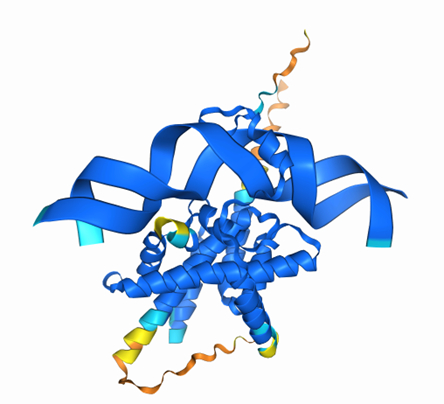
Our group blends techniques of data analysis, modeling, machine learning, and bioinformatics with molecular biology and biochemistry to study photosynthesis, metal homeostasis, and specialized metabolism, with a special focus on transcriptional regulation. Our research often centers on evolutionary hypotheses or ideas at their heart. We collaborate across disciplines and primarily study cyanobacteria and plants.




Teaching
We teach courses in computational biology, data analysis, and basic concepts in biology at the bachelor and master level.
Our goal is to combine theory with practical skills.
Find out more about our teaching.


News
-
Gleiche Pflanzenart, andere Chemie
Pflanzen derselben Art können sich chemisch deutlich unterscheiden und damit auch in Geruch, Geschmack oder sogar ihrer Giftigkeit. Forschende der Universität Bielefeld schlagen klare Kriterien vor, um chemische Unterschiede innerhalb einer Pflanzenart eindeutig zu beschreiben.
-
Nach einem Sommer Forschung im eigenen Garten
Im Citizen-Science-Projekt „Verborgene Vielfalt – Sichtbare Wirkung?“ haben 65 Freiwillige gemeinsam mit Forschenden der Universität Bielefeld rund 1.000 Datensätze gesammelt. Ein Meilenstein für das Projekt.
-
4 Millionen Euro: Universität erhält MRT für Forschung
Die Universität Bielefeld hat einen Magnetresonanztomographen (MRT) für angeschafft. Der MRT-Scanner musste per Kran in seine Räumlichkeiten gehoben werden.
Student Projects
At all times, we offer interested students the opportunity to get to know the working group within the framework of any projects. For this purpose, it can either be chosen between any theoretical work (exclusively computer-based), practical work (exclusively laboratory work) or mixed work shares. If you are interested, please feel free to contact us.
Lab Safety
Check out our links on lab safety for your lab work!