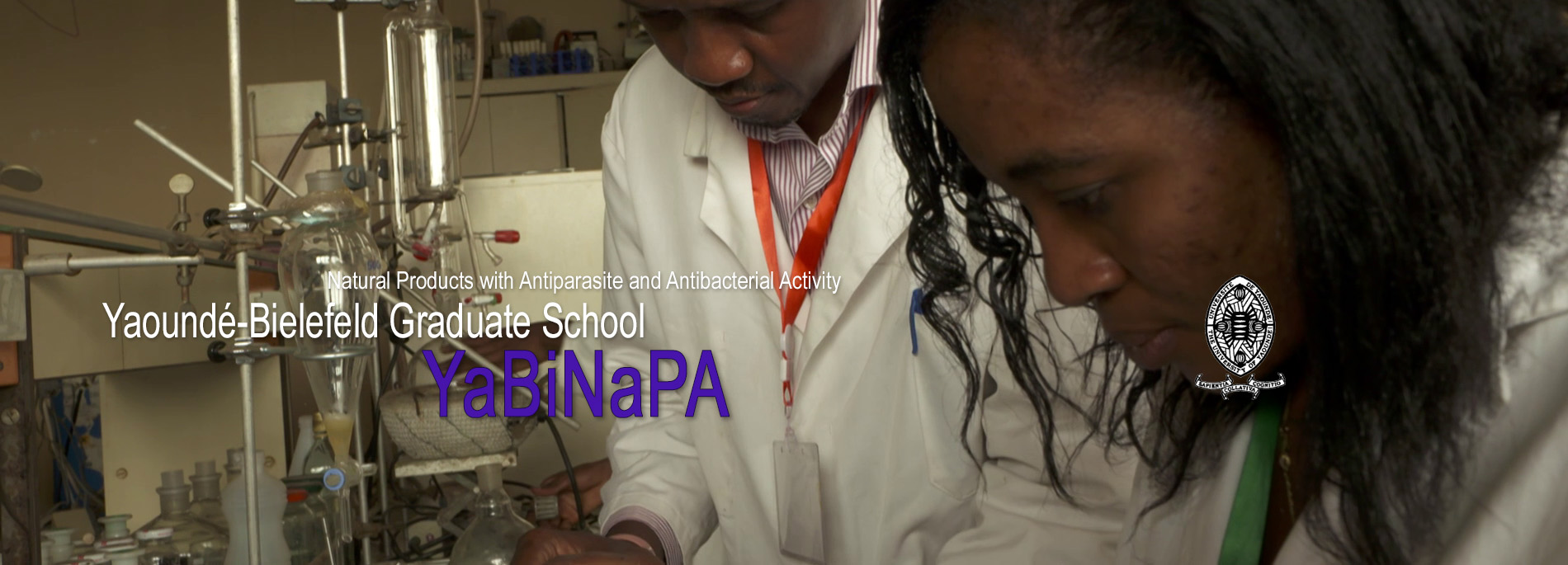
© Jochen Kopp - research_tv

Voices for International Research Cooperation and Development
For many years, programmes supporting scientific cooperation with developing and emerging countries have helped to strengthen research and higher education systems in partner countries. Through initiatives funded by the German Federal Ministry for Economic Cooperation and Development (BMZ), including programmes run by the DAAD and the Georg Forster Programme of the Alexander von Humboldt Foundation, researchers have been supported in building international connections, developing their scientific work, and most importantly strengthening research capacity in their home institutions.
Recent decisions by the BMZ to end significant parts of this funding have put some of the most effective instruments of international academic cooperation at risk. The official explanation refers, among other things, to a limited “direct impact” and a weaker contribution to “network building.” However, this does not match long-term experience from implementation or many evaluations, which show that these programmes have had exactly these kinds of effects.
The main goal of these programmes has been to strengthen research, infrastructure, and human capacity in partner countries. They have helped researchers and institutions to develop their own scientific work, train young scientists locally, and take part in international research on a more equal footing. In many cases, they have also contributed to building lasting research structures that reduce dependence on short-term stays abroad or external access to equipment and resources. In addition, they have strengthened scientific independence and academic self-confidence within partner institutions.
This collection of testimonials aims to make these results visible. Researchers, project partners, alumni, and academic leaders are invited to share their experiences and perspectives on how these programmes have shaped their work and strengthened scientific development in their countries.
We warmly invite everyone who has taken part in or been affected by these programmes to contribute a testimonial. Your experience can help show the value of long-term international research cooperation and support the discussion about its future.
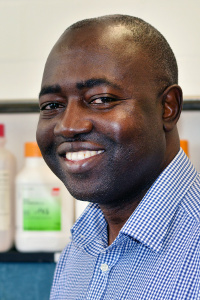 »Lorem ipsum dolor sit amet, consetetur sadipscing elitr, sed diam nonumy eirmod tempor invidunt ut labore et dolore magna aliquyam erat, sed diam voluptua. At vero eos et accusam et justo duo dolores et ea rebum.«Bruno Lenta NdjakouYaBiNaPA Coordinator
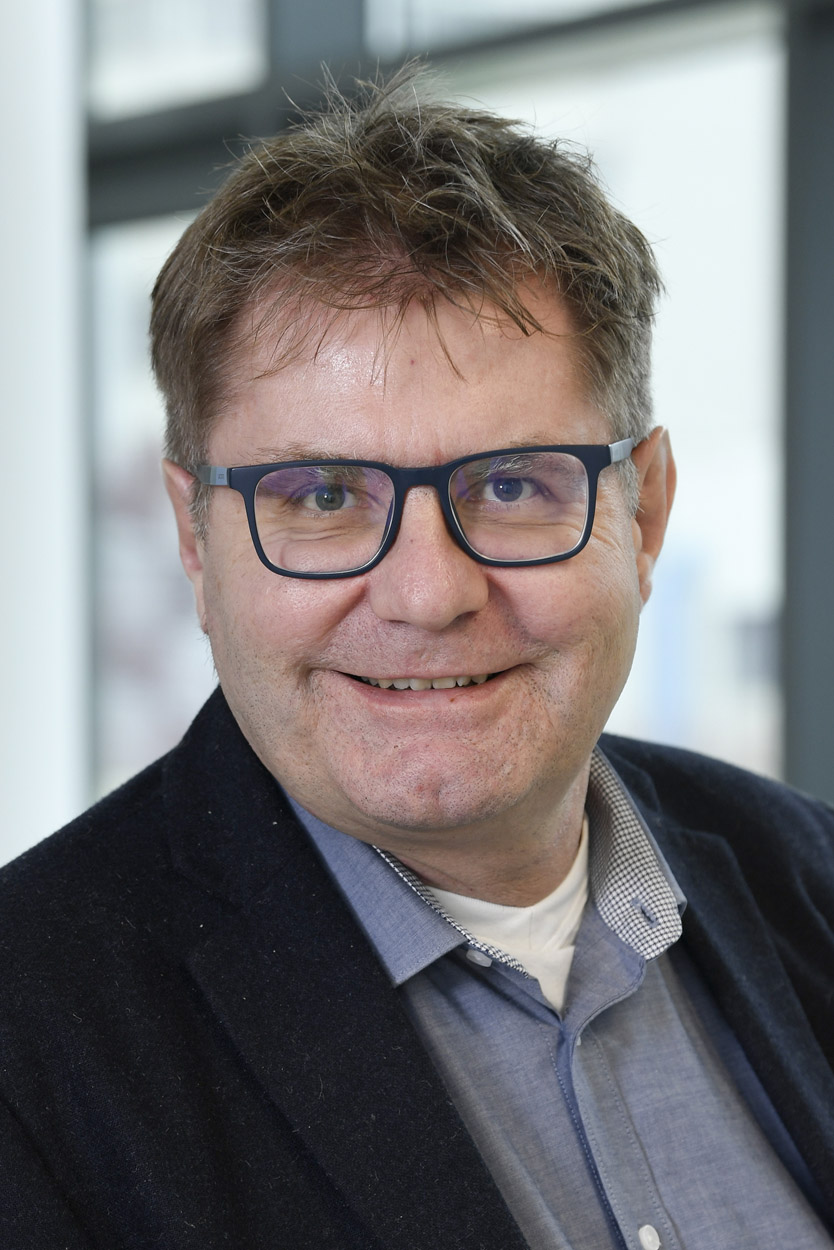 »Lorem ipsum dolor sit amet, consetetur sadipscing elitr, sed diam nonumy eirmod tempor invidunt ut labore et dolore magna aliquyam erat, sed diam voluptua. At vero eos et accusam et justo duo dolores et ea rebum.«Norbert SewaldYaBiNaPA Coordinator