How can enzymes survive above 100 °C-temperatures long off-limits for these fragile proteins?
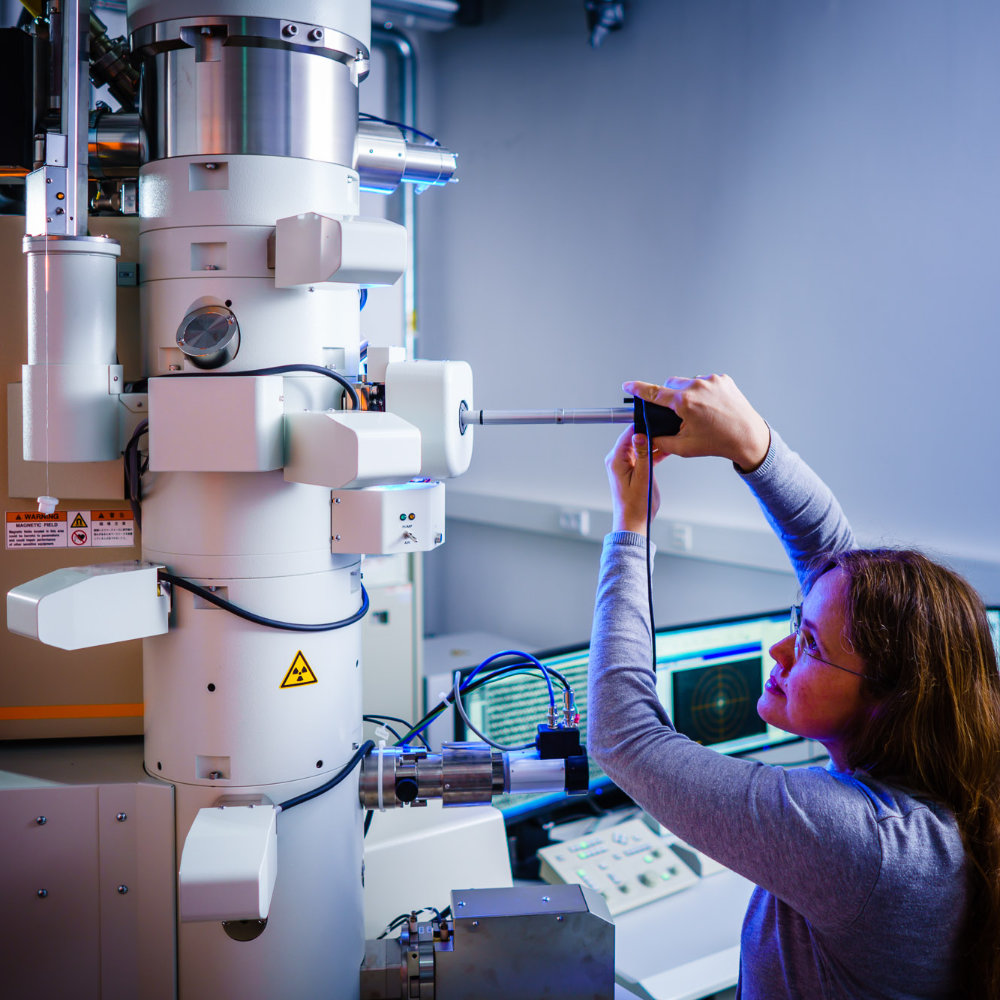
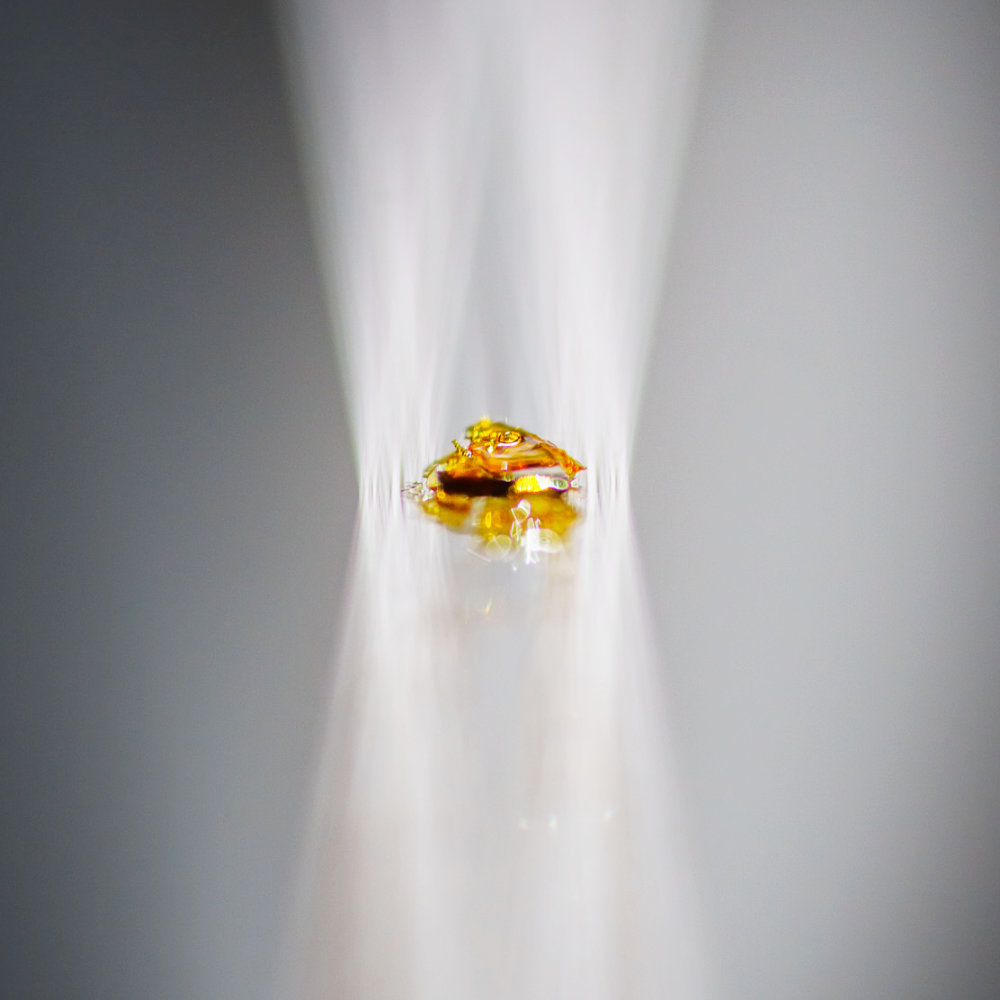
A Bielefeld collaboration between physics and chemistry found the answer: encage the enzyme in a porous polymer. The lipase stayed active across twelve reaction cycles, enabling solvent-free biocatalysis. Our Spintronics and Nanostructures group resolved the material’s non-crystalline architecture by transmission electron microscopy. Published in Angewandte Chemie Novit.
Farell Keiser, a student who has been working in Dmitry Turchinovich’s research group for four years as part of the ‘Studieren ab 15’ programme, recently published a paper in ‘Physical Review B’ as first author. This paper was selected as an Editor’s Suggestion; we have previously reported on his Best Student Paper Award for a presentation on the findings. To mark the publication, he has now been interviewed by ‘Der Spiegel’ magazine – a remarkable public accolade for our faculty.